

The Big Three – Good Protein, Carbs and Fats
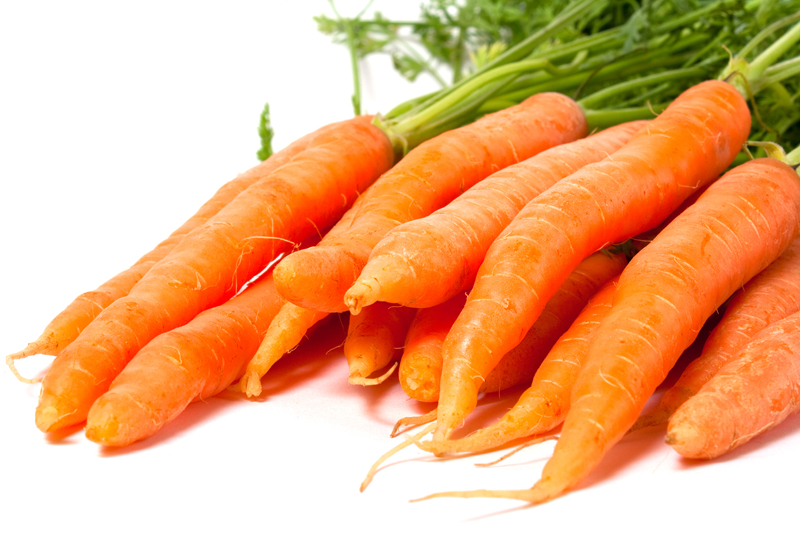
There are two major types of nutrients – micronutrients and macronutrients.
What are macronutrients vs micronutrients? Vitamins and minerals needed in minute amounts are called micronutrients. Good protein foods, good carbohydrates and good fats are needed in much larger amounts, so they’re called macronutrients.
Good quality protein, good carbohydrates and good fats along with essential vitamins, minerals and water help to provide your body with heat and energy, support growth and repair of body tissue and assist in the regulation of thousands of different body processes.
That’s why they’re all so important for maintaining optimum health and fitness.
Good Protein Foods
After water, protein is the most common element of the human body.
High protein foods like meat, fish, poultry, eggs, dairy, grains, beans, nuts and seeds, from the best protein sources, are the basic building blocks of nutrition. Good protein builds and repairs bones, muscles, skin, hair, nails, blood and internal organs, such as the brain and heart.
You need about one gram of complete protein for every two pounds of body weight. For example, a person who weighs 140 pounds should get about 70 grams of protein every day.
Although most people in the U.S. get enough protein in their daily diet, their protein is usually not from The Best Protein Sources. For example, we eat a lot of red meat; and a diet rich in red meat means you get far too much fat, particularly unhealthy saturated fat.
Good Carbohydrates
Good quality carbohydrates are absolutely necessary as the primary source of energy needed for body function and exertion and for brain function and fat metabolism.
Basically there are two type of carbohydrates, simple and complex, and most people are eating far too much of the wrong kind of “bad”, highly processed simple carbohydrates.
Bad simple carbohydrates found in table sugar, candy, cake and other sweets and almost all canned and processed foods should be avoided as much as possible. They are just “empty calories,” providing little to no nutritional value and contribute greatly to obesity and tooth decay.
But simple carbohydrates are also found in dairy and fruit. These are good sources of simple carb nutrition since they also contain fiber, vitamins and important minerals, like calcium.
The Complex Carbohydrate List, including whole grain breads and pasta, brown rice, oatmeal and vegetables, such as broccoli, kidney beans and chick peas, are much healthier to eat because they take longer to digest, as well as provide essential vitamins, minerals and fiber.
Good Quality Fats
Good fats are not only a highly concentrated source of energy, the essential fatty acids and the fat-soluble vitamins A, D, E and K, they also add flavor and texture to our foods.
However, trans-fats in any amount or eating too many fatty foods, particularly red meats and whole fat dairy products that are high in saturated fats, can increase your risk of obesity, heart disease and cancer of the breast, colon and prostate.
What’s the ideal combination of the big three macronutrients? Respected nutritional authorities recommend a diet of about 15% good protein content, 20% good fat and 65% good carbs.
The protein foods in the American diet should include more lean meats, fish, chicken and low fat dairy. On the other hand, we should eat much less red meat and full-fat dairy products.
Carbohydrate foods should include far fewer sweets and processed foods and more whole grains, beans, fresh fruits and vegetables. To help you choose go to my Good Carbs List.
Saturated fats should be kept below 7% of total calories. Check out my list of Good Fat foods.
And to help reduce your risk of heart disease, diabetes, stroke and certain cancers, health experts also recommend people get their high protein foods from seafood, rich in omega 3 fish oil (salmon, tuna, mackerel, sardines and herring) at least three top five times a week.
To help you make the best protein choices go to my great list of Healthy High Protein Foods.
And be sure to checkout my free Natural Health Newsletter.
Click here for the Site Map.
Articles you might also enjoy:
The Health Benefits of Extra Virgin Olive Oil
Protein Foods - Your Body's Building Blocks
Fat Foods - What Are Good Fats vs. Bad Fats?
Protein Deficiency and Lack of Optimum Protein
To subscribe to the Natural Health Newsletter, just enter your email address in the subscribe box at the bottom of this page.
© Copyright by Moss Greene. All Rights Reserved.
Note: The information contained on this website is not intended to be prescriptive. Any attempt to diagnose or treat an illness should come under the direction of a physician who is familiar with nutritional therapy.
What are macronutrients vs micronutrients? Vitamins and minerals needed in minute amounts are called micronutrients. Good protein foods, good carbohydrates and good fats are needed in much larger amounts, so they’re called macronutrients.
Good quality protein, good carbohydrates and good fats along with essential vitamins, minerals and water help to provide your body with heat and energy, support growth and repair of body tissue and assist in the regulation of thousands of different body processes.
That’s why they’re all so important for maintaining optimum health and fitness.
Good Protein Foods
After water, protein is the most common element of the human body.
High protein foods like meat, fish, poultry, eggs, dairy, grains, beans, nuts and seeds, from the best protein sources, are the basic building blocks of nutrition. Good protein builds and repairs bones, muscles, skin, hair, nails, blood and internal organs, such as the brain and heart.
You need about one gram of complete protein for every two pounds of body weight. For example, a person who weighs 140 pounds should get about 70 grams of protein every day.
Although most people in the U.S. get enough protein in their daily diet, their protein is usually not from The Best Protein Sources. For example, we eat a lot of red meat; and a diet rich in red meat means you get far too much fat, particularly unhealthy saturated fat.
Good Carbohydrates
Good quality carbohydrates are absolutely necessary as the primary source of energy needed for body function and exertion and for brain function and fat metabolism.
Basically there are two type of carbohydrates, simple and complex, and most people are eating far too much of the wrong kind of “bad”, highly processed simple carbohydrates.
Bad simple carbohydrates found in table sugar, candy, cake and other sweets and almost all canned and processed foods should be avoided as much as possible. They are just “empty calories,” providing little to no nutritional value and contribute greatly to obesity and tooth decay.
But simple carbohydrates are also found in dairy and fruit. These are good sources of simple carb nutrition since they also contain fiber, vitamins and important minerals, like calcium.
The Complex Carbohydrate List, including whole grain breads and pasta, brown rice, oatmeal and vegetables, such as broccoli, kidney beans and chick peas, are much healthier to eat because they take longer to digest, as well as provide essential vitamins, minerals and fiber.
Good Quality Fats
Good fats are not only a highly concentrated source of energy, the essential fatty acids and the fat-soluble vitamins A, D, E and K, they also add flavor and texture to our foods.
However, trans-fats in any amount or eating too many fatty foods, particularly red meats and whole fat dairy products that are high in saturated fats, can increase your risk of obesity, heart disease and cancer of the breast, colon and prostate.
What’s the ideal combination of the big three macronutrients? Respected nutritional authorities recommend a diet of about 15% good protein content, 20% good fat and 65% good carbs.
The protein foods in the American diet should include more lean meats, fish, chicken and low fat dairy. On the other hand, we should eat much less red meat and full-fat dairy products.
Carbohydrate foods should include far fewer sweets and processed foods and more whole grains, beans, fresh fruits and vegetables. To help you choose go to my Good Carbs List.
Saturated fats should be kept below 7% of total calories. Check out my list of Good Fat foods.
And to help reduce your risk of heart disease, diabetes, stroke and certain cancers, health experts also recommend people get their high protein foods from seafood, rich in omega 3 fish oil (salmon, tuna, mackerel, sardines and herring) at least three top five times a week.
To help you make the best protein choices go to my great list of Healthy High Protein Foods.
And be sure to checkout my free Natural Health Newsletter.
Click here for the Site Map.
Articles you might also enjoy:
The Health Benefits of Extra Virgin Olive Oil
Protein Foods - Your Body's Building Blocks
Fat Foods - What Are Good Fats vs. Bad Fats?
Protein Deficiency and Lack of Optimum Protein
To subscribe to the Natural Health Newsletter, just enter your email address in the subscribe box at the bottom of this page.
© Copyright by Moss Greene. All Rights Reserved.
Note: The information contained on this website is not intended to be prescriptive. Any attempt to diagnose or treat an illness should come under the direction of a physician who is familiar with nutritional therapy.

Editor's Picks Articles
Top Ten Articles
Previous Features
Site Map
Content copyright © 2023 by Moss Greene. All rights reserved.
This content was written by Moss Greene. If you wish to use this content in any manner, you need written permission. Contact Moss Greene for details.
