

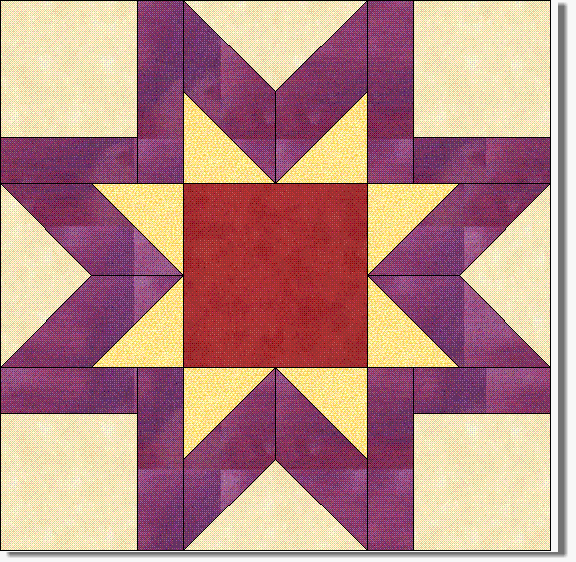
 Virginia - 12" Quilt Block
 The next block in our State Quilt Block Series is Virginia This block is quite simple, and would look great used in a 5 across, 7 down format on a quilt.
To print out the templates for E & Er templates Click here.
To print out the “Set in Seams” PDF Click here
Here's a black and white map for easy identification of templates and their location:
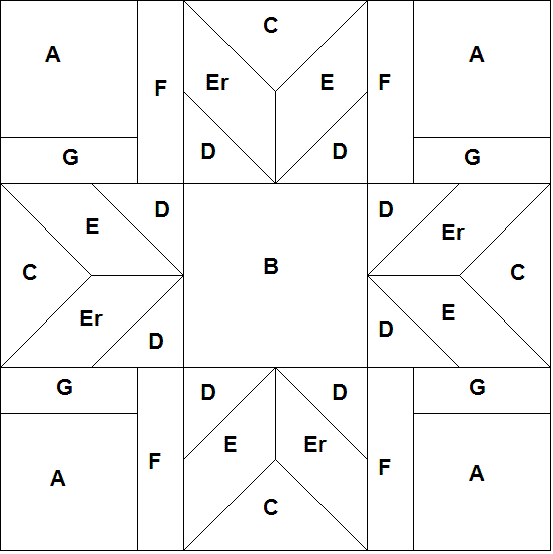
Cutting Instructions

Light Fabric (Crème):

Medium Fabric (Yellow):

Medium Dark Fabric (Red):

Dark Fabric (Violet):
Sewing Instructions:
Step 1: Cut out all of the pieces required according to the template map above and lay them out on your work surface.
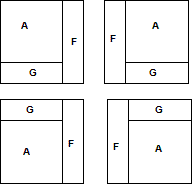
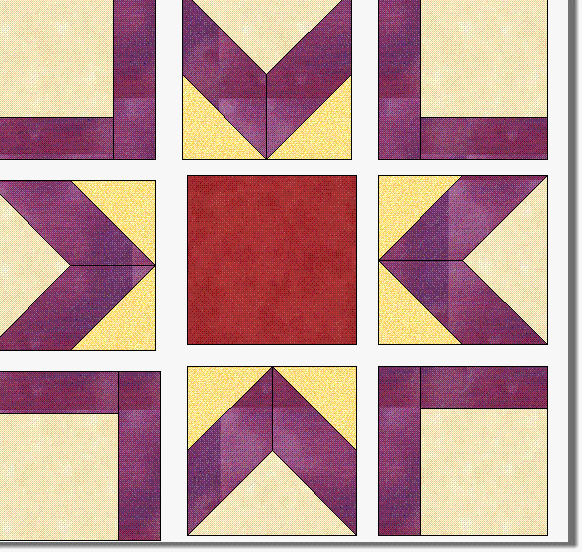
Step 2: Make four corner units. Take four A templates, four G templates and sew the G templates to one side of the A templates. Then take two F templates and sew to the right side of the two AG units (see diagram). Then take two F templates and sew to the left side of two AG units (see diagram)
Step 3: Make four inner units. Take four E templates and four ER templates and sew them together on the short side (see diagram)
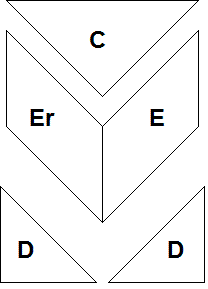
Step 4: Take eight D templates and sew to each side of the EER unit. Then take four C templates and sew into the top sections of the EERDD unit, using Set In Seams technique.
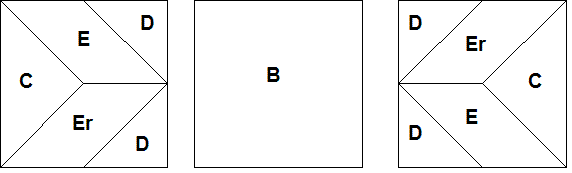
Step 5:Sewing top row together. Take two corner units and sew them to one of the EERDDC units (see diagram)
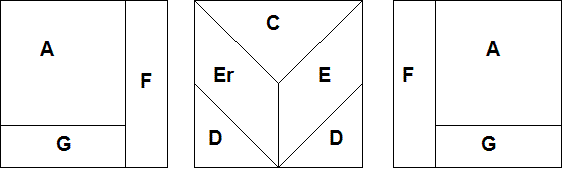
Step 6:Sewing middle row together. Take two inner units and sew them to either side of the B template (see diagram)
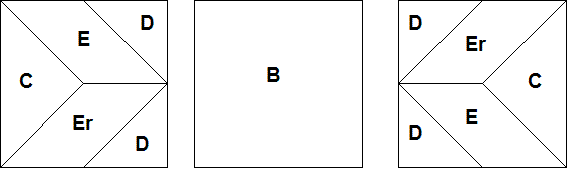
Step 7:Sewing bottom row together. Take two corner units and sew them to one of the EERDDC units (see diagram)
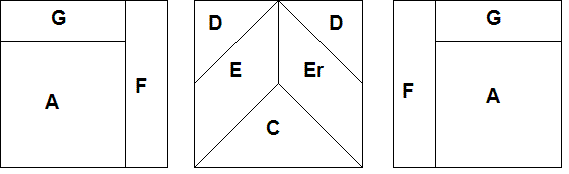
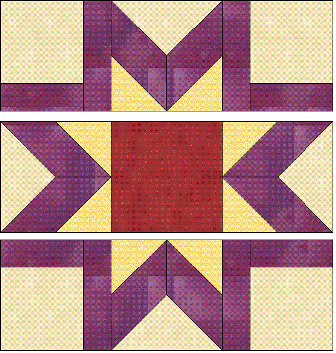
Your block should measure 12-1/2" on all sides. It will measure 12" finished size when it is sewn into a quilt.
