Quilt Blocks of the States - Virginia
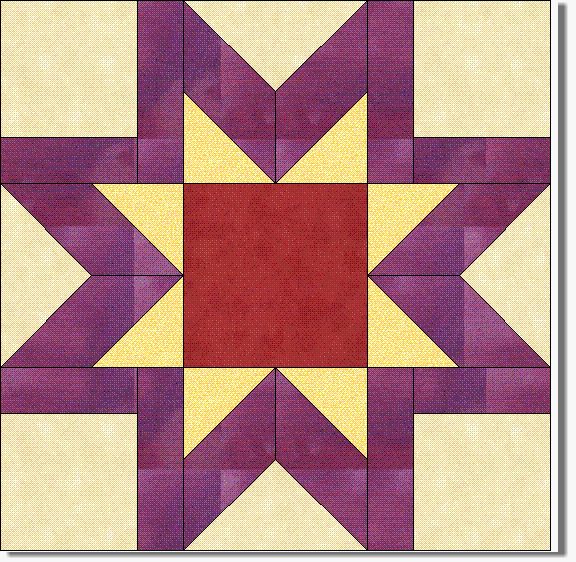 Virginia - 12" Quilt Block
 The next block in our State Quilt Block Series is Virginia This block is quite simple, and would look great used in a 5 across, 7 down format on a quilt.
To print out the templates for E & Er templates Click here.
To print out the “Set in Seams” PDF Click here
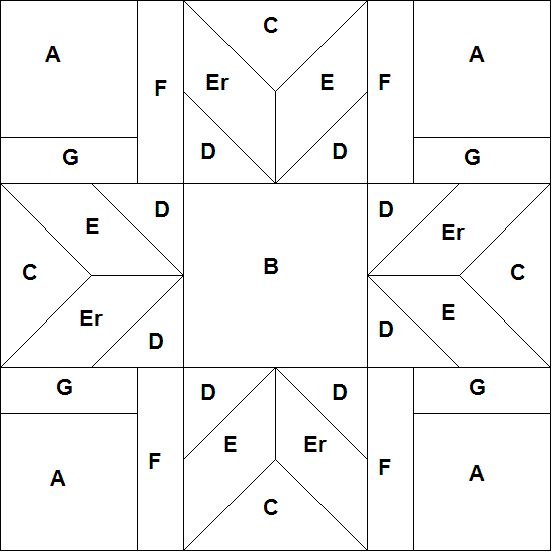
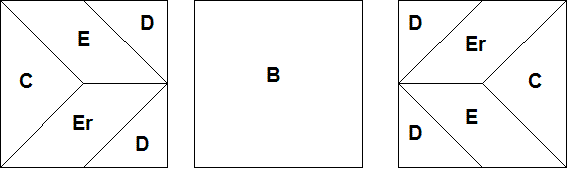
Here's a black and white map for easy identification of templates and their location:
Cutting Instructions

Light Fabric (Crème):

Medium Fabric (Yellow):

Medium Dark Fabric (Red):

Dark Fabric (Violet):
Sewing Instructions:
Step 1: Cut out all of the pieces required according to the template map above and lay them out on your work surface.
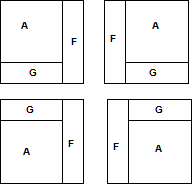
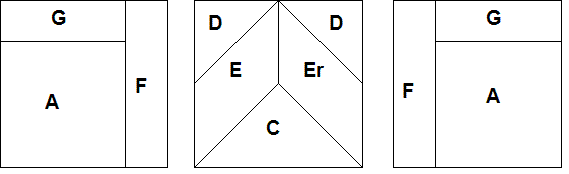
Step 2: Make four corner units. Take four A templates, four G templates and sew the G templates to one side of the A templates. Then take two F templates and sew to the right side of the two AG units (see diagram). Then take two F templates and sew to the left side of two AG units (see diagram)
Step 3: Make four inner units. Take four E templates and four ER templates and sew them together on the short side (see diagram)
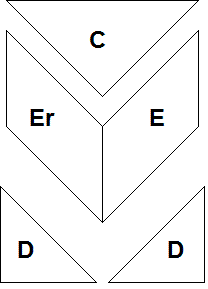
Step 4: Take eight D templates and sew to each side of the EER unit. Then take four C templates and sew into the top sections of the EERDD unit, using Set In Seams technique.
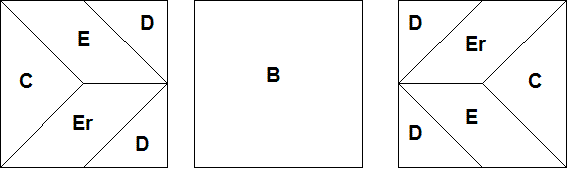
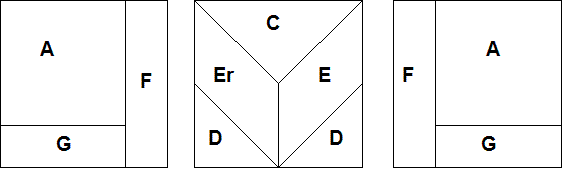
Step 5:Sewing top row together. Take two corner units and sew them to one of the EERDDC units (see diagram)
Step 6:Sewing middle row together. Take two inner units and sew them to either side of the B template (see diagram)
Step 7:Sewing bottom row together. Take two corner units and sew them to one of the EERDDC units (see diagram)
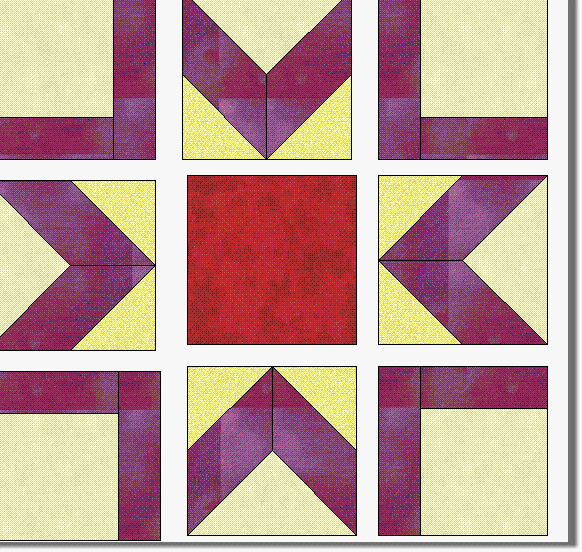
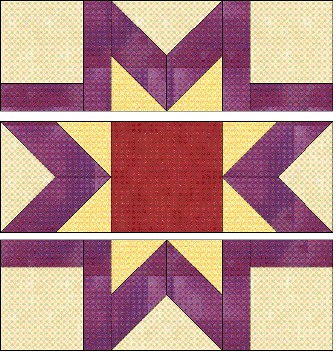
Your block should measure 12-1/2" on all sides. It will measure 12" finished size when it is sewn into a quilt.
You Should Also Read:
Quilt Blocks of the States Series

Related Articles
Editor's Picks Articles
Top Ten Articles
Previous Features
Site Map
Content copyright © 2023 by Judie Bellingham. All rights reserved.
This content was written by Judie Bellingham. If you wish to use this content in any manner, you need written permission. Contact Judie Bellingham for details.