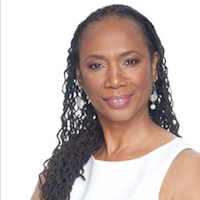
I know that a lot of you are familiar with Color Analysis as it applies to the right color to enhance your appearance and give you your best look in clothing choices. The same rules apply to the makeup colors you wear.
You've got a lot of options when it comes to cosmetics: lipstick, eye shadow, mascara and yes even colorful lashes. But with all the options, do you always make the best choice to enhance your beauty?
Who Does The Color Analysis for Cosmetics?
An Esthetician or Skin Care Therapist as we're often called will be the right professional to assist you with your color analysis. Estheticians not only take care of your skin and skin conditions, but a lot of them are trained and practicing makeup artist.
Each of you has unique skin, so through color analysis, you'll learn what colors work best with your hair color, what makeup shades and colors will work for you in general with cosmetics. I's like you'll be getting a custom fit for your makeup.
In cosmetics the color analysis system is a 12 season system. It builds upon the original four seasons and takes into account neutral skin tones with smaller amounts of warm or cool tones present in their skin. If you're fortunate enough to visit a spa or salon that offers this service, you’ll enjoy learning about color analysis and cosmetic.
Salons that offer cosmetic color analysis often sell makeup. This makes it easy for you to get the exact color match in a foundation that will work for you. Not only will your color information be on file but your color palette that was created for you will also be on file for point of reference.
For you to even consider cosmetic color analysis says that you are open to new things and you're image conscious.
What's the Process for Cosmetic Color analysis?
No expensive machines involved. You're draped with a smock and cap, placed in front of a mirror with full spectrum lighting. The analysis takes about 45 minutes and I'd strongly recommend that you take a before and after of yourself. The transformation should be amazing. Who doesn't like the idea of a makeover?
Don't be afraid to have some input into the session. I remember having a session and asking for a natural look for makeup. Our definition of "natural" wasn't the same. I was thinking more minimalist (next to none) and she was thinking light coverage, (looking made up but not heavy).
Sound like something you'd like to try?
By all means bring a new experience into your life. Give cosmetic color analysis a try and add new life to your color expressions in makeup.
As Always,
Dedicated To Your Beauty
Juliette's Website
http://www.nyrajuskincare.com

Printer Friendly Version
