

Jade Plant
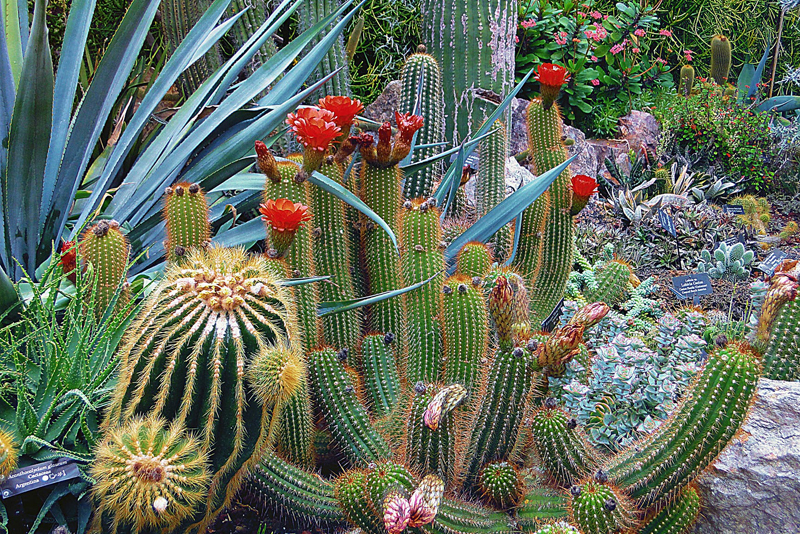
 Jade plant, also known as friendship tree, money plant and lucky plant is so common in southern California that it is often taken for granted. It grows outdoors with no care and spreads so easily it can almost be called a weed. Jade has become a popular succulent for growing indoors, and is used as a house plant all over the world. Because it is so easy to grow, it is the perfect plant for someone who has problems growing more fussy plants.
Jade’s proper name is Crassula ovata. Crassula means thick or fat in Latin. This refers to the thick stems and leaves where the plant stores water. Ovata means egg-shaped (oval) and describes the shape of the leaves. Jade plant is native to South Africa and is adapted to growing in dry conditions.
Like other succulents, jade plants in containers should be grown in a fast draining soil. You could purchase a cacti/succulent mix and add extra perlite or pumice, or you could mix your own. Be sure your container has a hole at the bottom. Outdoors, jade plant is not so fussy. I have some growing along the side of my house in the native soil that has not been amended in any way.
Jade plants need sun. In bright light the edges of the leaves will be tinged with red. In the shade, where mine grow, the leaves are all green. Variegated plants are also available. Water the jade plant only when dry, and reduce water in the winter when the plant is dormant. Fertilizer should also be withheld in winter. This is the season when the plant produces tiny flower clusters on the end of stalks. Flowers are white or light pink.
Jade plant is easy to propagate from stem or leaf cuttings. You can break off a piece and stick it in soil to get a new plant. Judging from the locations where new jade plants spring up around my house, I’d have to say the seeds germinate freely, too.
If you want to try your hand at bonsai, jade plant makes a good candidate. You can start a new plant from a cutting from a plant you already own. With careful trimming, you can coax the plant into the shape you want. The main stem will thicken with time and resemble a tree trunk. Keeping the plant in a small container will help control its size. Outdoors, a jade plant can grow up to four feet tall.
Few pests bother jade plants. Mealybugs can be dealt with using rubbing alcohol on the end of a cotton swab. Red spider mites can be dealt with similarly.
This site needs an editor - click to learn more!

Related Articles
Editor's Picks Articles
Top Ten Articles
Previous Features
Site Map
Content copyright © 2023 by Linda Genis. All rights reserved.
This content was written by Linda Genis. If you wish to use this content in any manner, you need written permission. Contact
BellaOnline Administration
for details.
