Oreo Mud Pie Recipe

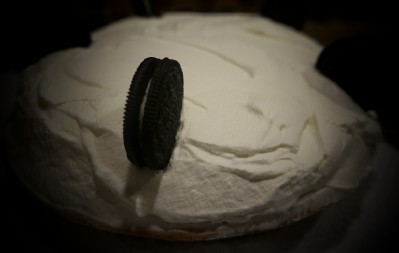
Mud pie is one of my favorite desserts. While this pie is not difficult to make, there are several steps. It is important to refreeze the pie in between steps since your ice cream will begin to melt. Mud pie is a delicious option to celebrate a birthday or other special occasion. It is a great way to enjoy your ice cream. This mud pie is even better since the recipe also incorporates Oreo cookies. Each layer of this pie is filled with chocolate and coffee. Between each layer of ice cream there is a chocolate layer similar to the topping Magic Shell. Magic Shell can easily be made at home with coconut oil and melted chocolate. I made this mud pie with a prepared Oreo cookie crust. However, you can easily make your own pie crust with Oreo cookie crumbs and butter.
Oreo Mud Pie Recipe
Ingredients:
Oreo cookie pie crust
10 Oreo cookies, crushed
5 cups chocolate ice cream, softened
5 cups coffee ice cream, softened
1 1/2 cups chocolate, chopped
2 tablespoons coconut oil
1 1/2 cups cream
1/4 cup sugar
1 teaspoon vanilla
Directions:
1. Spread the 5 cups of chocolate ice cream into the pie crust.
2. Freeze for an hour.
3. Melt the chopped chocolate and the coconut oil together, stir to combine. This can be done either in the microwave or on the stovetop in a double boiler.
4. Add the crushed Oreos to the chocolate mixture.
5. Spread half of the chocolate over the ice cream, set aside the rest for later.
6. Freeze for an hour.
7. Take out the pie and spread the coffee ice cream over the chocolate layer.
8. Freeze for an hour.
9. Reheat the chocolate mixture until melted.
10. Spread over the pie.
11. Place back in freezer.
12. Whip together the heavy whipping cream, sugar, and vanilla until stiff peaks form.
13. Take out the pie; spread the whipped cream over it.
14. Optional, garnish with additional Oreo cookies.
15. Place the pie back in the freezer until ready to serve.
Enjoy and sweeten the soul with chocolate!

Related Articles
Editor's Picks Articles
Top Ten Articles
Previous Features
Site Map
Content copyright © 2023 by Michelle Matile. All rights reserved.
This content was written by Michelle Matile. If you wish to use this content in any manner, you need written permission. Contact Brandii Lacey for details.