

Succulents for Light Gardens
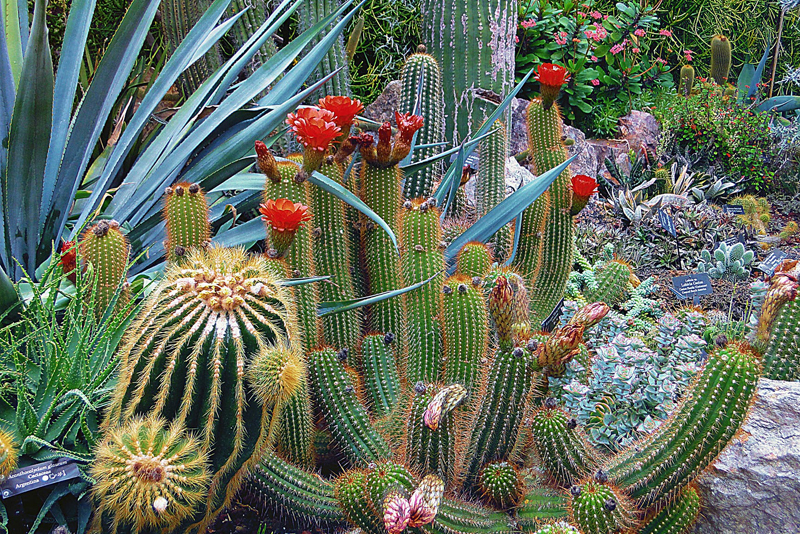
When you don’t have enough windows to provide your indoor succulents with proper lighting, the solution is to create an artificially lit garden. For such indoor light gardens, there are a number of suitable low growing succulent species. These will need about 14 hours or more of light per day.
Aloe
This is known by various other common names, including medicine plant and bitter aloe. Requiring a minimum of care, the aloe forms a loose, open rosette of attractive, spotted, shiny foliage. Over time, this can produce numerous suckers.
Blue chalk sticks
Despite its somewhat unflattering name, the blue chalk stick is actually an attractive plant, around a foot in height. It is actually a species of Senecio. This species is noted for its very attractive, blue, fleshy, thick leaves, which tend to be cylindrical. Up to five inches in length, these are grooved on the upper surface. The stout stems can have numerous branches.
During the spring and summer months, blue chalk stick has lovely white
blooms that resemble daisies.
Century plant
While it’s true that many century plants are too large to make good indoor plants, the Queen Victoria century plant does just fine. Also known as the queen agave, this is very slow growing. It has a perfectly shaped rosette of attractive white-rimmed leaves. This needs a winter rest period.
Dwarf crown of thorns
Unlike the species plant, this dwarf only grows to about a foot or so in height. A very free flowering succulent, this is much admired for its colorful red bracts. It can bloom most any time of year when grown under lights. The stems and branches are covered with sharp spines.
Gasteria
Most all of the gasterias are good choices for indoor light gardens. These have long, slender, pointed leaves arranged in a spiral fashion to create rosettes. Often, the foliage will have colorful spots or blotches.
One of the best for artificially lit gardens is the Lilliput gasteria. This
only grows to several inches in height.
Haworthias
Like the gasterias, the haworthias have lovely sword-shaped foliage in tidy rosettes. This is accented with contrasting spots or tubercles. These can do with a couple hours less of light per day than some other light garden plants.
Aloe
This is known by various other common names, including medicine plant and bitter aloe. Requiring a minimum of care, the aloe forms a loose, open rosette of attractive, spotted, shiny foliage. Over time, this can produce numerous suckers.
Blue chalk sticks
Despite its somewhat unflattering name, the blue chalk stick is actually an attractive plant, around a foot in height. It is actually a species of Senecio. This species is noted for its very attractive, blue, fleshy, thick leaves, which tend to be cylindrical. Up to five inches in length, these are grooved on the upper surface. The stout stems can have numerous branches.
During the spring and summer months, blue chalk stick has lovely white
blooms that resemble daisies.
Century plant
While it’s true that many century plants are too large to make good indoor plants, the Queen Victoria century plant does just fine. Also known as the queen agave, this is very slow growing. It has a perfectly shaped rosette of attractive white-rimmed leaves. This needs a winter rest period.
Dwarf crown of thorns
Unlike the species plant, this dwarf only grows to about a foot or so in height. A very free flowering succulent, this is much admired for its colorful red bracts. It can bloom most any time of year when grown under lights. The stems and branches are covered with sharp spines.
Gasteria
Most all of the gasterias are good choices for indoor light gardens. These have long, slender, pointed leaves arranged in a spiral fashion to create rosettes. Often, the foliage will have colorful spots or blotches.
One of the best for artificially lit gardens is the Lilliput gasteria. This
only grows to several inches in height.
Haworthias
Like the gasterias, the haworthias have lovely sword-shaped foliage in tidy rosettes. This is accented with contrasting spots or tubercles. These can do with a couple hours less of light per day than some other light garden plants.
This site needs an editor - click to learn more!

Related Articles
Editor's Picks Articles
Top Ten Articles
Previous Features
Site Map
Content copyright © 2023 by Connie Krochmal . All rights reserved.
This content was written by Connie Krochmal . If you wish to use this content in any manner, you need written permission. Contact
BellaOnline Administration
for details.
