

More Succulents for Indoor Light Gardens
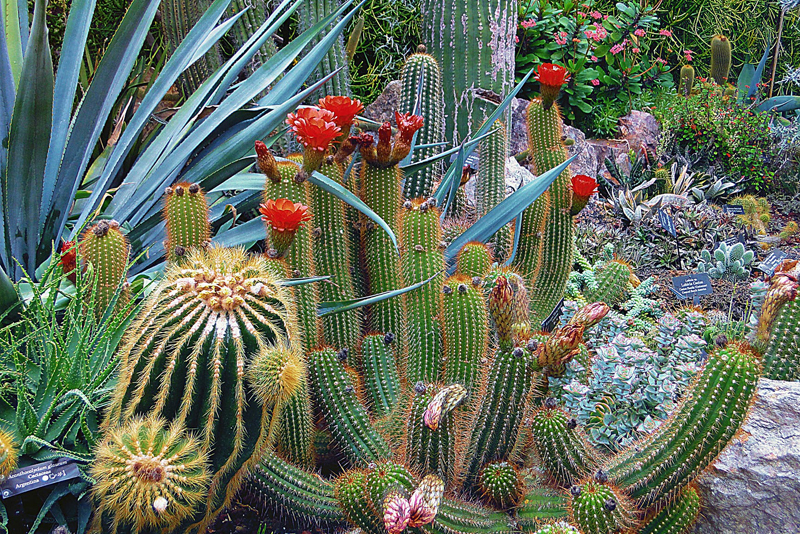
Last week we looked at a few small succulents that are suitable for indoor light gardens. Here are some more that work very well under such conditions.
Miniature wax plant
Related to the commonly grown wax plant, this vine is small enough to grow in light gardens. Very slow growing, the miniature wax plant has shiny, thick, fleshy leaves. It tends to bloom several times during the year, producing the typical blooms seen on the common wax plant. Opening in clusters, the white flowers have colorful purplish-red centers.
There is even a very dwarf variety of the miniature wax plant.
Moonstones
Also known as sugared almonds, these plants are named for the very chubby, waxy, attractive, succulent leaves that curl slightly upwards. These are held so closely together in crowded rosettes that they pretty much conceal the short stems. In some species, the edges tend to have reddish tinges.
Usually, these plants will be less than six inches tall. They have attractive red flowers.
Jade plant
Though a mature jade plant is too large to grow under artificial lights, small specimens will fit very easily in these indoor gardens. These tend to be slow growing. So, it would take some years to outgrow a light garden.
Mexican snowball
Native to Mexico, this species is typical of the echeverias. It is also known as white Mexican rose. Assuming a neat rosette growth habit, this is a particularly beautiful specimen for indoor light gardens. The thick, oval leaves taper to a point. These are grayish-blue. This has lovely long lasting shell-pink blooms.
Tiger’s jaws
A low growing succulent, this plant is named for the tuft-like spines that are actually quite soft to the touch. These appear along the edges of the foliage. A member of the Aizonaceae, this is a species of Faucaria, which remotely resemble the Gasterias and Haworthias. Greenish-gray, the edges of the long spoon shaped foliage tend to curl inward. It produces large, yellow, daisy-like blooms during the fall months. This plant needs a rest period during the summer.
Youth and old age
A species of Aeonium, this shrubby plant has attractive stems with foliage that forms rosettes. With a spoon-like shape, the leaves are fleshy with undulating, curling edges. From the rosettes arise flower stalks during the winter months into the spring. Once a rosette blooms, it will shrivel and dry. However, the dying one will be replaced by a new rosette.
Miniature wax plant
Related to the commonly grown wax plant, this vine is small enough to grow in light gardens. Very slow growing, the miniature wax plant has shiny, thick, fleshy leaves. It tends to bloom several times during the year, producing the typical blooms seen on the common wax plant. Opening in clusters, the white flowers have colorful purplish-red centers.
There is even a very dwarf variety of the miniature wax plant.
Moonstones
Also known as sugared almonds, these plants are named for the very chubby, waxy, attractive, succulent leaves that curl slightly upwards. These are held so closely together in crowded rosettes that they pretty much conceal the short stems. In some species, the edges tend to have reddish tinges.
Usually, these plants will be less than six inches tall. They have attractive red flowers.
Jade plant
Though a mature jade plant is too large to grow under artificial lights, small specimens will fit very easily in these indoor gardens. These tend to be slow growing. So, it would take some years to outgrow a light garden.
Mexican snowball
Native to Mexico, this species is typical of the echeverias. It is also known as white Mexican rose. Assuming a neat rosette growth habit, this is a particularly beautiful specimen for indoor light gardens. The thick, oval leaves taper to a point. These are grayish-blue. This has lovely long lasting shell-pink blooms.
Tiger’s jaws
A low growing succulent, this plant is named for the tuft-like spines that are actually quite soft to the touch. These appear along the edges of the foliage. A member of the Aizonaceae, this is a species of Faucaria, which remotely resemble the Gasterias and Haworthias. Greenish-gray, the edges of the long spoon shaped foliage tend to curl inward. It produces large, yellow, daisy-like blooms during the fall months. This plant needs a rest period during the summer.
Youth and old age
A species of Aeonium, this shrubby plant has attractive stems with foliage that forms rosettes. With a spoon-like shape, the leaves are fleshy with undulating, curling edges. From the rosettes arise flower stalks during the winter months into the spring. Once a rosette blooms, it will shrivel and dry. However, the dying one will be replaced by a new rosette.
This site needs an editor - click to learn more!

Related Articles
Editor's Picks Articles
Top Ten Articles
Previous Features
Site Map
Content copyright © 2023 by Connie Krochmal . All rights reserved.
This content was written by Connie Krochmal . If you wish to use this content in any manner, you need written permission. Contact
BellaOnline Administration
for details.
