

Free Rug Patterns
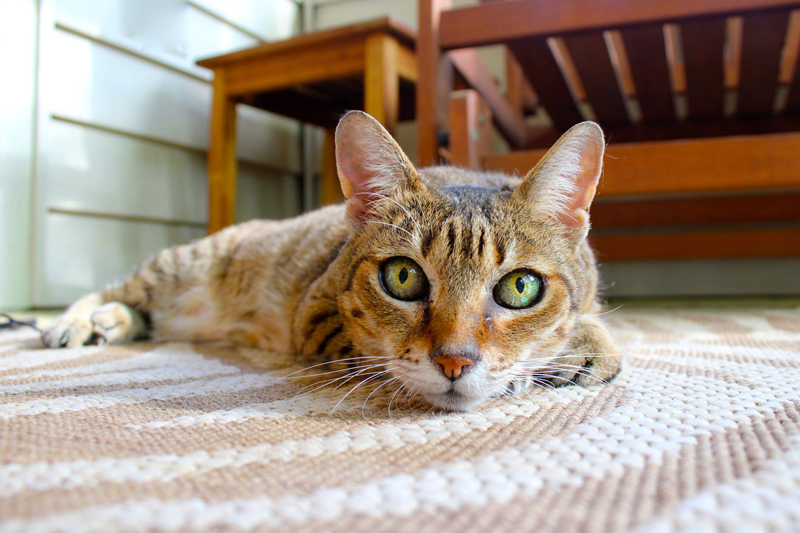
Looking for free patterns or inspiration for your next project? Here’s a list of places to look online for free knit and crochet rug patterns.
www.crochetpatterncentral.com
Free patterns for plastic bag rugs, jute rugs, yarn rugs and rag rugs. Includes patterns for round, rectangle, oval, granny square, hearth, octagon, pet, and a race track rug.
Click on “Free Pattern Directory” located on the left side of the web page.
Than click on “rugs”.
https://home.inreach.com/marthac/rug.html
Free patterns for plastic bag rugs, rag rugs, wool rugs and yarn rugs. Includes patterns for bathroom, butterfly, hearth, heart shaped, oval, round, watermelon and snowman rug.
www.lionbrand.com
You’ll need to register (for free) with Lion before you are able to view the patterns. Once you are registered:
Go to “Patterns”.
Than “Pattern Finder”.
Type “rug” where it asks “Describe what you want”.
Some of the patterns have a rating system where people have wrote in rating their experience making and using the rug.
www.yarn.com
At the top of the WEBs yarn store page, there should be a place to enter a search. Type “free rug pattern”.
https://berroco.com
At the top of the Berroco yarn web page, there should be a place to enter a search. Type “free rug pattern”.
www.patonsyarns.com
Go to “Our Patterns”.
Than click on “Search Free Patterns”.
Type in “rug”.
www.bernat.com
Go to “Our Patterns”.
Than click on “Search Free Patterns”.
Type in “rug”.
www.yarnmarket.com
At the yarn market main page, type “rug” in the “Search” field.
Look for product matches that have a price of $0.00.
To view patterns, click on the item you are interested in.
Than click on “Print this pattern on your printer”.
www.royalyarns.com
On the right side of the main page, there is a box that has the following options:
“Free Knitting Patterns”
“Free Crochet Patterns”
Click on one of the options to search through the patterns.
www.yarnandfiber.com
At the top of the web page, you’ll find a “Quick Find” option.
Type in “rug” to search through the patterns.
www.sugarncream.com
Go to “Our Patterns”.
Than click on “Search Free Patterns”.
Type “rug” in the search field.
www.coatsandclark.com
At the main page, type “free rug pattern” in the search field.
I have not ordered from or used the yarn and patterns from many of these websites, so I can’t personally recommend the patterns and yarn. Websites change daily, patterns can be added or deleted as the websites are updated.
www.crochetpatterncentral.com
Free patterns for plastic bag rugs, jute rugs, yarn rugs and rag rugs. Includes patterns for round, rectangle, oval, granny square, hearth, octagon, pet, and a race track rug.
Click on “Free Pattern Directory” located on the left side of the web page.
Than click on “rugs”.
https://home.inreach.com/marthac/rug.html
Free patterns for plastic bag rugs, rag rugs, wool rugs and yarn rugs. Includes patterns for bathroom, butterfly, hearth, heart shaped, oval, round, watermelon and snowman rug.
www.lionbrand.com
You’ll need to register (for free) with Lion before you are able to view the patterns. Once you are registered:
Go to “Patterns”.
Than “Pattern Finder”.
Type “rug” where it asks “Describe what you want”.
Some of the patterns have a rating system where people have wrote in rating their experience making and using the rug.
www.yarn.com
At the top of the WEBs yarn store page, there should be a place to enter a search. Type “free rug pattern”.
https://berroco.com
At the top of the Berroco yarn web page, there should be a place to enter a search. Type “free rug pattern”.
www.patonsyarns.com
Go to “Our Patterns”.
Than click on “Search Free Patterns”.
Type in “rug”.
www.bernat.com
Go to “Our Patterns”.
Than click on “Search Free Patterns”.
Type in “rug”.
www.yarnmarket.com
At the yarn market main page, type “rug” in the “Search” field.
Look for product matches that have a price of $0.00.
To view patterns, click on the item you are interested in.
Than click on “Print this pattern on your printer”.
www.royalyarns.com
On the right side of the main page, there is a box that has the following options:
“Free Knitting Patterns”
“Free Crochet Patterns”
Click on one of the options to search through the patterns.
www.yarnandfiber.com
At the top of the web page, you’ll find a “Quick Find” option.
Type in “rug” to search through the patterns.
www.sugarncream.com
Go to “Our Patterns”.
Than click on “Search Free Patterns”.
Type “rug” in the search field.
www.coatsandclark.com
At the main page, type “free rug pattern” in the search field.
I have not ordered from or used the yarn and patterns from many of these websites, so I can’t personally recommend the patterns and yarn. Websites change daily, patterns can be added or deleted as the websites are updated.
This site needs an editor - click to learn more!
You Should Also Read:
BellaOnline Crocheted Rugs
BellaOnline Knitted Rugs
Related Articles
Editor's Picks Articles
Top Ten Articles
Previous Features
Site Map
Content copyright © 2023 by Christine Dux. All rights reserved.
This content was written by Christine Dux. If you wish to use this content in any manner, you need written permission. Contact
BellaOnline Administration
for details.
