Gerbil - Pet Gerbils
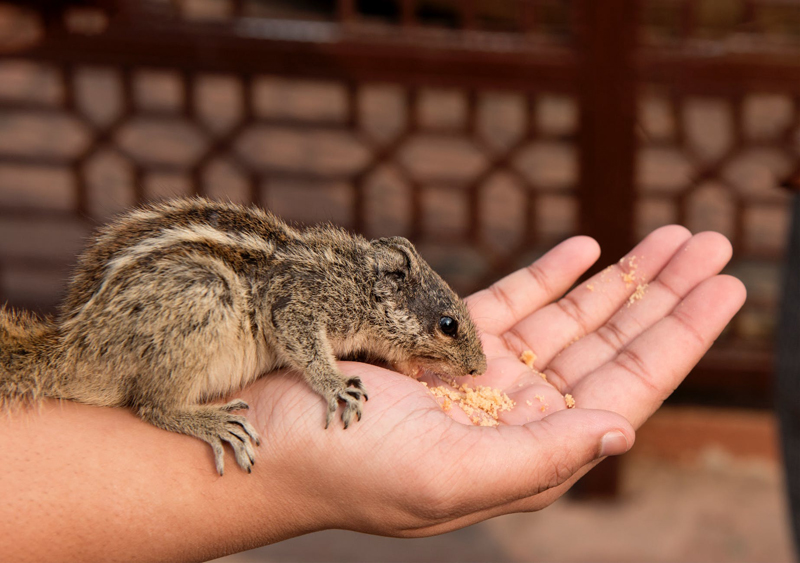
Make sure the pet store has clean surroundings. Look to see that the gerbil is healthy that the coat is soft and not greasy or oily. Ask to hold the gerbil. He should not be lethargic and should be bright and curious acting.
You may want to consider animal adoption or exotic pet adoption from a animal shelter or animal rescue.
Housing and accessories
There are cages especially made for the gerbil. They are very capable at gnawing and scratching through a cage. Glass aquariums work but are dangerous because of lack of air flow; and also, what glass can do to intensify heat. The gerbil is very active and will need a good size aquarium of at least ten gallons but bigger is better. You will need an escape proof, tight secure screened lid. Do make sure the lid is well ventilated. A welded wire cage works great for a gerbil. Welded wire is good because it has plenty of ventilation.
 Super Pet My First Home for Critters, Teal
Supply bedding material. Aspen wood shavings work the best. Pine or cedar can cause respiratory problems. Supply a water bottle preferably one of those rodent bottles that can't be chewed up. Though gerbils don't require a lot of water it is important to always provide fresh, clean filtered water. A heavy food dish is important because gerbils are very active and dig a lot and food dishes get tipped over easily.
They are very active animals and love to play. Provide lots of toys. Rodents are mammals that belongs to the family Rodentia. The Rodentia group is distinguishable because their incisors grow continuously throughout life; and is worn down by gnawing. Use safe toxic free sticks and twigs are great to chew on, as are rodent chew sticks. Hardwood parrot toys make exceptionally good toys for gerbils. They like toilet paper rolls or even tissue boxes.
Gerbils like exercise wheels. Since gerbils love to dig it's best to hang the wheel from the cage top otherwise it will become quickly buried in bedding material. Do make sure the water bottle isn't dripping in the cage. This makes the cage smelly and is not healthy for the gerbil.
Keep the gerbil cage very clean and disinfect every week. Rinse and dry the cage completely. Do not use pine cleaners. Clorox can be used but rinse thoroughly and air the cage out before returning the gerbil to the cage.
Feeding
Stores sell gerbil pellets or mixes of pellets and seeds. Supplement the diet with fresh fruits or vegetables given in small amounts at about once a week. The gerbil is a desert creature and too much of the fruits and vegetables can give him diarrhea. The gerbil can have a few sunflower seeds but only as a treat. Sunflower seeds are very fattening. They may beg a potato chip or other junk it's not good for them. Always remove any uneaten food.
Bonding and Training
Give the gerbil time to adjust when you bring him home allowing for peace and quiet. Talk to him softly so that he can adjust to you and your voice. The next day when you feed him would be a good time to begin getting acquainted.
Place food in your hand and place your hand in the cage. The gerbil will smell the food and scratch at your hand. This will get him use to your hand and the smell of your hand beginning the bonding process. If he nibbles on your hand don't pull back and frighten him he will most likely only nibble. See if he will step unto your hand. Gently pick up the gerbil but never by the tail because the tail can break off easily. He will enjoy climbing up your arm.
Over time he will learn to trust and love you and you will love your gerbil. They can become very charming and friendly pets. The gerbil like many pets are social animals and you will need to spend a lot of time with your pet every day. Above all else enjoy your pet gerbil.
Join Exotic Pets Bellaonline on Facebook and Twitter - be sure to click the "like" Exotic Pets Facebook
Exotic Pets @ Twitter

Gerbils: The Complete Guide to Gerbil Care (Complete Care Made Easy)


Ferrets: A Complete Guide available in paperback and Kindle. By Diana Geiger (me:) Five star reviews!
Ferrets: A Complete Guide - Paperback
Ferrets: A Complete Guide - Kindle
PDF Version Ferrets: A Complete Guide (Access to free PDF Reader)
Ferrets: A Complete Guide
Scroll down a litter further and sign up for the exotic pet’s newsletter. Your email is 100% safe, I never even see it. You will receive a newsletter once a week. Once in a great while an emergency newsletter may go out, but this would be only for a big illness outbreak or other emergency. Subscribe so you will know when new content comes out!


This site needs an editor - click to learn more!
You Should Also Read:
Exotic Pet Site Map
Ferrets - A Complete Guide Paperback and Kindle
Exotic Pet Shopping (the safest for your pets)
Related Articles
Editor's Picks Articles
Top Ten Articles
Previous Features
Site Map
Content copyright © 2023 by Diana Geiger. All rights reserved.
This content was written by Diana Geiger. If you wish to use this content in any manner, you need written permission. Contact
BellaOnline Administration
for details.