Healthy Chocolate Candy Recipes
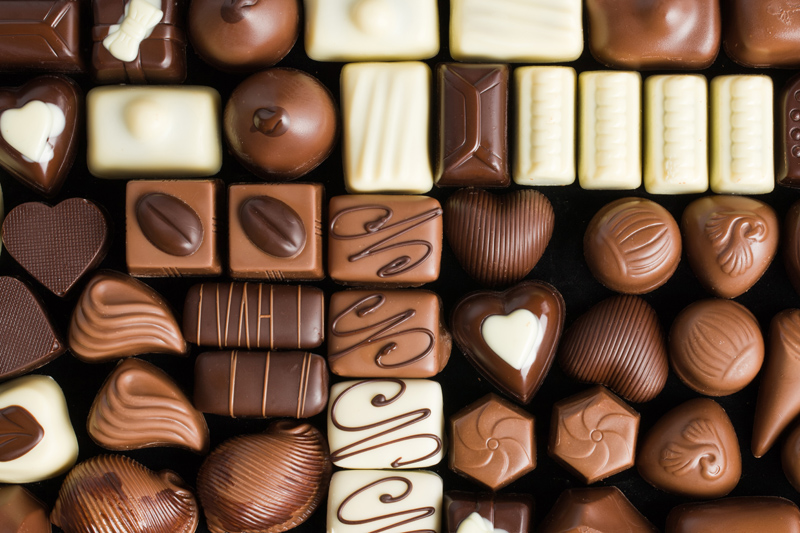
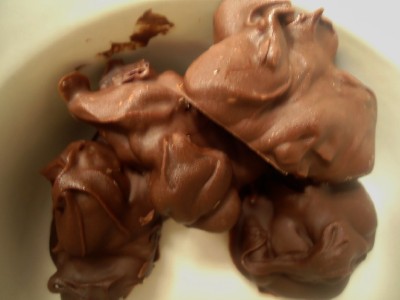
I am always looking for a healthy way to enjoy chocolate. These chocolate cluster candies are extremely easy to make. The candies are made with dark chocolate, which are full of antioxidants. I provided a list below of ten healthy options to combine with the dark chocolate, along with two of my favorite recipes.
1. Dried fruits such as banana and pineapple. Remember to look for no sugar added.
2. Nuts such as peanuts, almonds, cashews, and pistachios. Look for low salt or no salt added.
3. Ground cinnamon. Studies have shown it can lower cholesterol or control blood sugar.
4. Honey. Honey contains antioxidants and local honey can improve allergies.
5. Cranberries. Cranberries are filled with vitamin c and fiber.
6. Cherries. The benefits of cherries are antioxidants, folic acid, and fiber
7. Raisins. Raisins contain iron and antioxidants.
8. Toasted Unsweetened Coconut flakes. Studies have shown coconut can help digestion and lower cholesterol.
9. Flaxseeds. Flaxseeds are high in fiber and contain omega 3 fatty acids.
10. Pumpkin seeds. Pumpkin seeds contain magnesium and zinc.
Coconut and Nut Clusters Recipe
Makes 16 candies
Ingredients:
1 cup dark chocolate
1/4 cup toasted coconut
1/2 cup unsalted macadamia nuts
Directions:
1. Melt the dark chocolate in the microwave.
2. Stir in the coconut and macadamia nuts.
3. Line a cookie sheet with wax paper.
4. Drop a rounded spoonful of the candy on the wax paper. I made mine just under the size of 2 tbsp. each.
5. Freeze for about 10 minutes or until firm.
Cinnamon and Honey Almond Clusters Recipe
Makes about 16 candies
Ingredients:
1 cup of dark chocolate
1 tsp. ground cinnamon
1.5 tbsp. honey
1/4 cup almonds
Directions:
1. Melt the chocolate in the microwave.
2. Add the cinnamon and honey.
3. Stir until dissolved.
4. Add the almonds.
5. Line a cookie sheet with wax paper.
6. Drop a rounded spoonful of the candy on the wax paper. I made mine just under the size of 2 tbsp. each.
7. Freeze for about 10 minutes or until firm.
Enjoy and sweeten the soul with chocolate!

Related Articles
Editor's Picks Articles
Top Ten Articles
Previous Features
Site Map
Content copyright © 2023 by Michelle Matile. All rights reserved.
This content was written by Michelle Matile. If you wish to use this content in any manner, you need written permission. Contact Brandii Lacey for details.