

Berry Shrub Varieties
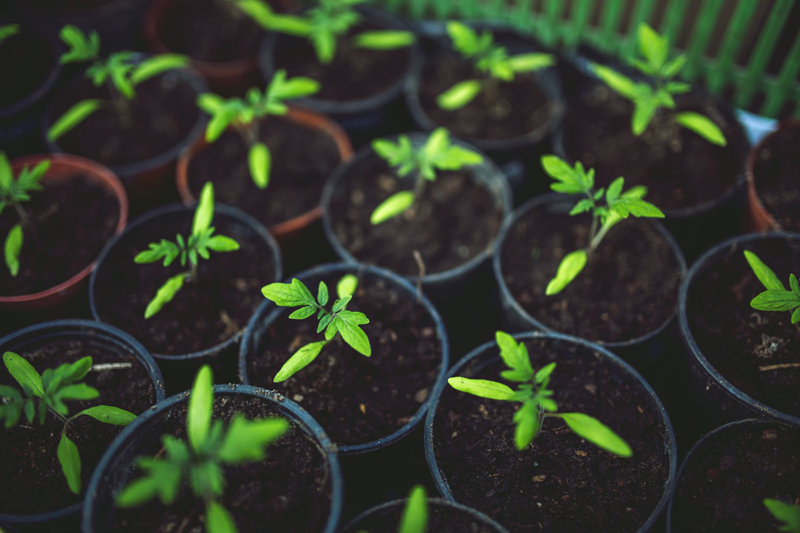
If you own your own home and are thinking about planting an ornamental berry plant, there are some beautiful ones to consider. The berries that these bushes produce come in a variety of different colors and shapes.
Sometimes the berries will form while the leaves are still on the shrub, while others will hole onto their fruit long after the leaves have fallen. Some of the berries these shrubs produce are delicious enough to eat, while others will produce fruit for the birds and wildlife to eat.
Blue Velvet
If you choose to grow, blue velvet in your landscaping then you will need two plants or another honeyberry planted close by to help with pollination. Although it takes one to two years before any fruit sets on, then it does the fruit will be blue and approximately 1.5 inches long. Blue velvet is a relative of the honeysuckle. If you have a shady spot, this plant will grow happily. The soil doesn't need amending as blue velvet grows well in poor soils. Another plus with growing blue velvet is that pests and disease rarely bother this shrub. The life span of this shrub is 50 to 75 years and it is hardy in zones 3 through 8.
Christmas Cherry
The Christmas cherry or Jerusalem cherry has small white flowers. These flowers are not showy, but the bright red berries that appear in the wintertime make this shrub outstanding. The Christmas cherry is a relation to the potato and eggplant family. The Christmas cherry grows indoors in the northern climates, as they prefer to grow where the temperatures remain 50 to 60 degrees F. during the winter. When summer comes and there is no further danger of frost, place the Christmas cherry outdoors in a shady part of your garden. Growing the Christmas cherry as a houseplant works in almost any house with the exception of homes that have illuminating or coal gas. If the Christmas cherry is exposed to these two gasses, the leaves will curl and the berries will fall.
Blueberry
If you love to eat berries, then the dwarf blueberry is a wonderful ornamental plant to grow in your yard. It is small enough that you can grow it in a pot, making it easier to move when cold weather arrives. The dwarf blueberry is an excellent plant to grow in containers as they only grow to a height of 3 to 4 feet. Even though the dwarf blueberry is small, it will give you 5 to 10 pounds of dark blue blueberries. Each blueberry is about the size of a dime. Even the leaves are pretty. They start out as silver-green in color and change to a purple-red color when fall comes. Some blueberry shrubs, such as the Dwarf Tophat Blueberry, can self-pollinate, but other blueberry shrubs do better and produce more fruit if they have another cultivar of a blueberry shrub close by. Place the dwarf blueberry bush in full sun. This shrub is hardy in zones 5 through 9, but if you live in zones below 5, you can bring the blueberry indoors through the winter.
Sometimes the berries will form while the leaves are still on the shrub, while others will hole onto their fruit long after the leaves have fallen. Some of the berries these shrubs produce are delicious enough to eat, while others will produce fruit for the birds and wildlife to eat.
Blue Velvet
If you choose to grow, blue velvet in your landscaping then you will need two plants or another honeyberry planted close by to help with pollination. Although it takes one to two years before any fruit sets on, then it does the fruit will be blue and approximately 1.5 inches long. Blue velvet is a relative of the honeysuckle. If you have a shady spot, this plant will grow happily. The soil doesn't need amending as blue velvet grows well in poor soils. Another plus with growing blue velvet is that pests and disease rarely bother this shrub. The life span of this shrub is 50 to 75 years and it is hardy in zones 3 through 8.
Christmas Cherry
The Christmas cherry or Jerusalem cherry has small white flowers. These flowers are not showy, but the bright red berries that appear in the wintertime make this shrub outstanding. The Christmas cherry is a relation to the potato and eggplant family. The Christmas cherry grows indoors in the northern climates, as they prefer to grow where the temperatures remain 50 to 60 degrees F. during the winter. When summer comes and there is no further danger of frost, place the Christmas cherry outdoors in a shady part of your garden. Growing the Christmas cherry as a houseplant works in almost any house with the exception of homes that have illuminating or coal gas. If the Christmas cherry is exposed to these two gasses, the leaves will curl and the berries will fall.
Blueberry
If you love to eat berries, then the dwarf blueberry is a wonderful ornamental plant to grow in your yard. It is small enough that you can grow it in a pot, making it easier to move when cold weather arrives. The dwarf blueberry is an excellent plant to grow in containers as they only grow to a height of 3 to 4 feet. Even though the dwarf blueberry is small, it will give you 5 to 10 pounds of dark blue blueberries. Each blueberry is about the size of a dime. Even the leaves are pretty. They start out as silver-green in color and change to a purple-red color when fall comes. Some blueberry shrubs, such as the Dwarf Tophat Blueberry, can self-pollinate, but other blueberry shrubs do better and produce more fruit if they have another cultivar of a blueberry shrub close by. Place the dwarf blueberry bush in full sun. This shrub is hardy in zones 5 through 9, but if you live in zones below 5, you can bring the blueberry indoors through the winter.

Related Articles
Editor's Picks Articles
Top Ten Articles
Previous Features
Site Map
Content copyright © 2023 by Gail Delaney. All rights reserved.
This content was written by Gail Delaney. If you wish to use this content in any manner, you need written permission. Contact Gail Delaney for details.
