

Composting Basics
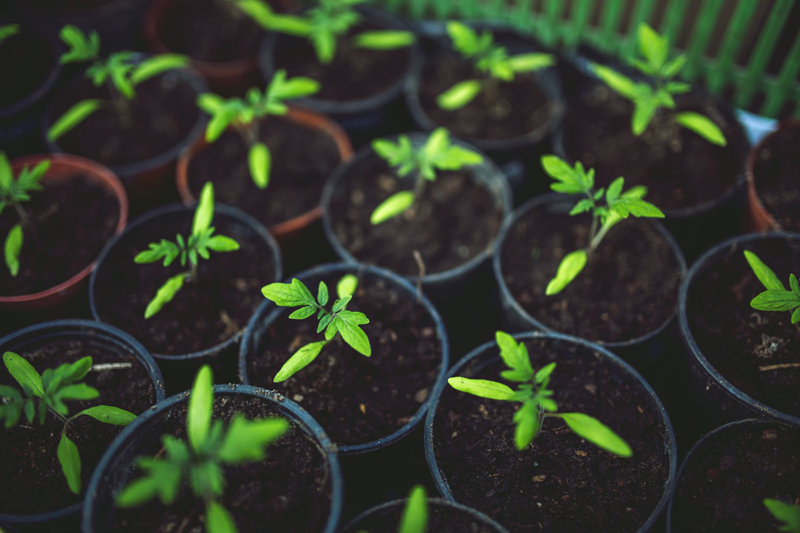
Composting is a quick and easy way to make use of yard waste such as leaves and twigs, grass clippings, and kitchen waste. Basically, composting is the process of breaking down organic matter and creating what gardeners call "black gold." Bacteria and other organisms use the matter for food, and the result is a nutrient-rich mixture that can help enrich any soil.
Building Materials
There are many different ways to compost, depending on the amount of space you have available. For outdoors composting, you can use a store-bought composting bin, trash can, or simply set up an area with chicken wire or fencing, or build a bin out of whatever you have available. Be sure your compost pile isn't too large -- you will need to turn it to get more air into the mixture, and if it's too big, you won't be able to turn the middle. Be sure your compost pile is on the ground so that worms can easily access it.
The Four Factors of Composting
There are four important factors in composting: brown, green, air and moisture. Each of these must be involved to make the process work. Brown consists of twigs, bark, straw, paper, or any other brown waste. Green includes grass clippings, kitchen waste (fruits and vegetables only), and coffee grounds. Air is a must; turn your compost in order to get air into the mixture. Moisture - the compost mixture should have the consistency of a damp sponge. Sprinkle water over the heap as needed.
Building A Compost Pile
Start with some "brown" in the bottom, such as leaves, chipped branches, brown paper, or mulch. Then put in some "green" kitchen scraps and/or some grass clippings. Continue to layer in more materials if you have them.
You will need to mix or turn your pile once a week to incorporate air and prevent the pile from "cooking". You can do this by mixing it up with a pitch fork or shovel, or by rolling it around if you have it in a garbage can.
Troubleshooting
If your pile is not decomposing, try adding more green material. If the pile is too wet, add brown material, such as shredded paper or cut-up cardboard. If your pile is slimy, add some brown material as well. If it's dry, sprinkle it with some water.
Building Materials
There are many different ways to compost, depending on the amount of space you have available. For outdoors composting, you can use a store-bought composting bin, trash can, or simply set up an area with chicken wire or fencing, or build a bin out of whatever you have available. Be sure your compost pile isn't too large -- you will need to turn it to get more air into the mixture, and if it's too big, you won't be able to turn the middle. Be sure your compost pile is on the ground so that worms can easily access it.
The Four Factors of Composting
There are four important factors in composting: brown, green, air and moisture. Each of these must be involved to make the process work. Brown consists of twigs, bark, straw, paper, or any other brown waste. Green includes grass clippings, kitchen waste (fruits and vegetables only), and coffee grounds. Air is a must; turn your compost in order to get air into the mixture. Moisture - the compost mixture should have the consistency of a damp sponge. Sprinkle water over the heap as needed.
Building A Compost Pile
Start with some "brown" in the bottom, such as leaves, chipped branches, brown paper, or mulch. Then put in some "green" kitchen scraps and/or some grass clippings. Continue to layer in more materials if you have them.
You will need to mix or turn your pile once a week to incorporate air and prevent the pile from "cooking". You can do this by mixing it up with a pitch fork or shovel, or by rolling it around if you have it in a garbage can.
Troubleshooting
If your pile is not decomposing, try adding more green material. If the pile is too wet, add brown material, such as shredded paper or cut-up cardboard. If your pile is slimy, add some brown material as well. If it's dry, sprinkle it with some water.
You Should Also Read:
Can I Compost This?

Related Articles
Editor's Picks Articles
Top Ten Articles
Previous Features
Site Map
Content copyright © 2023 by Teresa Shaw. All rights reserved.
This content was written by Teresa Shaw. If you wish to use this content in any manner, you need written permission. Contact Gail Delaney for details.
