

Feng Shui Quick Guide -- Book Review

Over the years I have been practicing Feng Shui, I have taught thousands of clients and students the simple secrets of using Feng Shui to improve their lives. Now, I can share those secrets with you through my book, the Feng Shui Quick Guide For Home and Office -- Secrets For Attracting Wealth, Harmony, and Love.
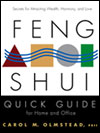 Feng Shui is the art of placing things around you in balance and harmony with the natural world. The Feng Shui Quick Guide simplifies the process for every day use, throughout the seasons. The book presents the basic tools you need to place furniture and objects in the right position to bring wealth, harmony, and love into your life. In addition, the book shows how a few strategic Feng Shui improvements can remove blockages and open up new worlds of possibility.
For example, the Feng Shui Quick Guide explains why day-to-day clutter, worn-out clothes, and dying plants can interfere with your ability to attract good people, good fortune, and creativity to your life.
The Feng Shui Quick Guide includes a Clutter Clinic with a month-by-month guide for clearing clutter. For example, the advice for January is to “Take a Feng Shui Fling.” Here's how it works: Take a large plastic trash bag, move quickly through your home, and fling 27 things into the bag -- things you don’t need, or want, or like. Then stand back and watch good things flow into the open spaces you have created.
The highlight of the Feng Shui Quick Guide is a Calendar of 366 fast fix Feng Shui tips that you can use, one day at a time, to make Feng Shui changes according to the seasons. Here are a few tips from the Calendar:
*February 14: If you give roses as a gift on Valentine’s Day or any other occasion, remove the thorns to assure a smooth romance.
*March 17: Wear something green today, not just because it is St. Patrick’s Day, but also because it's the color that stimulates creativity and growth.
*December 25: Serve Christmas dinner on the good china, crystal, and silver you have been hiding in your cabinets and closets because negative chi accumulates in things you don’t use frequently.
Sprinkled through the book are success stories from people who made simple changes following these tips and saw big results. Examples include Brenda, who cleaned out a closet and attracted a new love; Susan, who made a few adjustments and sold a home that had been lingering on the market; and Marcia, who found the perfect location for her business.
Are you ready to make some simple changes with similar big results in your own life? Click here to take a look at the Table of Contents for the Feng Shui Quick Guide For Home and Office.
 Join my Feng Shui For Real Life page on Facebook where I post advice, tips, articles, and other Feng Shui information. Click here to link to www.Facebook.com/FengShuiForRealLife.
Feng Shui is the art of placing things around you in balance and harmony with the natural world. The Feng Shui Quick Guide simplifies the process for every day use, throughout the seasons. The book presents the basic tools you need to place furniture and objects in the right position to bring wealth, harmony, and love into your life. In addition, the book shows how a few strategic Feng Shui improvements can remove blockages and open up new worlds of possibility. For example, the Feng Shui Quick Guide explains why day-to-day clutter, worn-out clothes, and dying plants can interfere with your ability to attract good people, good fortune, and creativity to your life.
The Feng Shui Quick Guide includes a Clutter Clinic with a month-by-month guide for clearing clutter. For example, the advice for January is to “Take a Feng Shui Fling.” Here's how it works: Take a large plastic trash bag, move quickly through your home, and fling 27 things into the bag -- things you don’t need, or want, or like. Then stand back and watch good things flow into the open spaces you have created.
The highlight of the Feng Shui Quick Guide is a Calendar of 366 fast fix Feng Shui tips that you can use, one day at a time, to make Feng Shui changes according to the seasons. Here are a few tips from the Calendar:
*February 14: If you give roses as a gift on Valentine’s Day or any other occasion, remove the thorns to assure a smooth romance.
*March 17: Wear something green today, not just because it is St. Patrick’s Day, but also because it's the color that stimulates creativity and growth.
*December 25: Serve Christmas dinner on the good china, crystal, and silver you have been hiding in your cabinets and closets because negative chi accumulates in things you don’t use frequently.
Sprinkled through the book are success stories from people who made simple changes following these tips and saw big results. Examples include Brenda, who cleaned out a closet and attracted a new love; Susan, who made a few adjustments and sold a home that had been lingering on the market; and Marcia, who found the perfect location for her business.
Are you ready to make some simple changes with similar big results in your own life? Click here to take a look at the Table of Contents for the Feng Shui Quick Guide For Home and Office.
Join my Feng Shui For Real Life page on Facebook where I post advice, tips, articles, and other Feng Shui information. Click here to link to www.Facebook.com/FengShuiForRealLife.This site needs an editor - click to learn more!
You Should Also Read:
What Is Feng Shui?
Related Articles
Editor's Picks Articles
Top Ten Articles
Previous Features
Site Map
Content copyright © 2023 by Carol M. Olmstead. All rights reserved.
This content was written by Carol M. Olmstead. If you wish to use this content in any manner, you need written permission. Contact
BellaOnline Administration
for details.
