

The Four Noble Truths
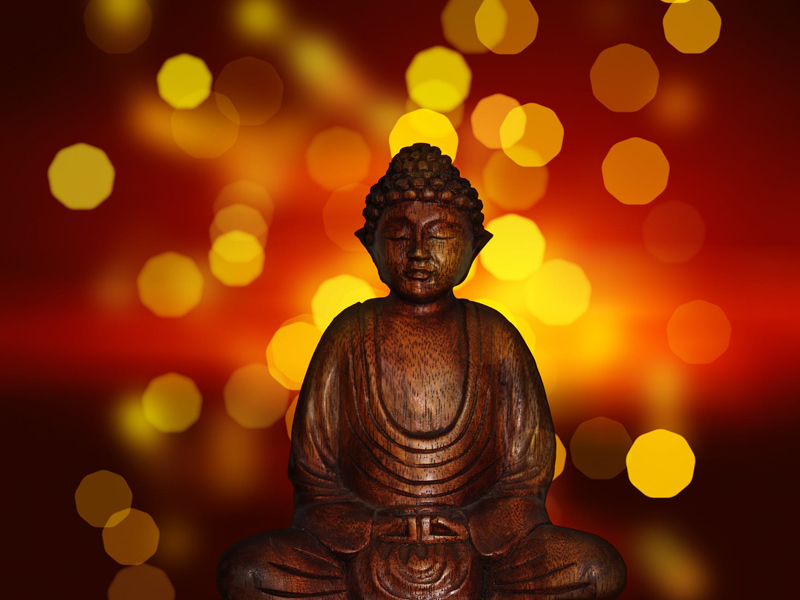
The Four Noble Truths are a foundation Buddhist teaching, recognized by all branches of Buddhism. According to the sutras (written accounts of the Buddha's oral teachings), the Four Noble Truths were the first teaching the Buddha gave upon his enlightenment. As part of the fourth and final truth, the Buddha describes the Eightfold Path - the eight aspects of behavior and spiritual practice that compose the Buddhist path to enlightenment.
In his teachings on the Four Noble Truths, the Buddha describes his own realizations regarding the nature, origin, and cessation of suffering (or dukkha). Although there are multiple versions of these teachings present in the sutras, the most commonly translated version is from the Dhammacakkappavattana Sutta. The translation of the Truths offered here is drawn from Bhikkhu Bodhi's translation in The Connected Discourses of the Buddha:
1. The Nature of Suffering (dukkha):
"This is the noble truth of suffering: birth is suffering, aging is suffering, illness is suffering, death is suffering; sorrow, lamentation, pain, grief and despair are suffering; union with what is displeasing is suffering; separation from what is pleasing is suffering; not to get what one wants is suffering; in brief, the five aggregates subject to clinging are suffering."
2. Suffering's Origin (samudaya):
"This is the noble truth of the origin of suffering: it is this craving which leads to renewed existence, accompanied by delight and lust, seeking delight here and there, that is, craving for sensual pleasures, craving for existence, craving for extermination."
3. Suffering's Cessation (nirodha):
"This is the noble truth of the cessation of suffering: it is the remainderless fading away and cessation of that same craving, the giving up and relinquishing of it, freedom from it, nonreliance on it."
4. The Path Leading to the Cessation of Suffering:
"This is the noble truth of the way leading to the cessation of suffering: it is the Noble Eightfold Path; that is, right view, right intention, right speech, right action, right livelihood, right effort, right mindfulness, right concentration."
In this translation, 'dukkha' is translated as 'suffering', but in other translations sometimes 'stress' or other similar words are used. The word 'suffering' can be problematic, especially for those new to Buddhism, because most of us think only of experiences that we consider painful when we hear this word. This can lead to the misperception that Buddhism is based on a pessimistic philosophy, and perceives all of life as joyless.
In fact, the Buddha was clear that he did not simply mean pain when he discussed suffering. His teachings were based on the realization that even those things which we consider pleasurable in life, that bring us happiness, will eventually end. If our happiness is entirely dependent upon having them, it is at best a transitory happiness. The Buddha's teachings are therefore oriented around relinquishing our clinging or attachments, so that we can realize a peace and happiness that is not based solely on either averting pain or achieving pleasure.
Part of the process of doing this is realizing each of the The Four Noble Truths for ourselves, through practicing the Eightfold Path. The fruit of our spiritual practice is not an intellectual or philosophical understanding but a personal realization. This realization frees us from the relentless cycle of dukkha - the relentless cycle of gaining and losing transitory happiness - and awakens a deeper happiness, that is not dependent upon our circumstances.
Mahayana Buddhism, which both Tibetan Buddhism and Zen are branches of, have some sutras with variant versions of The Four Noble Truths, including the Mahaparinirvana Sutra and the Angulimaliya Sutra. As with all other teachings, different Buddhist branches emphasize different core teachings. However, the concept of dukkha as caused by clinging and attachment, and the idea that Buddhism is a path for escaping dukkha and achieving a lasting happiness, is a core teaching within all branches.
For the full translation of the Four Noble Truths excerpted here, check out:
Also, please note that this article is included in my e-book Introduction to Buddhism and Buddhist Meditation.
In his teachings on the Four Noble Truths, the Buddha describes his own realizations regarding the nature, origin, and cessation of suffering (or dukkha). Although there are multiple versions of these teachings present in the sutras, the most commonly translated version is from the Dhammacakkappavattana Sutta. The translation of the Truths offered here is drawn from Bhikkhu Bodhi's translation in The Connected Discourses of the Buddha:
1. The Nature of Suffering (dukkha):
"This is the noble truth of suffering: birth is suffering, aging is suffering, illness is suffering, death is suffering; sorrow, lamentation, pain, grief and despair are suffering; union with what is displeasing is suffering; separation from what is pleasing is suffering; not to get what one wants is suffering; in brief, the five aggregates subject to clinging are suffering."
2. Suffering's Origin (samudaya):
"This is the noble truth of the origin of suffering: it is this craving which leads to renewed existence, accompanied by delight and lust, seeking delight here and there, that is, craving for sensual pleasures, craving for existence, craving for extermination."
3. Suffering's Cessation (nirodha):
"This is the noble truth of the cessation of suffering: it is the remainderless fading away and cessation of that same craving, the giving up and relinquishing of it, freedom from it, nonreliance on it."
4. The Path Leading to the Cessation of Suffering:
"This is the noble truth of the way leading to the cessation of suffering: it is the Noble Eightfold Path; that is, right view, right intention, right speech, right action, right livelihood, right effort, right mindfulness, right concentration."
In this translation, 'dukkha' is translated as 'suffering', but in other translations sometimes 'stress' or other similar words are used. The word 'suffering' can be problematic, especially for those new to Buddhism, because most of us think only of experiences that we consider painful when we hear this word. This can lead to the misperception that Buddhism is based on a pessimistic philosophy, and perceives all of life as joyless.
In fact, the Buddha was clear that he did not simply mean pain when he discussed suffering. His teachings were based on the realization that even those things which we consider pleasurable in life, that bring us happiness, will eventually end. If our happiness is entirely dependent upon having them, it is at best a transitory happiness. The Buddha's teachings are therefore oriented around relinquishing our clinging or attachments, so that we can realize a peace and happiness that is not based solely on either averting pain or achieving pleasure.
Part of the process of doing this is realizing each of the The Four Noble Truths for ourselves, through practicing the Eightfold Path. The fruit of our spiritual practice is not an intellectual or philosophical understanding but a personal realization. This realization frees us from the relentless cycle of dukkha - the relentless cycle of gaining and losing transitory happiness - and awakens a deeper happiness, that is not dependent upon our circumstances.
Mahayana Buddhism, which both Tibetan Buddhism and Zen are branches of, have some sutras with variant versions of The Four Noble Truths, including the Mahaparinirvana Sutra and the Angulimaliya Sutra. As with all other teachings, different Buddhist branches emphasize different core teachings. However, the concept of dukkha as caused by clinging and attachment, and the idea that Buddhism is a path for escaping dukkha and achieving a lasting happiness, is a core teaching within all branches.
For the full translation of the Four Noble Truths excerpted here, check out:
Also, please note that this article is included in my e-book Introduction to Buddhism and Buddhist Meditation.

Related Articles
Editor's Picks Articles
Top Ten Articles
Previous Features
Site Map
Follow @mommymystic
Tweet
Content copyright © 2023 by Lisa Erickson. All rights reserved.
This content was written by Lisa Erickson. If you wish to use this content in any manner, you need written permission. Contact Lisa Erickson for details.
