

You Need To Read If You Want To Write
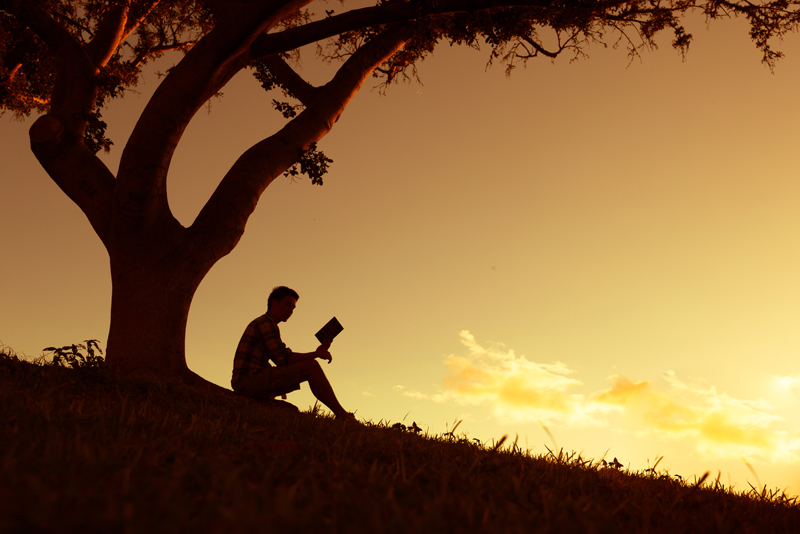
Read, Write, Read More
I want to share why I have found this advice extremely helpful. I DID NOT read enough before I started to write a book.
I’d been working on a teen contemporary novel, and with great pride and hope, I took my half-finished manuscript to a college writing workshop. An editor read the first few sentences and told me that I needed to read at least 1,000 books in the young adult genre. Then, she suggested that I start my novel again — from scratch. I grumbled and lallygagged. Then, I went to the library and checked out ten current books that were similar to what I was trying to write. Five books later, all grumbling and lallygagging ceased!
Why Is It Important to Read?
First, let me assure you that I have not yet reached that goal of 1,000 books. After I had finished reading my fifth book, it started to click as to why I needed to read to write. Here are some revelations I discovered.
*You need to keep up with the times. Just like music, fashion, and life, books change. The topics and subjects change as well as the vocabulary and settings. This is most important when it comes to writing contemporary books. It helps to read current books and magazines in your genre of interest to check out trends in both fashion and culture.
*You need to change with the times. If you are writing period books — books written about a specific time in the past — it helps to study both current nonfiction and fiction books to see how the authors represent events of that period. Believe it or not, there are times when facts about events of the past have been changed due to further historical research.
*Reading books by both new and well established authors can be like receiving a gift course of writing lessons. You can study the development of their characters, plot twists, scene changes, conversation styles and their resolution of conflicts. (I often buy a paperback copy of a book that I love and make notes in the margins.)
What Should You Read?
Your choice of what to read is endless. Here are some ideas to help you narrow down what may help you write.
*Don’t be afraid to read the kind of books you wish to write. You might worry that you will copy something from the book, like a character, a setting, or a situation. Please, don’t worry too much. If you are taking on the endeavor of writing a book, more than likely, you have your own ideas, story lines and character lists.
*When you read books that are similar to what you wish to write, look at the best sellers. Why are they best sellers? What is the story and how is it being told? How well do you know and like the characters? Also read books that are not best sellers, books with covers you don’t like, and books that are suggested by librarians. Seriously, I have found librarians to be the greatest resource when it comes to choosing books for all reasons!
*Also, don’t be afraid to stop reading. If you don’t like the book you are reading, even if everyone around you and the world loves it, you don’t have to finish it. This is your time for reading to write research, so you can read what you like — well most of the time.
*Read books you think you don’t like, and books that are dissimilar to what you want to write. Yes, they may be out of your genre, and you may not like them, but they also might spark a new writing interest for you.
*Also, read and research every different style of book you can. Traditional books, audio books, books written in diary or journal form, or graphic novels. Check out books written in first person, third person, and books told by a narrator.
Every day, there are different styles of books being written and published. I have found books written in letters, texts, emails, and even refrigerator magnets!
Read, Write, and Read More — You never know where you might find inspiration or a new direction for your own writing.
Where Am I On My Reading List?
Once again, don’t worry about reading a high number of books BEFORE you start writing. It’s totally your call and the level of comfort you feel as to when you start writing. Just do keep reading! Right now I’m about 570 books shy of that 1,000 book mark.
Please stop by our Reading Site Forum and let me know what you are reading and what you may be writing. You can also stop in to say hello, ask a question and interact with our other members.
Happy Reading and Writing!
I want to share why I have found this advice extremely helpful. I DID NOT read enough before I started to write a book.
I’d been working on a teen contemporary novel, and with great pride and hope, I took my half-finished manuscript to a college writing workshop. An editor read the first few sentences and told me that I needed to read at least 1,000 books in the young adult genre. Then, she suggested that I start my novel again — from scratch. I grumbled and lallygagged. Then, I went to the library and checked out ten current books that were similar to what I was trying to write. Five books later, all grumbling and lallygagging ceased!
Why Is It Important to Read?
First, let me assure you that I have not yet reached that goal of 1,000 books. After I had finished reading my fifth book, it started to click as to why I needed to read to write. Here are some revelations I discovered.
*You need to keep up with the times. Just like music, fashion, and life, books change. The topics and subjects change as well as the vocabulary and settings. This is most important when it comes to writing contemporary books. It helps to read current books and magazines in your genre of interest to check out trends in both fashion and culture.
*You need to change with the times. If you are writing period books — books written about a specific time in the past — it helps to study both current nonfiction and fiction books to see how the authors represent events of that period. Believe it or not, there are times when facts about events of the past have been changed due to further historical research.
*Reading books by both new and well established authors can be like receiving a gift course of writing lessons. You can study the development of their characters, plot twists, scene changes, conversation styles and their resolution of conflicts. (I often buy a paperback copy of a book that I love and make notes in the margins.)
What Should You Read?
Your choice of what to read is endless. Here are some ideas to help you narrow down what may help you write.
*Don’t be afraid to read the kind of books you wish to write. You might worry that you will copy something from the book, like a character, a setting, or a situation. Please, don’t worry too much. If you are taking on the endeavor of writing a book, more than likely, you have your own ideas, story lines and character lists.
*When you read books that are similar to what you wish to write, look at the best sellers. Why are they best sellers? What is the story and how is it being told? How well do you know and like the characters? Also read books that are not best sellers, books with covers you don’t like, and books that are suggested by librarians. Seriously, I have found librarians to be the greatest resource when it comes to choosing books for all reasons!
*Also, don’t be afraid to stop reading. If you don’t like the book you are reading, even if everyone around you and the world loves it, you don’t have to finish it. This is your time for reading to write research, so you can read what you like — well most of the time.
*Read books you think you don’t like, and books that are dissimilar to what you want to write. Yes, they may be out of your genre, and you may not like them, but they also might spark a new writing interest for you.
*Also, read and research every different style of book you can. Traditional books, audio books, books written in diary or journal form, or graphic novels. Check out books written in first person, third person, and books told by a narrator.
Every day, there are different styles of books being written and published. I have found books written in letters, texts, emails, and even refrigerator magnets!
Read, Write, and Read More — You never know where you might find inspiration or a new direction for your own writing.
Where Am I On My Reading List?
Once again, don’t worry about reading a high number of books BEFORE you start writing. It’s totally your call and the level of comfort you feel as to when you start writing. Just do keep reading! Right now I’m about 570 books shy of that 1,000 book mark.
Please stop by our Reading Site Forum and let me know what you are reading and what you may be writing. You can also stop in to say hello, ask a question and interact with our other members.
Happy Reading and Writing!
This site needs an editor - click to learn more!

Related Articles
Editor's Picks Articles
Top Ten Articles
Previous Features
Site Map
Content copyright © 2023 by Michelle Anne Cope. All rights reserved.
This content was written by Michelle Anne Cope. If you wish to use this content in any manner, you need written permission. Contact
BellaOnline Administration
for details.
