

Trillium Bulbs
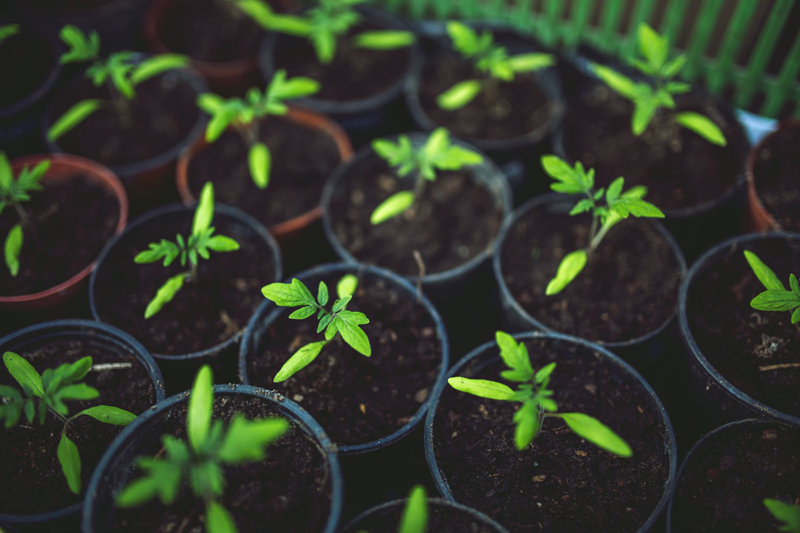
Trillium is a genus of about 40-50 species of perennial herbaceous flowering plants, native to temperate regions of North America and Asia. Its name derives from the fact that nearly all parts of this plant come in threes—3 leaves, 3 flower petals. In addition, the blooms of trillium may display one of three characteristics: upright, nodding, or drooping. Trilliums bloom in early spring and colors range from pink and maroon to yellow and white varieties.
White trillium or Wake robin (t. grandiflorum) is one of the most common of the trillium species, exhibiting nodding white blooms with wavy, dark green leaves. The flowers eventually age into bright pink blooms, and the entire plant goes dormant within a couple of months. Toadshade trillium (t. sessile) has red or purple colored flowers surrounded by maroon and green mottled leaves. The upright flowers barely open even during its peak blooming period. This trillium is easily recognized by its stalkless flowers. Toadshade is found in a variety of woods, commonly along rivers and streams. Yellow trillium or yellow wake robin (t. luteum) displays upright gold or bronze-green colored flowers on variegated green leaves. This species looks attractive when massed in a shaded woodland or wildflower garden and mixes well with other spring wildflowers and ferns. Yellow trillium emits a sweet citrus scent. This species is native to the American southeast. The Wake robin, also known as Stinking Benjamin (t. erectum), is native to the east and northeastern areas of the U.S. The flowers are deep red, and the plant takes its name, Wake robin, due to its likeness of robins, which have red breasts and come out in the spring. The flowers also have the smell of rotting meat.
Trilliums are native to cool, wooded areas in humus-rich soil. Composting may be necessary in the garden to achieve this same soil environment. These perennial plants, growing from rhizomes, are ideal for shade gardens or wooded wildflower gardens. Good growing companions for trillium include crested iris, jack-in-the-pulpit, hostas, toad lilies, and ferns. However, unless lucky enough to have these beauties growing naturally on your property, you should only obtain trilliums from nurseries that specialize in growing them. Do not collect any trillium from the wild as these are considered endangered in some areas. They are difficult to propagate and prone to dying if transplanted. Since trilliums die so easily when disturbed, it is illegal to pick trilliums in many areas such as Michigan, New York, Oregon, and Washington. All species of trillium are clump forming, and trillium seeds have a fleshy organ called an elaiosome that attracts ants; making it spread easily. Trillium plants are seldom affected by pest or disease problems.
White trillium or Wake robin (t. grandiflorum) is one of the most common of the trillium species, exhibiting nodding white blooms with wavy, dark green leaves. The flowers eventually age into bright pink blooms, and the entire plant goes dormant within a couple of months. Toadshade trillium (t. sessile) has red or purple colored flowers surrounded by maroon and green mottled leaves. The upright flowers barely open even during its peak blooming period. This trillium is easily recognized by its stalkless flowers. Toadshade is found in a variety of woods, commonly along rivers and streams. Yellow trillium or yellow wake robin (t. luteum) displays upright gold or bronze-green colored flowers on variegated green leaves. This species looks attractive when massed in a shaded woodland or wildflower garden and mixes well with other spring wildflowers and ferns. Yellow trillium emits a sweet citrus scent. This species is native to the American southeast. The Wake robin, also known as Stinking Benjamin (t. erectum), is native to the east and northeastern areas of the U.S. The flowers are deep red, and the plant takes its name, Wake robin, due to its likeness of robins, which have red breasts and come out in the spring. The flowers also have the smell of rotting meat.
Trilliums are native to cool, wooded areas in humus-rich soil. Composting may be necessary in the garden to achieve this same soil environment. These perennial plants, growing from rhizomes, are ideal for shade gardens or wooded wildflower gardens. Good growing companions for trillium include crested iris, jack-in-the-pulpit, hostas, toad lilies, and ferns. However, unless lucky enough to have these beauties growing naturally on your property, you should only obtain trilliums from nurseries that specialize in growing them. Do not collect any trillium from the wild as these are considered endangered in some areas. They are difficult to propagate and prone to dying if transplanted. Since trilliums die so easily when disturbed, it is illegal to pick trilliums in many areas such as Michigan, New York, Oregon, and Washington. All species of trillium are clump forming, and trillium seeds have a fleshy organ called an elaiosome that attracts ants; making it spread easily. Trillium plants are seldom affected by pest or disease problems.

Related Articles
Editor's Picks Articles
Top Ten Articles
Previous Features
Site Map
Content copyright © 2023 by Nikki Phipps. All rights reserved.
This content was written by Nikki Phipps. If you wish to use this content in any manner, you need written permission. Contact Gail Delaney for details.
