Wollhaus Artisan Yarns and Tools
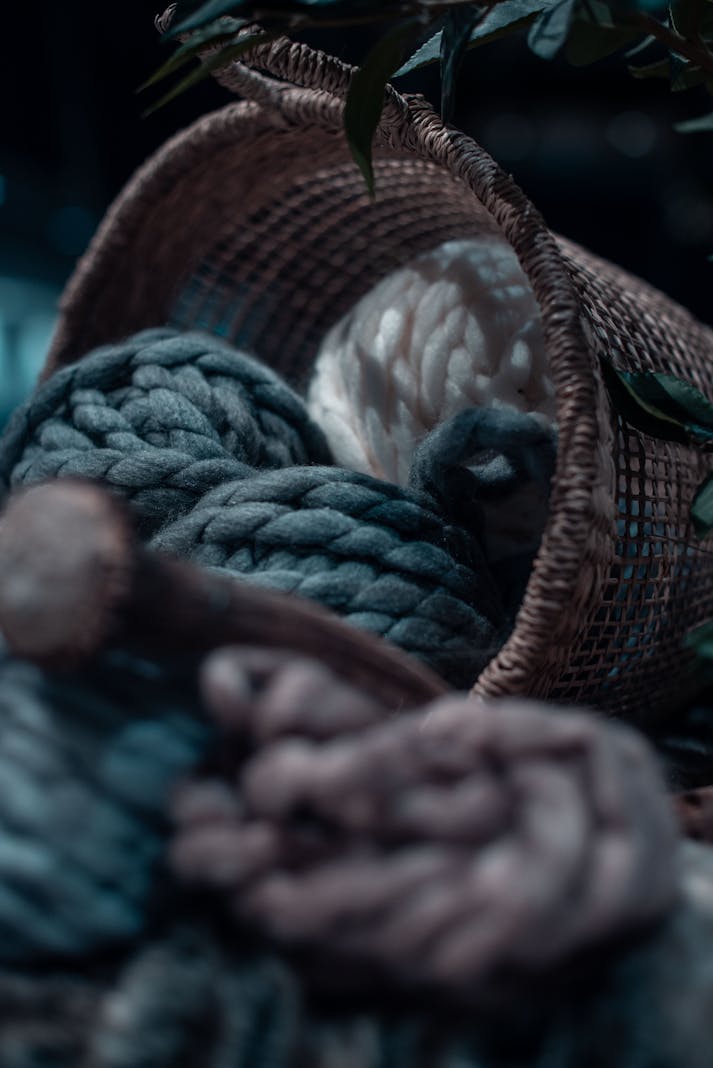
Warm climate knitters are an unusual breed. What kind of knitting can one wear when the temperatures rarely plummet below twenty degrees at night? As it turns out, quite a bit – some of the most innovative designers and practitioners are from Florida and Southern California. In the Pasadena area of Los Angeles County, a tiny Local Yarn Store called WollHaus offers workshops, community, and a wonderful assortment of yarns.
Owners Ulli Schober and Kathi Snodgrass took over Abuelita’s Knitting and Needlework in 2016, and changed the business so that it now caters to knitters and crocheters only. The store can be found in the courtyard of a historic building that includes two very popular Mexican restaurants and other small businesses, all of them independent ventures. There is parking off Green Street in the Arcade Lane parking lot; while this is paid parking, Wollhaus will validate for up to one hour.
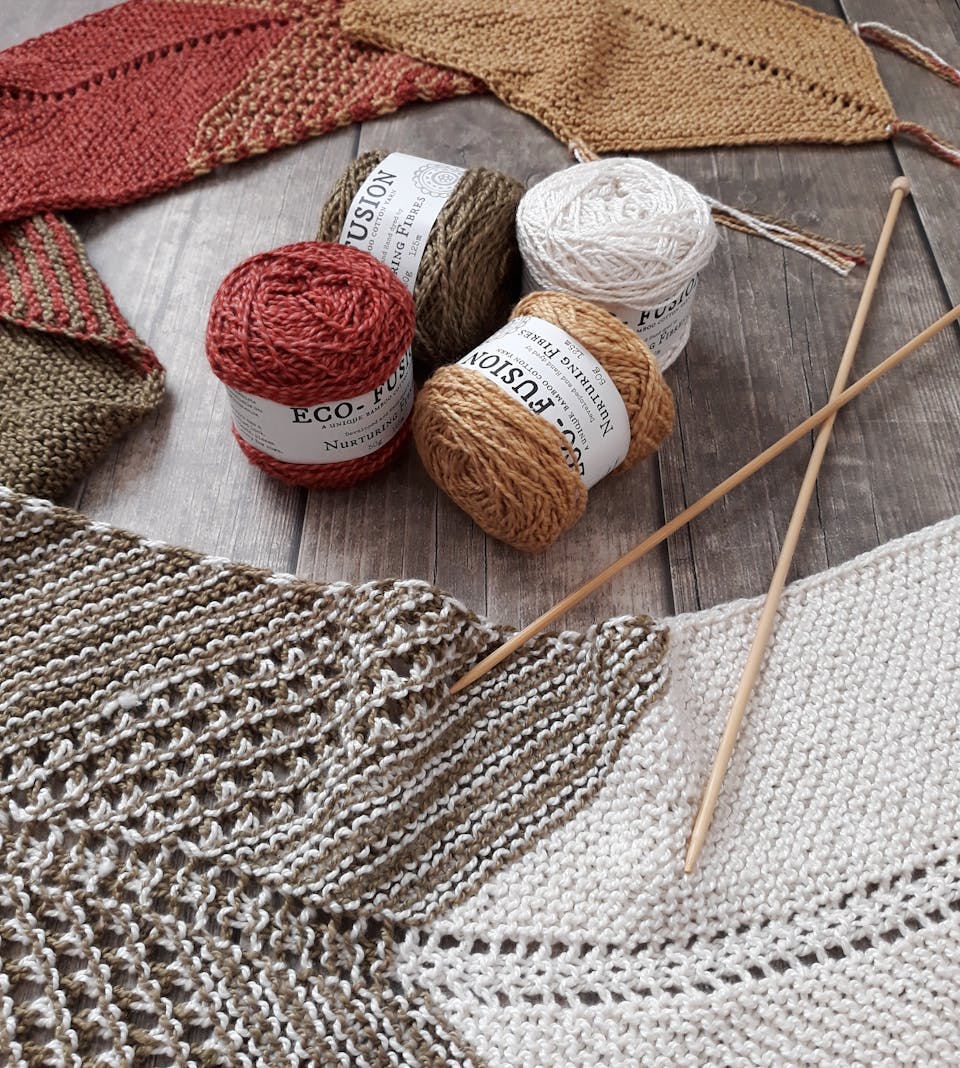
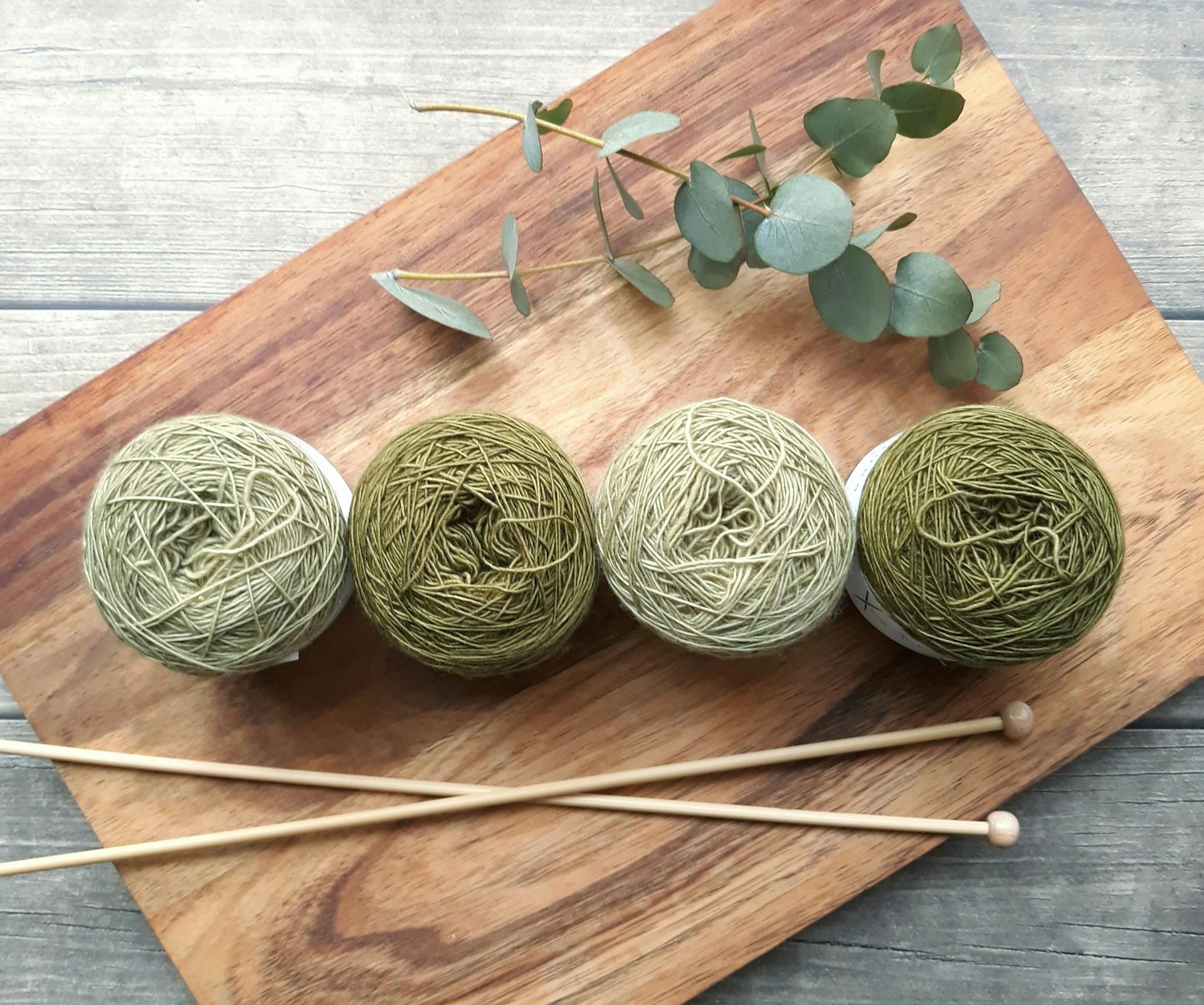
In a city known for its big box stores, a trip to Wollhaus and surrounding companies means supporting individual people and their families rather than large corporate interests. For the crafter, it also means being able to browse and purchase high quality materials. You won’t find the big-name, magazine rack publications here, but you will be able to buy issues of PomPom Quarterly, Making, and Amisisu, as well as pattern books by Kate Davies designs. Big-name yarn companies Berocco and Cascade are well represented here, but the store also stocks Brooklyn Tweed, Flying Kettle, and Knit Collage yarns. Knitters interested in fibers beyond wool will enjoy checking out the Ito and Shibui lines, both of which offer pure silk yarn. In a very small space, the store offers quite a bit of "knitspiration".
WollHaus takes its mission as a community builder very seriously. Bring a problematic project when you visit, and the staff will be happy to help. On Tuesdays and Thursdays, the store offers an “Open Table” from 6p-8p, where crafters can congregate and work together. Reservations are required for the Saturday Drop-In Classes , but once you show up you will be treated to an hour or two of specific attention on a project of your choice. In addition, the store offers workshops that focus either on specific items, such as sock knitting, or on specific projects, where you will learn or review techniques (such as short-rowing) when required. Knit-A-Longs are also scheduled; check the web page for dates and details.
Disclaimer: I am not affiliated with Wollhaus. I have paid for my own purchases there with my own funds.
Contact information:
695 E Colorado Boulevard, Suite 2, Pasadena, California, 626-799-0355, woolhaus.com
Owners Ulli Schober and Kathi Snodgrass took over Abuelita’s Knitting and Needlework in 2016, and changed the business so that it now caters to knitters and crocheters only. The store can be found in the courtyard of a historic building that includes two very popular Mexican restaurants and other small businesses, all of them independent ventures. There is parking off Green Street in the Arcade Lane parking lot; while this is paid parking, Wollhaus will validate for up to one hour.
In a city known for its big box stores, a trip to Wollhaus and surrounding companies means supporting individual people and their families rather than large corporate interests. For the crafter, it also means being able to browse and purchase high quality materials. You won’t find the big-name, magazine rack publications here, but you will be able to buy issues of PomPom Quarterly, Making, and Amisisu, as well as pattern books by Kate Davies designs. Big-name yarn companies Berocco and Cascade are well represented here, but the store also stocks Brooklyn Tweed, Flying Kettle, and Knit Collage yarns. Knitters interested in fibers beyond wool will enjoy checking out the Ito and Shibui lines, both of which offer pure silk yarn. In a very small space, the store offers quite a bit of "knitspiration".
WollHaus takes its mission as a community builder very seriously. Bring a problematic project when you visit, and the staff will be happy to help. On Tuesdays and Thursdays, the store offers an “Open Table” from 6p-8p, where crafters can congregate and work together. Reservations are required for the Saturday Drop-In Classes , but once you show up you will be treated to an hour or two of specific attention on a project of your choice. In addition, the store offers workshops that focus either on specific items, such as sock knitting, or on specific projects, where you will learn or review techniques (such as short-rowing) when required. Knit-A-Longs are also scheduled; check the web page for dates and details.
Disclaimer: I am not affiliated with Wollhaus. I have paid for my own purchases there with my own funds.
Contact information:
695 E Colorado Boulevard, Suite 2, Pasadena, California, 626-799-0355, woolhaus.com
You Should Also Read:
Yarns at the Adobe
Imaginiknits

Related Articles
Editor's Picks Articles
Top Ten Articles
Previous Features
Site Map
Content copyright © 2023 by Korie Beth Brown, Ph.D.. All rights reserved.
This content was written by Korie Beth Brown, Ph.D.. If you wish to use this content in any manner, you need written permission. Contact Korie Beth Brown, Ph.D. for details.