

Basil in the Garden
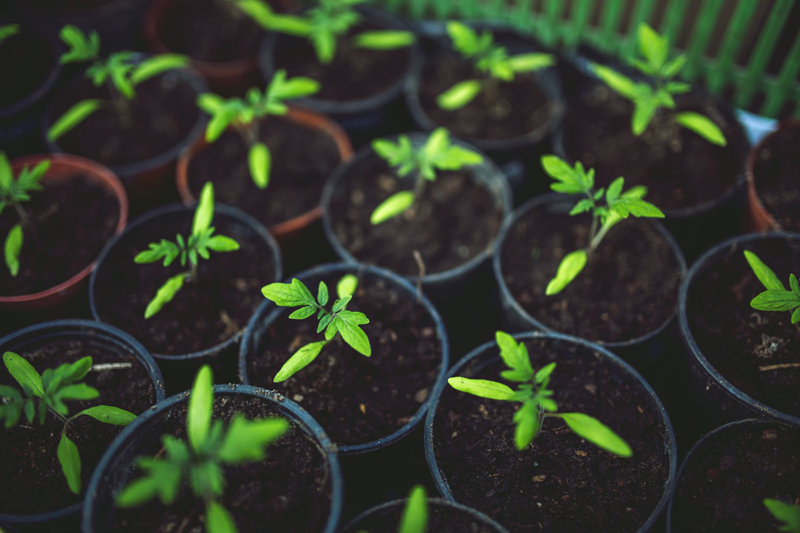
Basil is an easy herb to grow and it can grow to a height of at least 18 inches, but some can grow to three feet. The foliage is a purple or bronze color. If you choose to grow basil outdoors, grow it a tender annual that you will need to harvest at the end of the growing season. But if you grow basil in a pot indoors, you can have fresh basil all year long.
Basil Varieties
There are many different varieties of basil to choose from. It is important to keep the basil from flowering. This keeps the flavor at its best. To keep the basil from flowering, pinch off the top sets of leaves when the plant reaches 6-inches in height or when they have at least four sets of leaves. The flavor of the basil depends on the variety of the basil you plant. Lemon basil and Greek column basil has a hint of lemon, while Cinnamon basil has a cinnamon flavor. Napolitano and Genovese and Purple Ruffles basil are the varieties of basil used to make pesto.
If you want to grow the variety of basil that basil that grows well to grow in containers include, "Spicy Bush', 'Red Rubin', 'Osmin', and 'Boxwood' basil.
Use caution when harvesting the basil outdoors because the bees love the flowers. You don't want to get stung while picking the basil.
Growing Basil Outdoors
To grow basil outdoors you should prepare the soil in the fall or a month before you want to sow the seeds outdoors. Remove all the weeds and then dig or till the ground, and be sure to add compost and some well-rotted manure into the soil to make it lighter and to add nutrients. Also, pick out an area that receives at least 6 to 8 hours of sunlight per day.
Water the soil thoroughly before sowing the basil seeds.
Sow the seeds thinly over the ground after all danger of frost is past. You don't want the tender seedlings to be nipped by frost. Cover the seeds lightly with soil or compost. It takes about a week before the seeds germinate. Wait until the basil plants have 2 pairs of true leaves and then thin if needed.
Growing Basil in a Container
Sowing basil in a container, can be done at any time. Fill the pot with well-draining potting soil, or if you prefer, you can mix your own soil with equal amounts of soil or compost, peatmoss and perlite. Make sure the pots have adequate drainageWater each pot and then sow only two or three basil seeds per pot. Cover the seeds with a thin layer of compost and firm the soil gently. Mist the top soil to moisten. Cover the pots with plastic. Check the soil each day to make sure it is still moist. If you find mold growing over the top. Remove the plastic for several hours. The seeds should germinate in 7 days time. Thin out the weakest plants from each pot when the basil has 2 sets of true leaves. Leave the strongest plant in each pot.
Place the pots in a sunny window. If you decided to take the pots out during the summer time, place your pots in a sheltered area to protect it from winds.
You can use the basil either fresh or in dried form. I you want dry your basil, you can put it in a dehydrator or cut and hang bunches of it up to air dry in a warm room. After the basil is dry, remove the leaves from the stems and discard the stems. Store the dried leaves in an airtight container. They will keep fresh for up to a year.
Basil Varieties
There are many different varieties of basil to choose from. It is important to keep the basil from flowering. This keeps the flavor at its best. To keep the basil from flowering, pinch off the top sets of leaves when the plant reaches 6-inches in height or when they have at least four sets of leaves. The flavor of the basil depends on the variety of the basil you plant. Lemon basil and Greek column basil has a hint of lemon, while Cinnamon basil has a cinnamon flavor. Napolitano and Genovese and Purple Ruffles basil are the varieties of basil used to make pesto.
If you want to grow the variety of basil that basil that grows well to grow in containers include, "Spicy Bush', 'Red Rubin', 'Osmin', and 'Boxwood' basil.
Use caution when harvesting the basil outdoors because the bees love the flowers. You don't want to get stung while picking the basil.
Growing Basil Outdoors
To grow basil outdoors you should prepare the soil in the fall or a month before you want to sow the seeds outdoors. Remove all the weeds and then dig or till the ground, and be sure to add compost and some well-rotted manure into the soil to make it lighter and to add nutrients. Also, pick out an area that receives at least 6 to 8 hours of sunlight per day.
Water the soil thoroughly before sowing the basil seeds.
Sow the seeds thinly over the ground after all danger of frost is past. You don't want the tender seedlings to be nipped by frost. Cover the seeds lightly with soil or compost. It takes about a week before the seeds germinate. Wait until the basil plants have 2 pairs of true leaves and then thin if needed.
Growing Basil in a Container
Sowing basil in a container, can be done at any time. Fill the pot with well-draining potting soil, or if you prefer, you can mix your own soil with equal amounts of soil or compost, peatmoss and perlite. Make sure the pots have adequate drainageWater each pot and then sow only two or three basil seeds per pot. Cover the seeds with a thin layer of compost and firm the soil gently. Mist the top soil to moisten. Cover the pots with plastic. Check the soil each day to make sure it is still moist. If you find mold growing over the top. Remove the plastic for several hours. The seeds should germinate in 7 days time. Thin out the weakest plants from each pot when the basil has 2 sets of true leaves. Leave the strongest plant in each pot.
Place the pots in a sunny window. If you decided to take the pots out during the summer time, place your pots in a sheltered area to protect it from winds.
You can use the basil either fresh or in dried form. I you want dry your basil, you can put it in a dehydrator or cut and hang bunches of it up to air dry in a warm room. After the basil is dry, remove the leaves from the stems and discard the stems. Store the dried leaves in an airtight container. They will keep fresh for up to a year.

Related Articles
Editor's Picks Articles
Top Ten Articles
Previous Features
Site Map
Content copyright © 2023 by Gail Delaney. All rights reserved.
This content was written by Gail Delaney. If you wish to use this content in any manner, you need written permission. Contact Gail Delaney for details.
