

Starting Chives Indoors
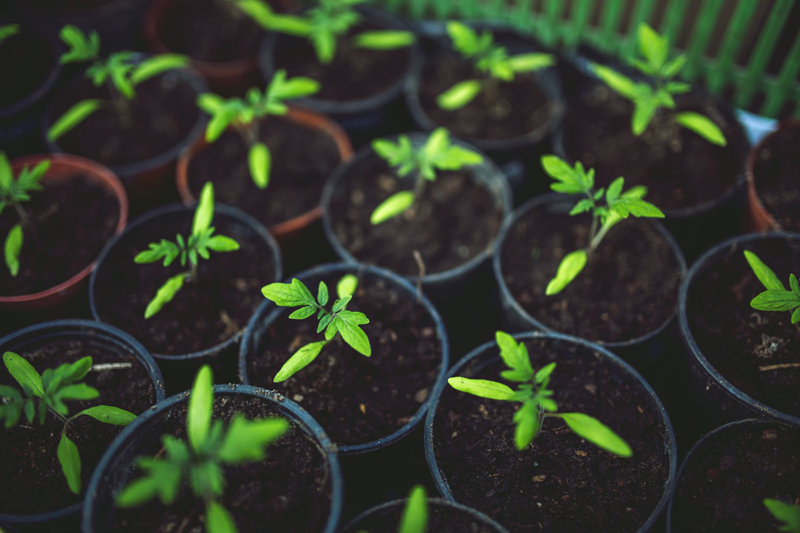
If you want an early start on growing your chives you can sow them them indoors beginning in March or at least 6 weeks before you'll want to plant them outdoors.
The Right Pot
Choose a pot or pots that are at least 18 inches in diameter and a foot deep. Fill the pot three fourths full with well-draining potting soil. Water the soil until water comes out of the drainage holes. Scatter the seeds over the top and then cover the seeds with a thin layer of soil. Mist the soil with water so it is moist.
Cover With Plastic
Place a plastic cover over the top of the pot. This helps the soil retain moisture so the seeds can germinate. Place the pot in an area where the temperature remains around 60 and 70 degrees F.
Check for Moisture
Check the pot for moisture daily and mist to keep the soil moist. If you see mold growing on top of the ground, remove the plastic for an hour. When the chives begin growing, you can continue to grow them under florescent lamps. Position the tops of the chive plants about two to four inches below the lights.
Indoor Help to Harden Plants Off
To help harden them for growing in the garden, have an oscillating fan blowing. Do not turn the fan to a high-speed or have it blowing directly on the chives. You just the air to move across the tops of the chives. Do this for at least two hours every day. This will reduce the shock on your plants when you set them outdoors, and it will give you shorter, sturdier chive plants.
When spring comes and the weather warms, you can transplant your chives into the soil. Keep the soil moist, by watering several times a week.
Preserving Chives
You can cut the chives as you need, but leave about a half-inch of the stem above ground. When the chives flower, that is the time to cut them back.
If you don't have a pot of chives growing on your indoor windowsill when the winter winds begin to blow, there are several ways to preserve them. Wash the chives and then place the chives into a plastic bag and stick them into the refrigerator. They will keep for 7 days.
Freeze the Chives
If you want to keep the chives longer, chop them up fine and place them in ice-cube trays. Put the ice-cube trays into the freezer. Once the chive cubes are frozen, place them in a resealable plastic bag and keep them in the freezer. When your recipe requires chives, simply pull out a chive cube and toss it into your food.
Dry the Chives
There are several different ways you can dry your chives, but this will result in a loss of flavor. You can dry the chives in a dehydrator set on the lowest setting. If you don't have a dehydrator, place the chopped chives in a single layer onto a cookie sheet.
Set the cookie sheet into a 100 degree F. oven. It will take about 4.5 hours to dry. You can also air dry the chopped chives. Place them on a cookie sheet and leave them to air dry for about 4 days. The length of time it takes to completely dry the chives depends on the amount of humidity in the air.
The Right Pot
Choose a pot or pots that are at least 18 inches in diameter and a foot deep. Fill the pot three fourths full with well-draining potting soil. Water the soil until water comes out of the drainage holes. Scatter the seeds over the top and then cover the seeds with a thin layer of soil. Mist the soil with water so it is moist.
Cover With Plastic
Place a plastic cover over the top of the pot. This helps the soil retain moisture so the seeds can germinate. Place the pot in an area where the temperature remains around 60 and 70 degrees F.
Check for Moisture
Check the pot for moisture daily and mist to keep the soil moist. If you see mold growing on top of the ground, remove the plastic for an hour. When the chives begin growing, you can continue to grow them under florescent lamps. Position the tops of the chive plants about two to four inches below the lights.
Indoor Help to Harden Plants Off
To help harden them for growing in the garden, have an oscillating fan blowing. Do not turn the fan to a high-speed or have it blowing directly on the chives. You just the air to move across the tops of the chives. Do this for at least two hours every day. This will reduce the shock on your plants when you set them outdoors, and it will give you shorter, sturdier chive plants.
When spring comes and the weather warms, you can transplant your chives into the soil. Keep the soil moist, by watering several times a week.
Preserving Chives
You can cut the chives as you need, but leave about a half-inch of the stem above ground. When the chives flower, that is the time to cut them back.
If you don't have a pot of chives growing on your indoor windowsill when the winter winds begin to blow, there are several ways to preserve them. Wash the chives and then place the chives into a plastic bag and stick them into the refrigerator. They will keep for 7 days.
Freeze the Chives
If you want to keep the chives longer, chop them up fine and place them in ice-cube trays. Put the ice-cube trays into the freezer. Once the chive cubes are frozen, place them in a resealable plastic bag and keep them in the freezer. When your recipe requires chives, simply pull out a chive cube and toss it into your food.
Dry the Chives
There are several different ways you can dry your chives, but this will result in a loss of flavor. You can dry the chives in a dehydrator set on the lowest setting. If you don't have a dehydrator, place the chopped chives in a single layer onto a cookie sheet.
Set the cookie sheet into a 100 degree F. oven. It will take about 4.5 hours to dry. You can also air dry the chopped chives. Place them on a cookie sheet and leave them to air dry for about 4 days. The length of time it takes to completely dry the chives depends on the amount of humidity in the air.

Related Articles
Editor's Picks Articles
Top Ten Articles
Previous Features
Site Map
Content copyright © 2023 by Gail Delaney. All rights reserved.
This content was written by Gail Delaney. If you wish to use this content in any manner, you need written permission. Contact Gail Delaney for details.
