

How to Remove Bag Worms
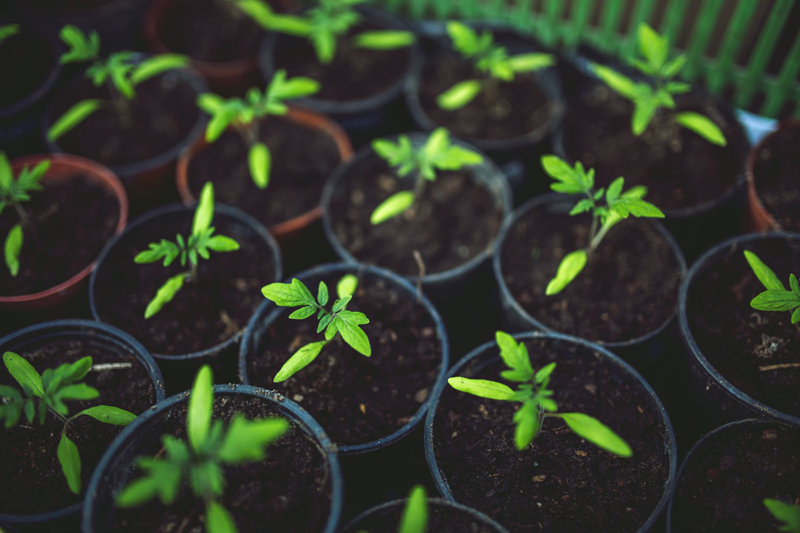
You wait through the long winter months for spring. That is the time that your fruit trees will burst into flower, with fruit following shortly after. It is the part of the season as you watch the weather, praying for no more frost. Frost can kill the blossoms that turn into fruit. This act of nature will cause your dreams of sinking your teeth into the yellow, juicy sweet tasting fruit to vanish.
The weather is kind and no frost. As you admire your fruit trees, you stop short. Oh no, that can't be . . . bag worms, codling moth caterpillars and wasps are after your fruit as well. It is time to stake your territory and remove these pests before your fruit is ruined.
First Signs
Early in the season, examine the stems of the pear tree for larvae sacks. These sacks are brown or gray in color. They will have a hard outer covering. These areas are removed by squishing them with your fingers. If you don't like the feeling of this against your skin, don a pair of gloves.
Webbing
If the sacs have developed into webbing, you can do several things. Grab the webbing with your hands or use a long stick. Squish any and all caterpillars you find. Place the webbing into a black plastic bag and kill the worms by stepping on them.
If you don't mind losing a branch, cut the infected part off the tree. Throw the branch away. Do not use it in your compost pile. The caterpillars can survive and you may be moving them from one part of the garden to another location.
You can place the branches into a pile and set them on fire or place the caterpillar infested branch into a black plastic bag. Tie the bag tightly closed and leave it out for the trash man to take away. Or take it to your local landfill
Another solution is to spray them with an insecticide that is safe to use on pear trees. Before you spray them, you have to break the webbing open with a stick. If you just spray the outside, only the bugs close to the outer exterior will die. The spray cannot penetrate through the layers of webbing, so the caterpillars on the inside will live.
Codling Moths
The codling moths will tunnel inside the fruit until they reach the core. There is nothing worse than picking a pear, wanting to take a bite and finding a worm has already tasted it for you. We can only hope that they enjoyed it.
Wasps
My pear trees are often bothered by wasps. There is nothing worse and more horrifying than picking a pear and finding a wasp flying out of it. There are several ways you can protect your pears against them. Try covering the pears with old nylon tights, or cut squares of muslin or horticultural fleece and tie it around the fruit. There are wasp traps that hang in the tree. The traps will catch the wasps before they can do damage to your pears.
The weather is kind and no frost. As you admire your fruit trees, you stop short. Oh no, that can't be . . . bag worms, codling moth caterpillars and wasps are after your fruit as well. It is time to stake your territory and remove these pests before your fruit is ruined.
First Signs
Early in the season, examine the stems of the pear tree for larvae sacks. These sacks are brown or gray in color. They will have a hard outer covering. These areas are removed by squishing them with your fingers. If you don't like the feeling of this against your skin, don a pair of gloves.
Webbing
If the sacs have developed into webbing, you can do several things. Grab the webbing with your hands or use a long stick. Squish any and all caterpillars you find. Place the webbing into a black plastic bag and kill the worms by stepping on them.
If you don't mind losing a branch, cut the infected part off the tree. Throw the branch away. Do not use it in your compost pile. The caterpillars can survive and you may be moving them from one part of the garden to another location.
You can place the branches into a pile and set them on fire or place the caterpillar infested branch into a black plastic bag. Tie the bag tightly closed and leave it out for the trash man to take away. Or take it to your local landfill
Another solution is to spray them with an insecticide that is safe to use on pear trees. Before you spray them, you have to break the webbing open with a stick. If you just spray the outside, only the bugs close to the outer exterior will die. The spray cannot penetrate through the layers of webbing, so the caterpillars on the inside will live.
Codling Moths
The codling moths will tunnel inside the fruit until they reach the core. There is nothing worse than picking a pear, wanting to take a bite and finding a worm has already tasted it for you. We can only hope that they enjoyed it.
Wasps
My pear trees are often bothered by wasps. There is nothing worse and more horrifying than picking a pear and finding a wasp flying out of it. There are several ways you can protect your pears against them. Try covering the pears with old nylon tights, or cut squares of muslin or horticultural fleece and tie it around the fruit. There are wasp traps that hang in the tree. The traps will catch the wasps before they can do damage to your pears.

Related Articles
Editor's Picks Articles
Top Ten Articles
Previous Features
Site Map
Content copyright © 2023 by Gail Delaney. All rights reserved.
This content was written by Gail Delaney. If you wish to use this content in any manner, you need written permission. Contact Gail Delaney for details.
