

Growing Shrubs in Containers
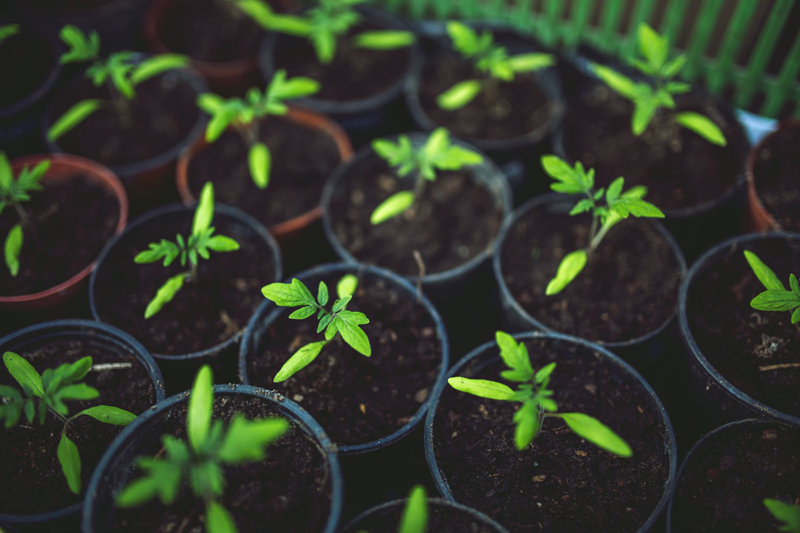
Normally you find shrubs growing in the ground. They divide property lines, add dimension to a landscape, and provide a home and food for birds.
Which Shrub to Pick
There are many different varieties of shrubs to choose from, but when choosing, think about buying dwarf shrub variety. People grow wisteria, boxwood or lilacs in containers and they work very well. These are all slow-growing shrubs and they do better in containers than the fast growing ones. Although you can use fast growing shrubs, you will need to transplant them into a bigger pot more often. They will also need more pruning than the slower growing varieties.
You can grow almost any variety of shrub in a container. Because you don't
leave them outdoors during the winter months, you won't have to worry about them freezing. But if you choose to grow a shrub and your pot is too heavy to bring indoors, then make sure that the variety you choose is hardy for one zone colder, than where you are living.
If you are going to move the shrub into a protected area, or in the house, it is a good idea to put the pot onto a plant stand with wheels. Your pot may feel light, but once it is filled with soil and a shrub, it will be very heavy.
Prepare The Pots
Fill the pots with potting soil. You can purchase the potting soil, or mix your own. Mix equal amounts of compost, soil, peatmoss, and perlite together. If you don't plan on moving your pot, then put the pot in place before you begin filling it with soil.
Make sure that the pot you choose has drainage holes in the bottom. If yours does not, you will need to drill them. Add some of the potting soil into the pot. When planting a shrub in a container, do not plant the shrub deeper than it is originally growing.
Add some soil into the bottom of the pot. Place the shrubs root ball into the pot to test for depth. If the top of your shrub's soil ball is at least a half-inch to one-inch below the pots rim, you have enough soil added at the bottom of the pot. Fill in around the shrub's soil ball with potting soil.
Caring for Your Shrub
It is important to water your shrub before it starts to wilt. When shrubs are growing in a pot, they require regular watering. When you water, it the water must go down to the bottom of the pot, so water until it comes out the bottom drainage holes. Every 2 weeks, apply a complete fertilizer during the active growing season. Move your shrub into the house if it is a tropical shrub before the frost. If your shrub is borderline hardy in your area, move the potted shrub into a garage, shed or protected area.
If at some point you want to move your shrub to another location, do so gradually. A drastic move can cause undue stress to your shrub and injure your shrub.
Which Shrub to Pick
There are many different varieties of shrubs to choose from, but when choosing, think about buying dwarf shrub variety. People grow wisteria, boxwood or lilacs in containers and they work very well. These are all slow-growing shrubs and they do better in containers than the fast growing ones. Although you can use fast growing shrubs, you will need to transplant them into a bigger pot more often. They will also need more pruning than the slower growing varieties.
You can grow almost any variety of shrub in a container. Because you don't
leave them outdoors during the winter months, you won't have to worry about them freezing. But if you choose to grow a shrub and your pot is too heavy to bring indoors, then make sure that the variety you choose is hardy for one zone colder, than where you are living.
If you are going to move the shrub into a protected area, or in the house, it is a good idea to put the pot onto a plant stand with wheels. Your pot may feel light, but once it is filled with soil and a shrub, it will be very heavy.
Prepare The Pots
Fill the pots with potting soil. You can purchase the potting soil, or mix your own. Mix equal amounts of compost, soil, peatmoss, and perlite together. If you don't plan on moving your pot, then put the pot in place before you begin filling it with soil.
Make sure that the pot you choose has drainage holes in the bottom. If yours does not, you will need to drill them. Add some of the potting soil into the pot. When planting a shrub in a container, do not plant the shrub deeper than it is originally growing.
Add some soil into the bottom of the pot. Place the shrubs root ball into the pot to test for depth. If the top of your shrub's soil ball is at least a half-inch to one-inch below the pots rim, you have enough soil added at the bottom of the pot. Fill in around the shrub's soil ball with potting soil.
Caring for Your Shrub
It is important to water your shrub before it starts to wilt. When shrubs are growing in a pot, they require regular watering. When you water, it the water must go down to the bottom of the pot, so water until it comes out the bottom drainage holes. Every 2 weeks, apply a complete fertilizer during the active growing season. Move your shrub into the house if it is a tropical shrub before the frost. If your shrub is borderline hardy in your area, move the potted shrub into a garage, shed or protected area.
If at some point you want to move your shrub to another location, do so gradually. A drastic move can cause undue stress to your shrub and injure your shrub.

Related Articles
Editor's Picks Articles
Top Ten Articles
Previous Features
Site Map
Content copyright © 2023 by Gail Delaney. All rights reserved.
This content was written by Gail Delaney. If you wish to use this content in any manner, you need written permission. Contact Gail Delaney for details.
