

How to Porpagate an Asian Pear Tree
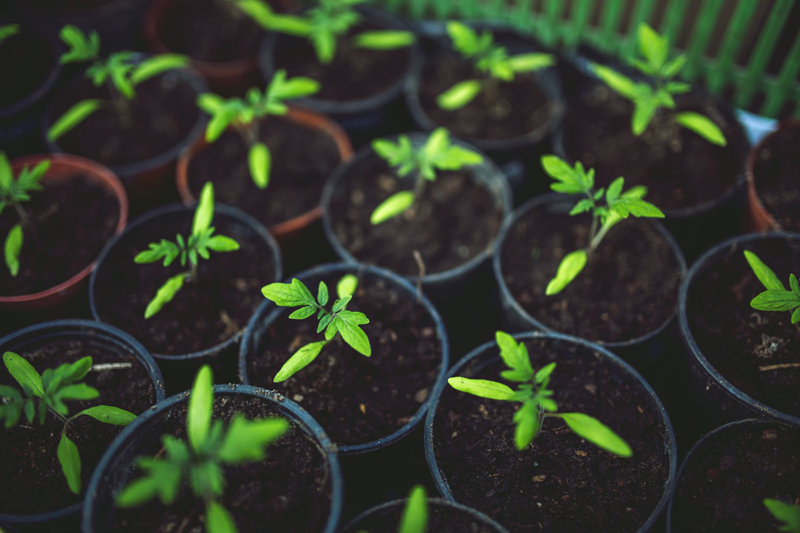
Asian pear trees are hardy in the USDA zones 4 through 9. The Asian pears also known as apple pears are golden yellow to yellow-brown fruit. When the fruit ripens, and picked right off the tree, it tastes delicious.
Gather the Seeds
If you want to grow an Asian pear tree for your very own, all you need is some seed. No need to buy a tree from the nursery, unless you want fruit in a shorter amount of time. Also, there is no need to buy the seed in which to plant your tree. All you have to do is but an Asian pear at your local grocery store and enjoy the sweet juicy fruit. Remove the seeds from the middle and throw the rest into your compost pile. If your grocery store does not have Asian pears, you can buy the seeds on-line.
Fill a bowl with water, so you can wash the seeds to remove the pulp. Grab a paper towel and fold it in half. With a sprayer, wet the paper towel, until it is damp. You don't want the paper towel to be dripping wet, only just moistened. Lay the pear seeds on half of the folded paper towel. Fold the paper towel to cover the seeds and stick this inside a resealable bag. Close the bag and place it inside the refrigerator. The seeds need to be stratified before they will germinate. This is an easy way to stratify the seeds and keep an eye on them. Check the paper towel at least once a month to make sure it is still moist. If the paper towel is dried out, spray it again with water.
Prepare the Pots
Keep the seeds in the refrigerator for three to four months. After the stratification period has elapsed, it is time to plant the seeds into 4-inch pots. Line each pot with a coffee filter before you add the potting soil. This keeps the soil in the pot every time you water. Fill as many pots as you have seeds to plant, with potting soil.
Plant the Seed
Pick up one seed and place it in the center of the pot. With your finger, push the seed so it is about a ¼ inch below the soil's surface. Cover the seed with soil and firm the soil lightly with your fingers.
Water the pots thoroughly. You can pour water in, but this can make a big hole in the soil. A better way is to fill a container with water and then set the pots in the container to soak. When you see that the top of the soil is visibly wet, remove the pots and allow them to drain.
It is important for the seeds to have constant humidity so they will germinate. To help with this, cover the pots with a sheet of plastic, or place the pots in a plastic bag. Set them in a warm, rather dimly lit location. The top of a refrigerator will provide you with both.
It may take a month or longer for seeds to germinate, so patience is important. Check the soil daily, or every other day for moisture. Do not allow the soil to dry out, but don't keep it soggy wet either. Sprinkle enough water on the soil to keep it evenly moist.
When the seeds germinate, remove the plastic and set the pots in a sunny window. Transplant the seedlings when they are at least 6 inches tall and all danger of frost is past.
Gather the Seeds
If you want to grow an Asian pear tree for your very own, all you need is some seed. No need to buy a tree from the nursery, unless you want fruit in a shorter amount of time. Also, there is no need to buy the seed in which to plant your tree. All you have to do is but an Asian pear at your local grocery store and enjoy the sweet juicy fruit. Remove the seeds from the middle and throw the rest into your compost pile. If your grocery store does not have Asian pears, you can buy the seeds on-line.
Fill a bowl with water, so you can wash the seeds to remove the pulp. Grab a paper towel and fold it in half. With a sprayer, wet the paper towel, until it is damp. You don't want the paper towel to be dripping wet, only just moistened. Lay the pear seeds on half of the folded paper towel. Fold the paper towel to cover the seeds and stick this inside a resealable bag. Close the bag and place it inside the refrigerator. The seeds need to be stratified before they will germinate. This is an easy way to stratify the seeds and keep an eye on them. Check the paper towel at least once a month to make sure it is still moist. If the paper towel is dried out, spray it again with water.
Prepare the Pots
Keep the seeds in the refrigerator for three to four months. After the stratification period has elapsed, it is time to plant the seeds into 4-inch pots. Line each pot with a coffee filter before you add the potting soil. This keeps the soil in the pot every time you water. Fill as many pots as you have seeds to plant, with potting soil.
Plant the Seed
Pick up one seed and place it in the center of the pot. With your finger, push the seed so it is about a ¼ inch below the soil's surface. Cover the seed with soil and firm the soil lightly with your fingers.
Water the pots thoroughly. You can pour water in, but this can make a big hole in the soil. A better way is to fill a container with water and then set the pots in the container to soak. When you see that the top of the soil is visibly wet, remove the pots and allow them to drain.
It is important for the seeds to have constant humidity so they will germinate. To help with this, cover the pots with a sheet of plastic, or place the pots in a plastic bag. Set them in a warm, rather dimly lit location. The top of a refrigerator will provide you with both.
It may take a month or longer for seeds to germinate, so patience is important. Check the soil daily, or every other day for moisture. Do not allow the soil to dry out, but don't keep it soggy wet either. Sprinkle enough water on the soil to keep it evenly moist.
When the seeds germinate, remove the plastic and set the pots in a sunny window. Transplant the seedlings when they are at least 6 inches tall and all danger of frost is past.

Related Articles
Editor's Picks Articles
Top Ten Articles
Previous Features
Site Map
Content copyright © 2023 by Gail Delaney. All rights reserved.
This content was written by Gail Delaney. If you wish to use this content in any manner, you need written permission. Contact Gail Delaney for details.
