

How to Rid Your Lawn of Acorns
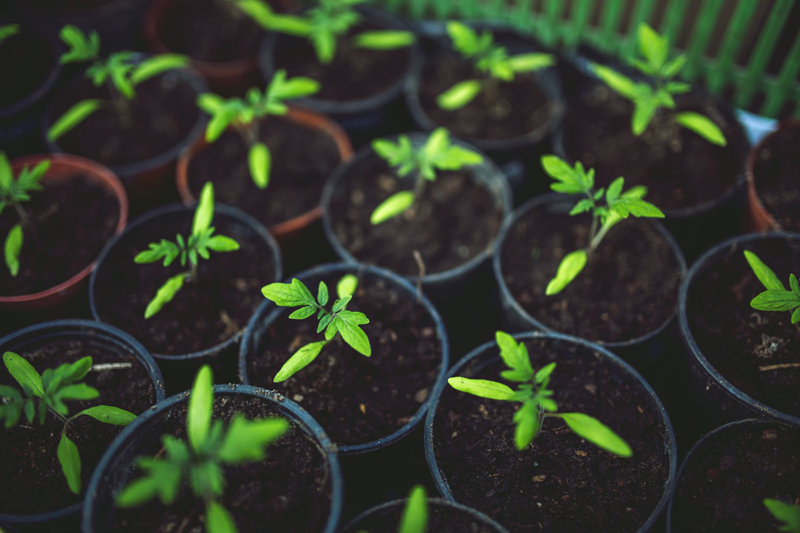
Acorns fall from oak trees. If you are a squirrel, this is a good thing. It means you will have food for the winter months, but many homeowners don't share in that happiness. They see all the extra work needed to pick up the fallen acorns or acorns that may have germinated. Oak trees don't produce acorns until they are about 20 years old. There are some ways to make the cleaning up of those acorns easier. It is possible to do this without wrecking your lawn or spending a lot of time removing the acorns from your lawn.
If you don't have anything planted under the tree, place a tarp or sheet below the tree to catch the acorns as they fall. Be sure to put some bricks onto the tarp so the wind doesn't pick it up and blow it away. This way, pick up the corners of the sheet or tarp and dump the acorns into a box or bag. If you have grass or flowers growing under your acorn tree, you can't cover the area with a tarp. You can pick up the acorns as they fall off the tree.
This method will work if you don't have many acorns to begin with or you have a lot of time and like to be outdoors. But for most of us, we don't have that option of bare earth under our trees. If you have many acorns to pick up, use a leaf rake to pile them up. Once you have them in a pile, take a shovel and scoop them into a bucket, box or bag. Should you happen to miss some, and it is entirely possible, don't worry about it because the squirrels will pick up what you missed.
Blow the Acorns Into a Pile
If you have a leaf blower, you can use that. The acorns are round green balls and they will roll. Simply aim the leaf blower nozzle at the acorns and blow them through the lawn and into a pile. If you pile them onto the sidewalk or street, it will be easier to shovel them into a bag. Leave the bag out for your trash collector to pick up and dispose of for you. You don't want to add these to your compost pile, because you will be helping to germinate the acorns.
Vacuum the Acorns Up
If you want something even easier, vacuum the acorns off the lawn. Of course your shop vac needs a wide hose, but you can remove them from the lawn without hurting yourself. If your shop vac does not have a wide hose, you can still vacuum them up. The suction will keep it on the end of the hose. Lift up the hose end and pick off the acorn and dump it into your container. Empty the debris into a bag and throw it away in the trash.
Pull Them Out of the Ground
If you have acorns that have germinated and sprouted in the lawn, you can pull the small trees out of the grass. If the tap root is deep or the ground is really dry, water the area before you try pulling the small trees out of the ground. Once again, throw the small trees away, unless you have one of those tree branch grinder/composter things.
Sometimes they seem to multiply quicker before you can pull them out of the ground. If this happens or you have trouble bending down, or perhaps you don't have the strength to pull them out, then mow the small oak trees down. By continually mowing them, they will run out of energy and die.
Spray Them
One other alternative is to spray the sprouted acorns with an herbicide that is safe for lawns. When using an herbicide, read all label directions and apply accordingly.
Of course, sometimes the acorns are planted in the right location. Maybe those squirrels are landscapers in disguise. These you can leave to grow and you'll have a beautiful tree with no effort on your part. If you want the tree but in a different spot, they are easy to dig out of the ground and can be transplanted into the area of your choice.
If you don't have anything planted under the tree, place a tarp or sheet below the tree to catch the acorns as they fall. Be sure to put some bricks onto the tarp so the wind doesn't pick it up and blow it away. This way, pick up the corners of the sheet or tarp and dump the acorns into a box or bag. If you have grass or flowers growing under your acorn tree, you can't cover the area with a tarp. You can pick up the acorns as they fall off the tree.
This method will work if you don't have many acorns to begin with or you have a lot of time and like to be outdoors. But for most of us, we don't have that option of bare earth under our trees. If you have many acorns to pick up, use a leaf rake to pile them up. Once you have them in a pile, take a shovel and scoop them into a bucket, box or bag. Should you happen to miss some, and it is entirely possible, don't worry about it because the squirrels will pick up what you missed.
Blow the Acorns Into a Pile
If you have a leaf blower, you can use that. The acorns are round green balls and they will roll. Simply aim the leaf blower nozzle at the acorns and blow them through the lawn and into a pile. If you pile them onto the sidewalk or street, it will be easier to shovel them into a bag. Leave the bag out for your trash collector to pick up and dispose of for you. You don't want to add these to your compost pile, because you will be helping to germinate the acorns.
Vacuum the Acorns Up
If you want something even easier, vacuum the acorns off the lawn. Of course your shop vac needs a wide hose, but you can remove them from the lawn without hurting yourself. If your shop vac does not have a wide hose, you can still vacuum them up. The suction will keep it on the end of the hose. Lift up the hose end and pick off the acorn and dump it into your container. Empty the debris into a bag and throw it away in the trash.
Pull Them Out of the Ground
If you have acorns that have germinated and sprouted in the lawn, you can pull the small trees out of the grass. If the tap root is deep or the ground is really dry, water the area before you try pulling the small trees out of the ground. Once again, throw the small trees away, unless you have one of those tree branch grinder/composter things.
Sometimes they seem to multiply quicker before you can pull them out of the ground. If this happens or you have trouble bending down, or perhaps you don't have the strength to pull them out, then mow the small oak trees down. By continually mowing them, they will run out of energy and die.
Spray Them
One other alternative is to spray the sprouted acorns with an herbicide that is safe for lawns. When using an herbicide, read all label directions and apply accordingly.
Of course, sometimes the acorns are planted in the right location. Maybe those squirrels are landscapers in disguise. These you can leave to grow and you'll have a beautiful tree with no effort on your part. If you want the tree but in a different spot, they are easy to dig out of the ground and can be transplanted into the area of your choice.

Related Articles
Editor's Picks Articles
Top Ten Articles
Previous Features
Site Map
Content copyright © 2023 by Gail Delaney. All rights reserved.
This content was written by Gail Delaney. If you wish to use this content in any manner, you need written permission. Contact Gail Delaney for details.
