

Growing Bigger Onions
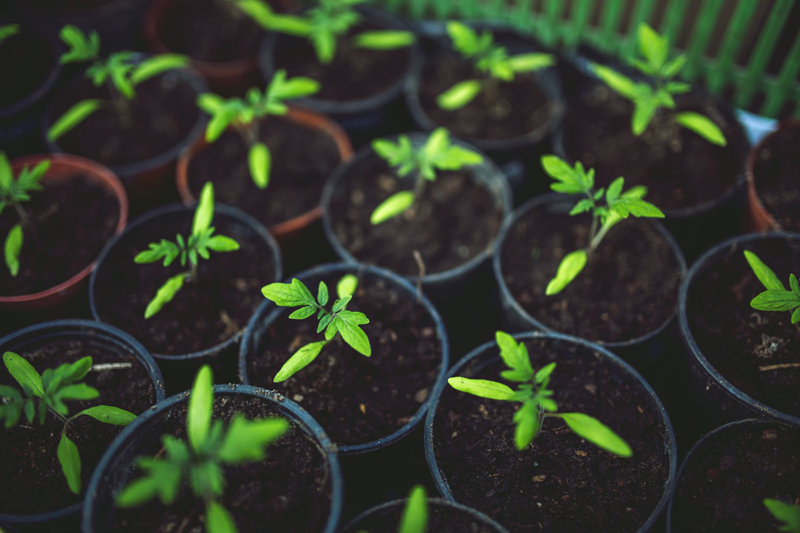
Onions. Onions are grown in almost every home garden. They are one of those versatile vegetables that are used to add crunch and flavor to most recipes. They are eaten alone, in a sandwich or dipped in a batter to make deep-fried onion rings. But it is hard to make onion rings or use them for sandwiches if they are small. If you want to grow onions that are as big as those you buy at the grocery store, this article will give you with some information to insure your success.
Choose The Right Location
Onions need 14 to 16 hours of sunlight per day. When preparing your garden area, keep this in mind. Also, till or dig up the garden area working the soil until it is soft and free of clumps. The ideal depth that the soil should be tilled to is 12 inches. It is important to amend the soil with 3 to 4 inches of compost. Onions cannot grow if the soil is hard and unyielding, unless you are only trying to grow table onions.
Prepare The Garden
Once the garden area is tilled it is time to sort your onion bulbs. Dump them the onions out and begin sorting them into two separate piles. In one pile put all the small onions. If the onion bulbs are smaller than a dime, put them in one pile. Put all the others into the other pile. Contrary to what you may think, plant the small onions to grow the bigger heads. The bigger heads are often grown, pulled and eaten as table onions.
Try not to walk over the soil where you are going to plant the onions. You don't want to compact the ground and make it hard. Pick up and onion bulb and examine it. The pointy end is the top of the onion. The flatter end is where the roots emerge and this end is what goes into the ground first.
Planting The Onion Bulbs
Onions should be planted with 4-inches of space between each one. Leave 12 inches of space between each row. So you don't compact the soil, lay a board onto the soil and walk along that. When planting the onions, so do bury them, unless you want small onions at the end of the season. Also, have the onion rows going in the same direction. This allows the air to circulate through the onion bed, reducing your risk of blight.
Keep The Area Weeded
Remove and pull any weeds that are growing in the onion bed. Onions and weeds do not grow well together because weeds soak up the moisture and nutrients that the onions need to grow.
Throughout the season, use a garden rake or hoe on the soil. This keeps the ground loose and allows the onions to grow and expand.
Provide Adequate Water
To grow big onions, they need a lot of water. For big onions, provide at least an inch of water every week. The onions will need some fertilizer when they are about 6-inches tall. A general all-purpose vegetable fertilizer works well as long as you mix and apply to the onion bed as directed. Too much fertilizer will burn the onions and you don't want this to happen. Fertilize a second time when the bulbs are starting to grow.
Pests and Blight
Some things to watch for as the onions are growing are onion thrips and blight. Onion thrips are tiny, light brown insects only just visible with the naked eye. They like to eat onion leaves and suck the liberated juices. If you notice any onion thrips spray the plants with an insecticide made to be used on onions.
If your onion leaves change from a healthy green to a pale green, then to yellow and purple, this is an indication that your onions have blight. The leaves will have purple lesions on the leaves. To control blight, spray the onion plants with a multipurpose fungicide. Mix and apply the fungicide according to label directions.
Harvesting and Drying
When the tops fall over and become dry, it is time to harvest them. Do not harvest them after rainy weather or they won't dry out as well. Choose a sunny day to pull them out of the ground. Brush the dirt from the bulbs and leave them in a sunny location to dry for a day or two. Place the onions on a screen if you have one or on top of a table.
After they have dried outdoors for two days, put them in a shady, warm location that is well-ventilated to finish drying or curing. A porch works well. If the weather turns rainy they will have protection. Turn the onions to ensure that all sides have equal drying time. Leave them to dry for two to three weeks. Store the onions in a cool, dry place.
Choose The Right Location
Onions need 14 to 16 hours of sunlight per day. When preparing your garden area, keep this in mind. Also, till or dig up the garden area working the soil until it is soft and free of clumps. The ideal depth that the soil should be tilled to is 12 inches. It is important to amend the soil with 3 to 4 inches of compost. Onions cannot grow if the soil is hard and unyielding, unless you are only trying to grow table onions.
Prepare The Garden
Once the garden area is tilled it is time to sort your onion bulbs. Dump them the onions out and begin sorting them into two separate piles. In one pile put all the small onions. If the onion bulbs are smaller than a dime, put them in one pile. Put all the others into the other pile. Contrary to what you may think, plant the small onions to grow the bigger heads. The bigger heads are often grown, pulled and eaten as table onions.
Try not to walk over the soil where you are going to plant the onions. You don't want to compact the ground and make it hard. Pick up and onion bulb and examine it. The pointy end is the top of the onion. The flatter end is where the roots emerge and this end is what goes into the ground first.
Planting The Onion Bulbs
Onions should be planted with 4-inches of space between each one. Leave 12 inches of space between each row. So you don't compact the soil, lay a board onto the soil and walk along that. When planting the onions, so do bury them, unless you want small onions at the end of the season. Also, have the onion rows going in the same direction. This allows the air to circulate through the onion bed, reducing your risk of blight.
Keep The Area Weeded
Remove and pull any weeds that are growing in the onion bed. Onions and weeds do not grow well together because weeds soak up the moisture and nutrients that the onions need to grow.
Throughout the season, use a garden rake or hoe on the soil. This keeps the ground loose and allows the onions to grow and expand.
Provide Adequate Water
To grow big onions, they need a lot of water. For big onions, provide at least an inch of water every week. The onions will need some fertilizer when they are about 6-inches tall. A general all-purpose vegetable fertilizer works well as long as you mix and apply to the onion bed as directed. Too much fertilizer will burn the onions and you don't want this to happen. Fertilize a second time when the bulbs are starting to grow.
Pests and Blight
Some things to watch for as the onions are growing are onion thrips and blight. Onion thrips are tiny, light brown insects only just visible with the naked eye. They like to eat onion leaves and suck the liberated juices. If you notice any onion thrips spray the plants with an insecticide made to be used on onions.
If your onion leaves change from a healthy green to a pale green, then to yellow and purple, this is an indication that your onions have blight. The leaves will have purple lesions on the leaves. To control blight, spray the onion plants with a multipurpose fungicide. Mix and apply the fungicide according to label directions.
Harvesting and Drying
When the tops fall over and become dry, it is time to harvest them. Do not harvest them after rainy weather or they won't dry out as well. Choose a sunny day to pull them out of the ground. Brush the dirt from the bulbs and leave them in a sunny location to dry for a day or two. Place the onions on a screen if you have one or on top of a table.
After they have dried outdoors for two days, put them in a shady, warm location that is well-ventilated to finish drying or curing. A porch works well. If the weather turns rainy they will have protection. Turn the onions to ensure that all sides have equal drying time. Leave them to dry for two to three weeks. Store the onions in a cool, dry place.

Related Articles
Editor's Picks Articles
Top Ten Articles
Previous Features
Site Map
Content copyright © 2023 by Gail Delaney. All rights reserved.
This content was written by Gail Delaney. If you wish to use this content in any manner, you need written permission. Contact Gail Delaney for details.
