

Jade Plant Care
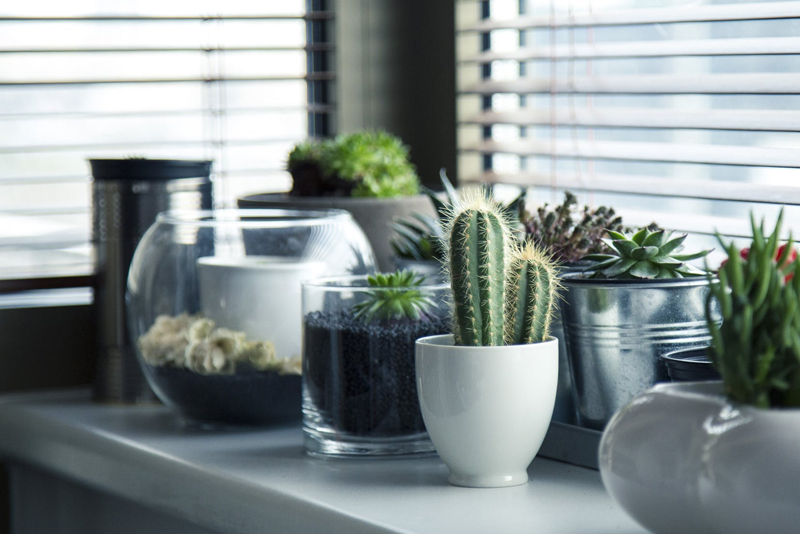
Jade plant, also known as Money Plant, Friendship Tree, and Lucky Plant, is a member of the Crassula family, a group of succulent plants found in Africa and around the world. Jade is known for its fleshy, rich green leaves and thick woody stems. It’s a favorite for bonsai enthusiasts although when grown outdoors jade can reach to heights of 3 feet or more. The leaves get a lovely reddish glow on their edges when grown in full sun, adding to the plant’s beauty.
Care
Because the plant is a succulent, it does not need to be watered often. Water only when the soil is dry and fertilize once a month during the growing season, which is the late fall and early winter months. If the plant begins to drop leaves around this time, don’t be alarmed. This is normal behavior as the plant prepares for its growth period. Occasionally if conditions are ideal it will bloom, displaying small pink or white flowers. To encourage blooming, being withholding water around the time of the first frost and keep the plant in a cool location. After a few weeks begin watering again but let the soil dry out between waterings.
Jade plants are generally easy care. Larger specimens benefit from pruning, which should be done in the sprint. Simply cut stems back to a lateral branch. This encourages stronger, thicker trunks and root growth. The cut ends with scab over and new growth will appear in a few weeks. The leaves from the cuttings can be rooted and turned into new plants. Jade plants are one of the very easiest houseplants to root. Sometimes a leaf will fall to the soil surface and root on its own but they can also be cut from the stem, set aside to dry for a few days, and rooted in or out of soil. They prefer a well draining soil that mimics the rocky hillsides they are native to in the wild.
Pests and Problems
Unfortunately Jade plants are highly susceptible to mealy bugs. They look like tuffs of cotton fluff and are found where the leaves meet the stem and on the undersides of the leaves. Sometimes they can be found on the roots as well. To treat, use a cotton swap soaked in rubbing alcohol to remove and repeat for several weeks to catch any eggs that may hatch. If kept in conditions that are too hot and dry, spider mites can be a problem. To treat, increase humidity. Jades are very sensitive to pesticides and may react by dropping leaves or showing damage to them, so it’s best to avoid them and use natural solutions like Neem oil and rubbing alcohol.
Jades also have little tolerance for cold temperatures or extreme heat or sun. Overexposure to heat or sun may result in sun burned leaves while cold temps will cause leaf drop. Jades also don’t handle overwatering well. The leaves will shrivel and fall.
Jades are beautiful plants with lots of visual interest. They are easy to care for and will enhance any sunny window or container.
Care
Because the plant is a succulent, it does not need to be watered often. Water only when the soil is dry and fertilize once a month during the growing season, which is the late fall and early winter months. If the plant begins to drop leaves around this time, don’t be alarmed. This is normal behavior as the plant prepares for its growth period. Occasionally if conditions are ideal it will bloom, displaying small pink or white flowers. To encourage blooming, being withholding water around the time of the first frost and keep the plant in a cool location. After a few weeks begin watering again but let the soil dry out between waterings.
Jade plants are generally easy care. Larger specimens benefit from pruning, which should be done in the sprint. Simply cut stems back to a lateral branch. This encourages stronger, thicker trunks and root growth. The cut ends with scab over and new growth will appear in a few weeks. The leaves from the cuttings can be rooted and turned into new plants. Jade plants are one of the very easiest houseplants to root. Sometimes a leaf will fall to the soil surface and root on its own but they can also be cut from the stem, set aside to dry for a few days, and rooted in or out of soil. They prefer a well draining soil that mimics the rocky hillsides they are native to in the wild.
Pests and Problems
Unfortunately Jade plants are highly susceptible to mealy bugs. They look like tuffs of cotton fluff and are found where the leaves meet the stem and on the undersides of the leaves. Sometimes they can be found on the roots as well. To treat, use a cotton swap soaked in rubbing alcohol to remove and repeat for several weeks to catch any eggs that may hatch. If kept in conditions that are too hot and dry, spider mites can be a problem. To treat, increase humidity. Jades are very sensitive to pesticides and may react by dropping leaves or showing damage to them, so it’s best to avoid them and use natural solutions like Neem oil and rubbing alcohol.
Jades also have little tolerance for cold temperatures or extreme heat or sun. Overexposure to heat or sun may result in sun burned leaves while cold temps will cause leaf drop. Jades also don’t handle overwatering well. The leaves will shrivel and fall.
Jades are beautiful plants with lots of visual interest. They are easy to care for and will enhance any sunny window or container.
This site needs an editor - click to learn more!

Related Articles
Editor's Picks Articles
Top Ten Articles
Previous Features
Site Map
Content copyright © 2023 by Sue Walsh. All rights reserved.
This content was written by Sue Walsh. If you wish to use this content in any manner, you need written permission. Contact
BellaOnline Administration
for details.
