

How to Propagate Black Currents From Cuttings
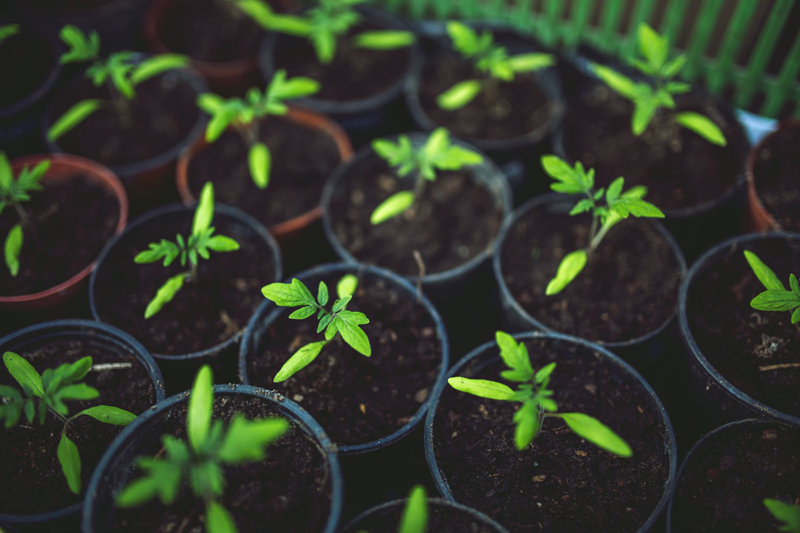
Ribus nigrum, more commonly known as Black Currant grows to a height of 6 feet. You can find these shrubs throughout much of the United States. The black currant shrubs are hardy in zones 2 and higher. Not only are black currants hardy, they provide you with delicious fruit. People often use the fruit in jams, jellies, wine or as a healthy snack straight off the tree. You don't have to buy a black currant bush if you want one for your yard. They are relatively easy to propagate if you follow a few simple rules.
The best time to take cuttings is in the third week of October. Wait until the leaves have turned brown and are falling from the tree.
Prepare the Planting Site
Before you take any cuttings, find a temporary location to plant your black currants. The black currants will grow in this location for one year. Choose an area that has partial shade during the day.
Dig a trench. To figure out how long to make your trench take the number of cuttings you're starting times 8. The trench should be 6 inches deep and 4 inches wide.
At the bottom of the trench, add some bone meal. Read the label for the amount to use. With a small garden rake, scratch the bone meal into the soil at the bottom of your trench.
Amend the soil you removed from the trench with 3 inches of compost. The compost helps with drainage and provides nutrients for the black currant cuttings.
Gather The Black Currant Stems
Now you can gather your cuttings. Look over the black currant shrub to find a healthy stem. As you are looking at the stems, choose one that is old wood and has at least 6 or more leaf buds or leaf nodes. Old wood is brown in color and snaps or breaks if bent. Take 10 inch cuttings of old wood and make the cut just under the leaf node.
Plant The Stems
Wrap the cut stems in a damp paper towel so they do not dry out. Lay the stems in the trench so the cut side is at the bottom and the leaves are sticking above the soil's surface.
Carefully push the amended soil into the trench. Do not break or damage any of the leaf nodes. Gently firm the soil in place with your hands.
Give the cuttings a good drink of water. A dripper hose works great for this because it waters the entire length of the trench without having to move the hose.
After Care
Place 1 or 2 inches of organic mulch around the cuttings, but try to keep the mulch an inch away from the stem of the cutting to prevent it rotting or becoming diseased. The mulch helps the soil retain moisture as well as keeping weeds under control.
Keep the soil moist through the spring and summer months. After they have been growing for one year, transplant them into their permanent location.
The best time to take cuttings is in the third week of October. Wait until the leaves have turned brown and are falling from the tree.
Prepare the Planting Site
Before you take any cuttings, find a temporary location to plant your black currants. The black currants will grow in this location for one year. Choose an area that has partial shade during the day.
Dig a trench. To figure out how long to make your trench take the number of cuttings you're starting times 8. The trench should be 6 inches deep and 4 inches wide.
At the bottom of the trench, add some bone meal. Read the label for the amount to use. With a small garden rake, scratch the bone meal into the soil at the bottom of your trench.
Amend the soil you removed from the trench with 3 inches of compost. The compost helps with drainage and provides nutrients for the black currant cuttings.
Gather The Black Currant Stems
Now you can gather your cuttings. Look over the black currant shrub to find a healthy stem. As you are looking at the stems, choose one that is old wood and has at least 6 or more leaf buds or leaf nodes. Old wood is brown in color and snaps or breaks if bent. Take 10 inch cuttings of old wood and make the cut just under the leaf node.
Plant The Stems
Wrap the cut stems in a damp paper towel so they do not dry out. Lay the stems in the trench so the cut side is at the bottom and the leaves are sticking above the soil's surface.
Carefully push the amended soil into the trench. Do not break or damage any of the leaf nodes. Gently firm the soil in place with your hands.
Give the cuttings a good drink of water. A dripper hose works great for this because it waters the entire length of the trench without having to move the hose.
After Care
Place 1 or 2 inches of organic mulch around the cuttings, but try to keep the mulch an inch away from the stem of the cutting to prevent it rotting or becoming diseased. The mulch helps the soil retain moisture as well as keeping weeds under control.
Keep the soil moist through the spring and summer months. After they have been growing for one year, transplant them into their permanent location.

Related Articles
Editor's Picks Articles
Top Ten Articles
Previous Features
Site Map
Content copyright © 2023 by Gail Delaney. All rights reserved.
This content was written by Gail Delaney. If you wish to use this content in any manner, you need written permission. Contact Gail Delaney for details.
