Antigua- Land of Many Beaches
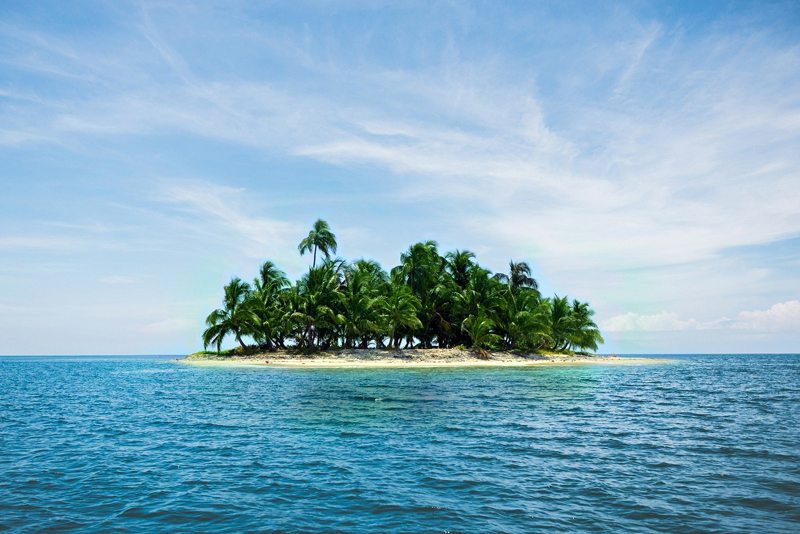
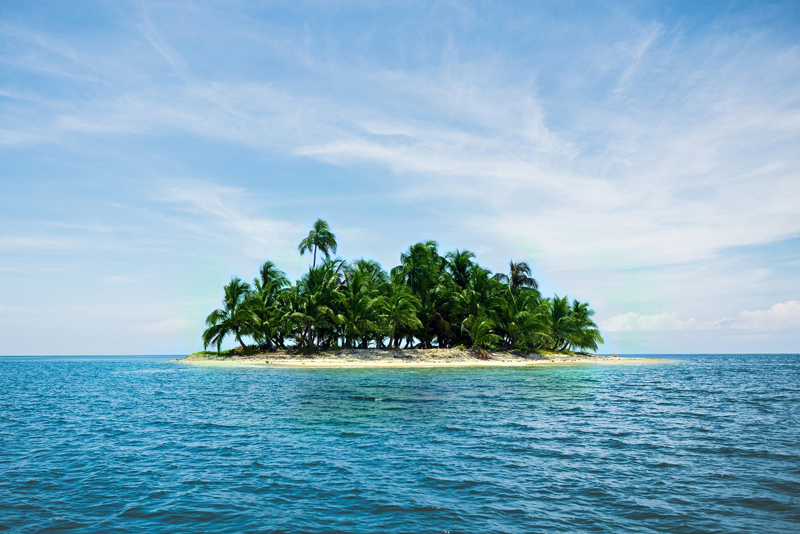
It is not a myth. Antigua is really blessed with one beach for every day of the year. As a result, the island is aptly known as the Land of Many Beaches. At 108 square miles (279.7 square kilometers) the island is somewhat bigger than many of its neighbors.
These two characteristics earn Antigua first place for largest number of beaches, and fourth place for overall size in the chain of Leeward Islands – Puerto Rico, Guadeloupe and Dominica are the three largest respectively. The island is 35 miles (55 km) northeast of Montserrat and 57 miles (94 km) South of Guadeloupe.
Things to See and Do
1.Beaches
Of course, if you are on a Caribbean island with 365 beaches you absolutely should start there. It may well be impossible to visit all of the beaches while on a short vacation but it is certainly worthwhile to attempt it.
To start, you can opt for a nude beach such as Eden Beach close to the Hawksbill Resort or, choose to mingle with other tourists or fellow resort guests at Dickenson or Runaway Bay.
For a day with the family try Half Moon Bay; do not forget to check out Jolly beach if snorkeling or scuba diving is your fancy, and lastly, simply make your own choice after doing some research.
With 365 beaches to visit and all the time in the world to do so, islanders can put up quite a debate as to which is at the best temperature, which is the best shade of blue, or has lowest noise level and at what time. Their choices may differ significantly from what the travel magazines or resort owners say.
It is best to hire a taxi or arrange with hotel drivers to be your personal chauffeur since the roads leave a bit to be desired. The locals know where the pot-holes are and how to avoid them. Road issues are, unfortunately a big snag in the otherwise picturesque infrastructure.
It is worth mentioning that whenever islanders mention Antigua they are usually referring to the twin nation of Antigua and Barbuda because they are ruled under one government.
Barbuda is a mere 68 square miles (176 kilometers) much quieter place with unique pink and white sand beaches that are a definite must see especially for snorkeling and scuba diving enthusiasts.
Some of the beaches on both islands are rough, and please, please always remember all are open to the public – no private or exclusively resort owned beaches exist on either island.
2. Sailing Week
Ok, let’s be clear ... sailing in Antigua is no ordinary excursion. Be there for the Annual Regatta held the last week in April. Watch yachts of all sizes and colors race each other for the coveted title.
The excitement is almost tangible in the weeks leading up to and stays till the grand finale of sailing week. Yacht owners from around the world show up. Food, alcohol and music replace any thought of serious undertakings. You fete (Caribbean term for party, party, party) all day and night.
None participants can follow the race on smaller boats or yachts where festivities are high—yes, even on the water. There is race around the island, one from Antigua to Guadeloupe, and races from one beach to another.
Then there are the after parties and before party breakfast at some of the island’s top hotels, restaurants and resorts.
The point is – just been a spectator will energize you. It is THAT contagious.
3.Carnival Time
Starting the last weekend of July and continuing for 11 days each year, Antiguans revel in music, dance and artistic expressions.
During carnival season businesses operate minimally or in most cases not at all. The costumes are spectacular. All the colors in nature (from the rainbow to the flowers) are represented.
The pre-carnival activities set the stage for what is to follow. Fetes, music competitions- steel pan and calypso, fashion shows, and just plain old over-indulgence is the norm; all in peaceful comradery, folks let their hair down, and play mass (another term for having extreme amounts of fun) all day and night long.
When to Visit
As you may have realized, if you desire non-stop frolic and fun visit Antigua and Barbuda during Carnival season and/or Sailing Week. If you want less intense activities go between Mid January and March or September through November.
At Christmas time there is some activity but not as intensified. The other choice would be to stay on Barbuda and just hop over to Antigua whenever you feel like it.
In conclusion, Antigua (the land of many beaches) and Barbuda are two gems in the Caribbean Islands’ crown. Start planning your trip today. Get ready for party time or rest Caribbean style, or simply go to earn bragging rights for visiting the most beaches on one island. You will NOT regret it.
Disclaimer: I have not received any compensation or incentives to write this article. All information is based on my personal experiences and that of others who personally shared their information with me
These two characteristics earn Antigua first place for largest number of beaches, and fourth place for overall size in the chain of Leeward Islands – Puerto Rico, Guadeloupe and Dominica are the three largest respectively. The island is 35 miles (55 km) northeast of Montserrat and 57 miles (94 km) South of Guadeloupe.
Things to See and Do
1.Beaches
Of course, if you are on a Caribbean island with 365 beaches you absolutely should start there. It may well be impossible to visit all of the beaches while on a short vacation but it is certainly worthwhile to attempt it.
To start, you can opt for a nude beach such as Eden Beach close to the Hawksbill Resort or, choose to mingle with other tourists or fellow resort guests at Dickenson or Runaway Bay.
For a day with the family try Half Moon Bay; do not forget to check out Jolly beach if snorkeling or scuba diving is your fancy, and lastly, simply make your own choice after doing some research.
With 365 beaches to visit and all the time in the world to do so, islanders can put up quite a debate as to which is at the best temperature, which is the best shade of blue, or has lowest noise level and at what time. Their choices may differ significantly from what the travel magazines or resort owners say.
It is best to hire a taxi or arrange with hotel drivers to be your personal chauffeur since the roads leave a bit to be desired. The locals know where the pot-holes are and how to avoid them. Road issues are, unfortunately a big snag in the otherwise picturesque infrastructure.
It is worth mentioning that whenever islanders mention Antigua they are usually referring to the twin nation of Antigua and Barbuda because they are ruled under one government.
Barbuda is a mere 68 square miles (176 kilometers) much quieter place with unique pink and white sand beaches that are a definite must see especially for snorkeling and scuba diving enthusiasts.
Some of the beaches on both islands are rough, and please, please always remember all are open to the public – no private or exclusively resort owned beaches exist on either island.
2. Sailing Week
Ok, let’s be clear ... sailing in Antigua is no ordinary excursion. Be there for the Annual Regatta held the last week in April. Watch yachts of all sizes and colors race each other for the coveted title.
The excitement is almost tangible in the weeks leading up to and stays till the grand finale of sailing week. Yacht owners from around the world show up. Food, alcohol and music replace any thought of serious undertakings. You fete (Caribbean term for party, party, party) all day and night.
None participants can follow the race on smaller boats or yachts where festivities are high—yes, even on the water. There is race around the island, one from Antigua to Guadeloupe, and races from one beach to another.
Then there are the after parties and before party breakfast at some of the island’s top hotels, restaurants and resorts.
The point is – just been a spectator will energize you. It is THAT contagious.
3.Carnival Time
Starting the last weekend of July and continuing for 11 days each year, Antiguans revel in music, dance and artistic expressions.
During carnival season businesses operate minimally or in most cases not at all. The costumes are spectacular. All the colors in nature (from the rainbow to the flowers) are represented.
The pre-carnival activities set the stage for what is to follow. Fetes, music competitions- steel pan and calypso, fashion shows, and just plain old over-indulgence is the norm; all in peaceful comradery, folks let their hair down, and play mass (another term for having extreme amounts of fun) all day and night long.
When to Visit
As you may have realized, if you desire non-stop frolic and fun visit Antigua and Barbuda during Carnival season and/or Sailing Week. If you want less intense activities go between Mid January and March or September through November.
At Christmas time there is some activity but not as intensified. The other choice would be to stay on Barbuda and just hop over to Antigua whenever you feel like it.
In conclusion, Antigua (the land of many beaches) and Barbuda are two gems in the Caribbean Islands’ crown. Start planning your trip today. Get ready for party time or rest Caribbean style, or simply go to earn bragging rights for visiting the most beaches on one island. You will NOT regret it.
Disclaimer: I have not received any compensation or incentives to write this article. All information is based on my personal experiences and that of others who personally shared their information with me

Related Articles
Editor's Picks Articles
Top Ten Articles
Previous Features
Site Map
Content copyright © 2023 by Theresa Springer. All rights reserved.
This content was written by Theresa Springer. If you wish to use this content in any manner, you need written permission. Contact Malika Bowling for details.