Orchid News
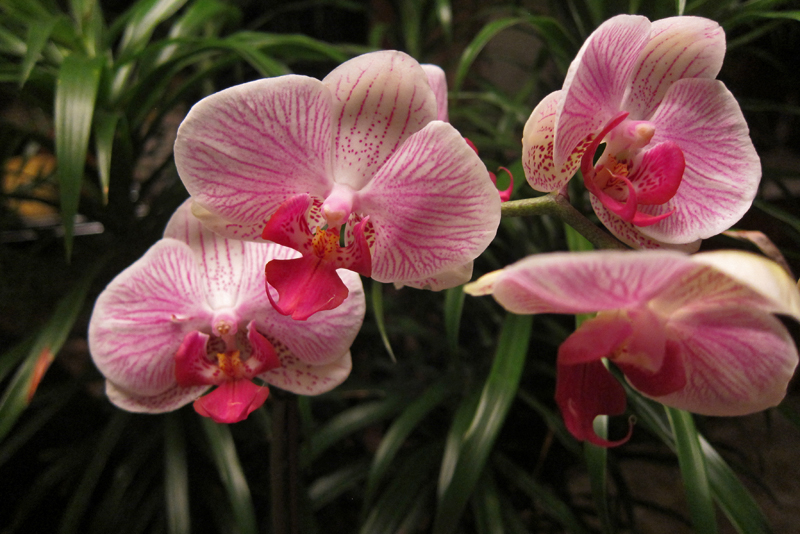
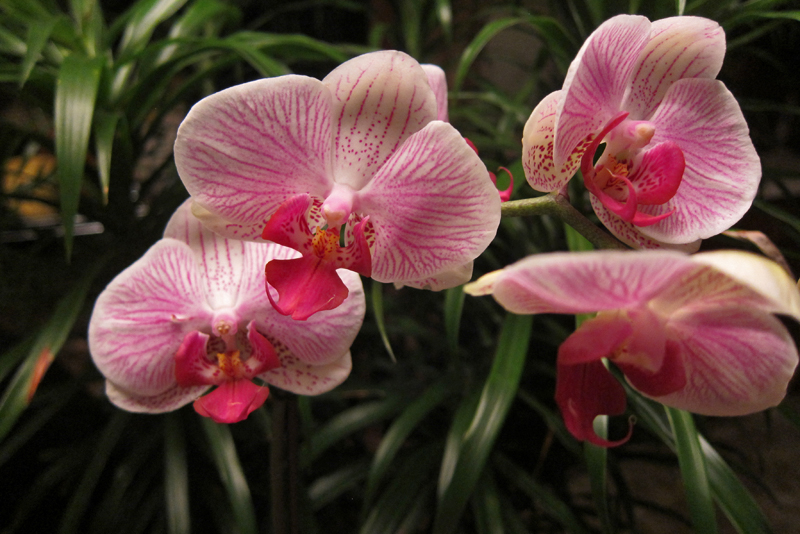
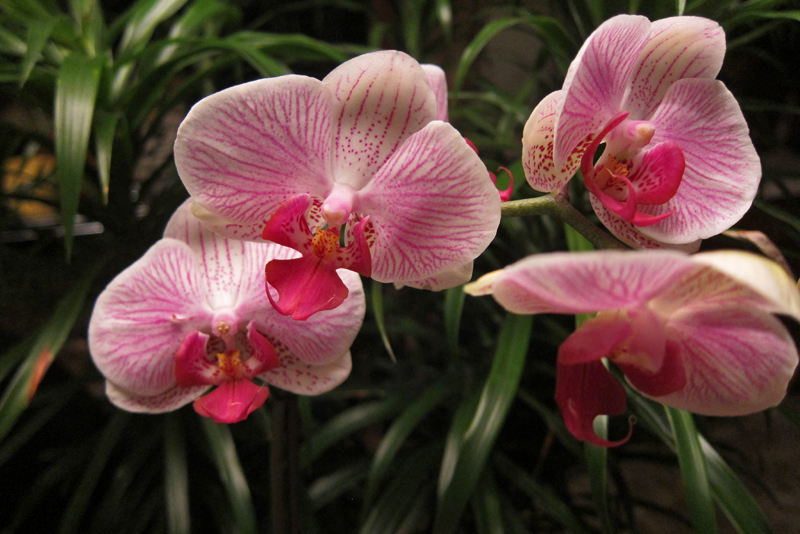
At what place can you see orchids from exotic locations, in beautiful blooms, along with many different hybrids? The answer is: at the Orchid Festivals; arranged by different organizations and orchid societies. It is spring time and most flower festivals are put up now. Many of these are organized in countries which are rich in orchid wealth and they generally display their own native orchids. But in the case of countries where only a few orchids grow naturally, their orchid shows display many species collected from far off parts of the world.
Here is some information on the Orchid Festivals being organized all over the world.
• Japan Grand Prix International Orchid festival at Tokyo Dome, Tokyo; the orchids were put on display from 15th to 23rd February, 2014 (that’s over!). Tickets are about Ұ2000.
• At Kew Royal Botanical Garden, Orchids 2014: a plant hunter’s paradise is being organized at Princess of Wales Conservatory, from 8th Feb till 9th March. Tickets can be bought online.
• You can go through the Orchid Event Calendars of American Orchid Society, which also arranges a number of events.
• 12th Annual Orchid Show at Key West organized by the New York Botanical Garden, is open till 21 April. Tickets for Adults are $20 and for Kids $10.
• The Fairchild Tropical Botanic Garden (Miami) has organized 12th Annual International Orchid Festival for three days; from 7th March to 9th March. Timings of the show are 9:30 in the morning till 4:30 PM. Entry is free for children under 5, while for non-members tickets are: seniors (65 and above) $18, adults $25 and children (6 – 17) $12.
• 69th Santa Barbara International Orchid Show at Earl Warren Showgrounds will be held from 14th March till 16th March. Check out the ticket and other details from their website.
• 18th Annual Redland International Orchid Festival (Florida) is slated for public viewing from May 16th till 18th May, 2014. Timings of the show are 9:00am to 5:00pm. Entry for children under 12 is free, but adults have buy tickets for $10.
• In Australia a number of Orchid festivals and fairs are arranged. There is an Orchid Fair on at Queensland from 7th till 9th March. The admission and parking is free.
Check out all these website to see what they have to offer. Other Orchid festivals that I could find out were Singapore Garden Festival, this will be organized in August, 2014. There are many other the smaller festivals organized locally by smaller orchid societies. If there is one organized somewhere near you, please let me know I will put it up here to let others know.
Here is some information on the Orchid Festivals being organized all over the world.
• Japan Grand Prix International Orchid festival at Tokyo Dome, Tokyo; the orchids were put on display from 15th to 23rd February, 2014 (that’s over!). Tickets are about Ұ2000.
• At Kew Royal Botanical Garden, Orchids 2014: a plant hunter’s paradise is being organized at Princess of Wales Conservatory, from 8th Feb till 9th March. Tickets can be bought online.
• You can go through the Orchid Event Calendars of American Orchid Society, which also arranges a number of events.
• 12th Annual Orchid Show at Key West organized by the New York Botanical Garden, is open till 21 April. Tickets for Adults are $20 and for Kids $10.
• The Fairchild Tropical Botanic Garden (Miami) has organized 12th Annual International Orchid Festival for three days; from 7th March to 9th March. Timings of the show are 9:30 in the morning till 4:30 PM. Entry is free for children under 5, while for non-members tickets are: seniors (65 and above) $18, adults $25 and children (6 – 17) $12.
• 69th Santa Barbara International Orchid Show at Earl Warren Showgrounds will be held from 14th March till 16th March. Check out the ticket and other details from their website.
• 18th Annual Redland International Orchid Festival (Florida) is slated for public viewing from May 16th till 18th May, 2014. Timings of the show are 9:00am to 5:00pm. Entry for children under 12 is free, but adults have buy tickets for $10.
• In Australia a number of Orchid festivals and fairs are arranged. There is an Orchid Fair on at Queensland from 7th till 9th March. The admission and parking is free.
Check out all these website to see what they have to offer. Other Orchid festivals that I could find out were Singapore Garden Festival, this will be organized in August, 2014. There are many other the smaller festivals organized locally by smaller orchid societies. If there is one organized somewhere near you, please let me know I will put it up here to let others know.

Related Articles
Editor's Picks Articles
Top Ten Articles
Previous Features
Site Map
Content copyright © 2023 by Anu Dharmani. All rights reserved.
This content was written by Anu Dharmani. If you wish to use this content in any manner, you need written permission. Contact Anu Dharmani for details.