

Old Fashioned Girl Names
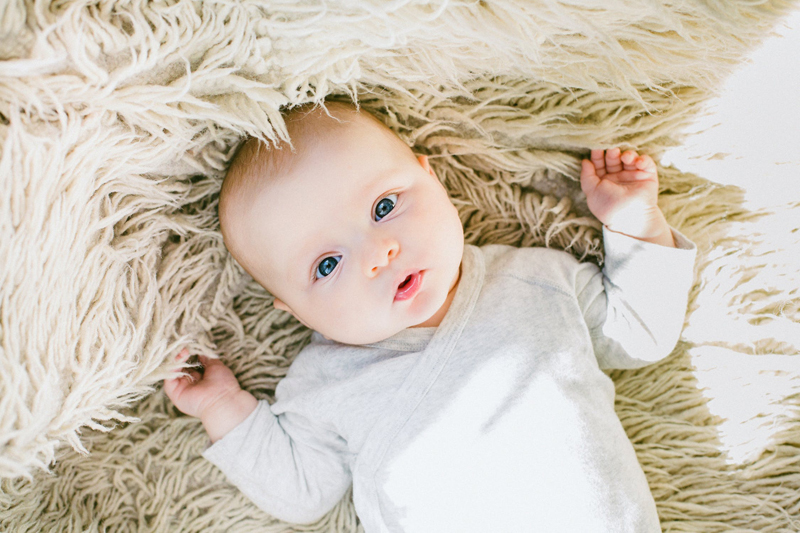
Old-fashioned girl names like Isabella, Emma, Olivia, Ava, Sophia, Hannah and Lily have become popular again within the last few years.
But other old-fashioned girl names (such as Gladys, Blanche, Doris, Alberta and Myrtle) have not managed to make a comeback.
Why have certain names made a comeback? Why have others been left behind?
One word: flow. Modern parents like names that flow. When we look at lists of old-fashioned baby names, we're more likely to prefer Emma to Edna, Ava to Agnes, Sophia to Sybil and Hannah to Hester. Flow involves several things, but I think the two biggest factors are these:
Here are some stylishly sonorous old-fashioned names for you--names with many vowels, "soft" consonants (like L and N), and few consonant clusters overall.
But other old-fashioned girl names (such as Gladys, Blanche, Doris, Alberta and Myrtle) have not managed to make a comeback.
Why have certain names made a comeback? Why have others been left behind?
One word: flow. Modern parents like names that flow. When we look at lists of old-fashioned baby names, we're more likely to prefer Emma to Edna, Ava to Agnes, Sophia to Sybil and Hannah to Hester. Flow involves several things, but I think the two biggest factors are these:
- A high ratio of vowels. Lots of vowels -- audible vowels, not silent vowels -- makes for mellifluousness. Extra points when a name starts with a vowel and/or ends with a vowel.
- The right type and arrangement of consonants. Specifically, I'm talking about consonants that aren't "hard," (i.e. plosives like T, P and K) and that aren't clustered together (as in the name Gretchen). Both of these disrupt the flow of air, necessarily affecting the flow of the name.
Here are some stylishly sonorous old-fashioned names for you--names with many vowels, "soft" consonants (like L and N), and few consonant clusters overall.
- Adelina, Alice, Althea, Amalia, Annabella, Arabella, Aurelia, Aurora
- Celestine, Celia
- Delia, Dorothea, Dorothy
- Ella, Eloise, Emeline, Eugenia, Evelina, Evie, Eula
- Flora
- Geneva
- Helena, Heloise
- Imogene, Ina, Iola, Ione, Isadora, Iva
- Josie
- Lavinia, Lela, Leona, Lina, Lula, Lilla, Louisa, Lucy, Lydia
- Marcella, Millie, Mina, Minnie, Molly, Mona
- Nelle, Nellie, Neva, Nola, Nova
- Odessa, Ophelia, Oralia
- Paulina, Philomena, Priscilla
- Ramona, Roma, Romana, Rosalia, Rosella, Rowena
- Sabina, Sally, Seraphina, Sonia, Sophronia, Sylvia
- Theresa, Twila
- Una, Ursula
- Vera, Viola
- Wilhelmina, Willa, Winnie, Winona
- Zora
 | 10,000 Most Popular Baby Girl Names Want more than the top 100 or top 1,000 baby girl names? Here's a complete list of the 10,000 most popular baby girl names in the nation! Click to learn more. |
This site needs an editor - click to learn more!
You Should Also Read:
Olivia - Girl Name
Ava - Girl Name
Trilby - Baby Name
Related Articles
Editor's Picks Articles
Top Ten Articles
Previous Features
Site Map
Content copyright © 2023 by Nancy Man. All rights reserved.
This content was written by Nancy Man. If you wish to use this content in any manner, you need written permission. Contact
BellaOnline Administration
for details.
