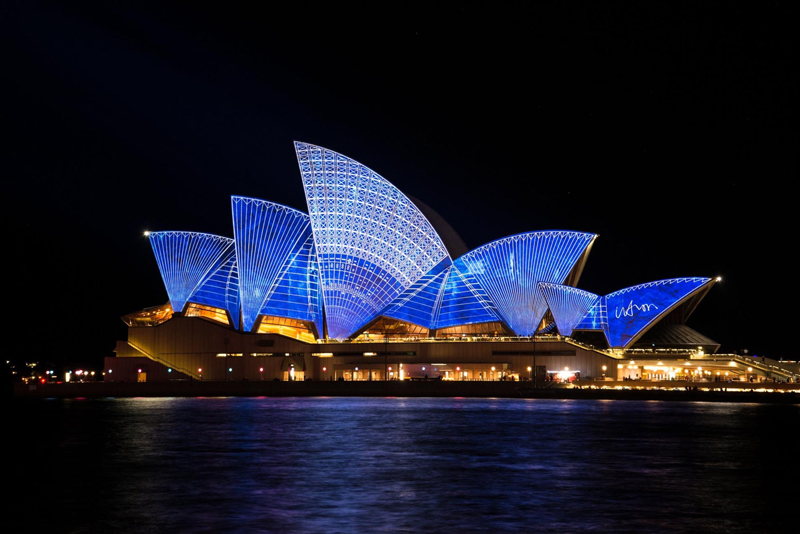
Sydney Opera House - An Aussie Icon
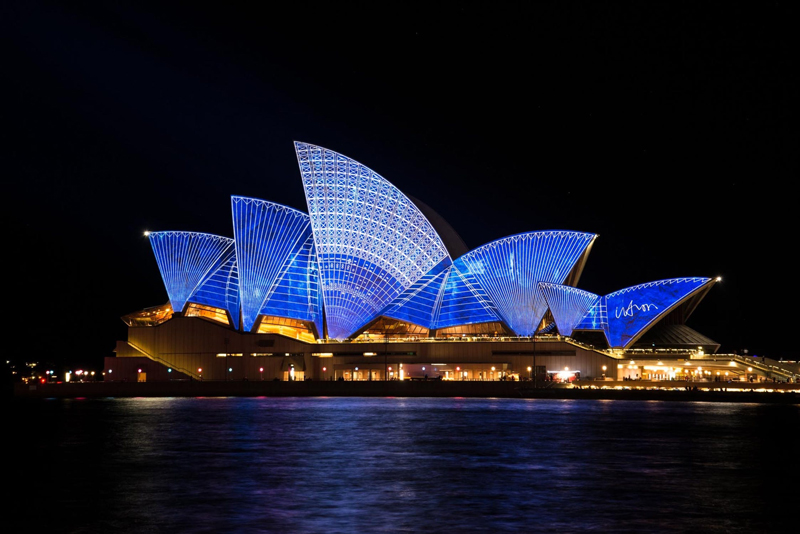
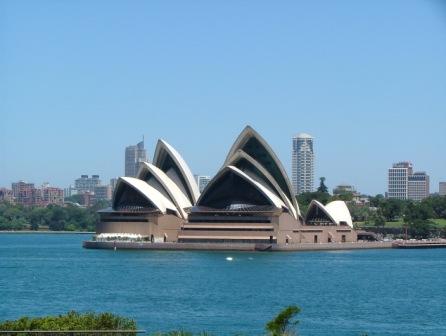
In 2007, as the Sydney Opera House building was World Heritage Listed, UNESCO stated:
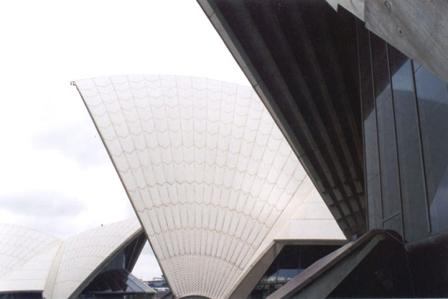
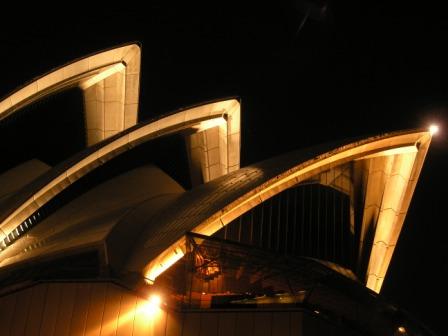
“Sydney Opera House is a great architectural work of the 20th century. It represents multiple strands of creativity, both in architectural form and structural design, a great urban sculpture carefully set in a remarkable waterscape and a world famous iconic building.”
So what’s all the fuss about? Every major capital city in the world has an Opera House. It’s true. But. Sydney Australia is the setting for the most recognized Opera House around the globe, and is a major tourist attraction for Australia. In fact it is said it is instantly recognized as being “Australian”.
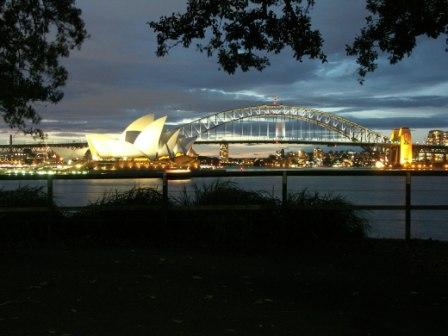
Sitting on the banks of the beautiful Sydney Harbour, within a stone’s throw from another iconic building –the Sydney Harbour Bridge, the Opera House has many interesting facets to its existence.
In 1956 the New South Wales government decided that there was an urgent need for a National Opera House, and so held a worldwide competition between all the major and noted architects of the time. Of the 233 entries the final design by a Danish architect Jørn Utzon was selected.
Unfortunately the design that Utzon had proposed was outside the capabilities of engineering at the time, and Utzon spent several years redrafting his design until he was finally able to illustrate how the most prominent characteristic – the “sails” of the roof were to be made and put in place.
As if this wasn’t enough controversy, the whole project suffered many financial setbacks with cost blowouts and disputes about the interior design. Sadly Utzon resigned from the project in 1966 and the interior was designed by others.
It wasn’t until 2004 when the Opera House finally had an interior space designed by Utzon, when the Utzon Room was transformed from a reception hall. Here Utzon used his original plans for the vision of his creation and it stands head and shoulders about the other facilities in the Opera House.
A lottery called the Opera House Lottery was established to help pay for this building.
The initial cost and time estimates building this incredible structure was $7 million (a great deal in those days) and was expected to be completed within 4 years, however, the eventual cost was $102 million and it was completed 14 years after it was started.
As an Opera House it has a wonderful reputation for exciting venues and exceptional acoustics. A great deal of the building resources were sourced from overseas and amongst them the 6,223 sq metres of glass used in the construction of the building came from France and was made using a colour that is unique to the Opera House.
Queen Elizabeth II opened the Sydney Opera House in 1973, during one of her national visits, and she has visited the Opera House a further five times since 1973.
The Concert Hall of the Opera House boasts a Grand Organ which is the largest mechanical organ in the world, with10,154 pipes. It took 10 years complete the Grand Organ.
Happily, in 2003, Utzon was awarded the prestigious Pritzker Prize. This prize is considered the Nobel Prize of the architectural community and their mission states:
Honoring living architects whose built work demonstrates a combination of those qualities of talent, vision, and commitment, which has produced consistent and significant contributions to humanity and the built environment through the art of architecture.
How lucky Australia is to have an iconic structure such as the Sydney Opera House. I have visited the Opera House on many occasions and have attended the opera “The Magic Flute” in the concert Hall in 2004. It was a wonderful experience and I look forward to my next visit to this iconic architectural feat.

Related Articles
Editor's Picks Articles
Top Ten Articles
Previous Features
Site Map
Content copyright © 2023 by Judie Bellingham. All rights reserved.
This content was written by Judie Bellingham. If you wish to use this content in any manner, you need written permission. Contact Judie Bellingham for details.