

Hibiscus
If eye-popping color and a tropical flair is what you’re looking for, the hibiscus has it. While there are hardy and cold tolerant varieties of hibiscus, the tropical hibiscus (Hibiscus rosa-sinensis) is usually the one used as an indoor plant. It is the most vibrant and exotic of all hibiscus types.
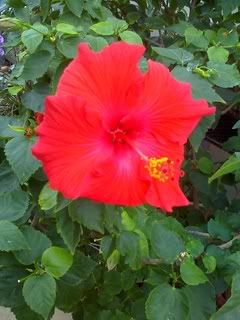 It may at first be difficult to know whether a hibiscus is tropical or hardy, but some key characteristics of the tropical varieties are their vivid coloration and their glossy, deep green leaves. Tropical varieties also come in flashier color combinations with yellows, oranges and bright reds often all on the same flower. Tropical hibiscus flowers are usually 3 to 5 inches across.
Hibiscuses need lots of sun. In warmer climates, full sun may be too much but further from the equator full sun is best. In the winter, supplemental lighting is required if you want to keep them going strong. Fluorescent lights help but it is difficult for light to penetrate through thick canopies of dark green leaves. Expect plants to lose some leaves and have a reduction in flowering during the winter months; it’s perfectly normal. Remember to reduce watering and cut out the fertilization when the plant is “resting” like this. When spring comes again, the plant will experience a full flush of growth and regain its vigor.
Make sure that during the growing season your hibiscus gets plenty of water and fertilizer. Hibiscus flowers last about a day and are constantly pushing out more, so they need fuel to keep going. You will find that an actively growing hibiscus needs frequent watering but don’t over-do it. Let the plant dry out a bit between those waterings to protect the roots from rotting.
Keep the plant in the smallest pot you can to facilitate frequent watering. Repotting is best done in the spring when new growth begins. The plant may be repotted in the same pot or bumped up to the next size if necessary. Some root pruning is desirable to keep the plant growing in a compact form.
Humidity is a must for hibiscus. Provide a light misting daily, use a pebble tray, group with other plants or use a humidifier. Placing the plant in the bathroom when someone is showering is a great idea. If there is enough light in there for it to grow, the bathroom is a great place all around.
Bugs love hibiscus – there’s no way around it. Spider mites, aphids and whitefly are particularly fond of them. If the plant stays wet too often, fungus gnats may move in, as well. Check your plant for insects often and treat quickly to prevent them from taking over. One of the easiest ways to take care of an insect infestation is with a good dunking in a bucket. Wrap the pot in plastic wrap to keep the potting mix in and the water out, making sure to get a good seal around the base stem, if possible. Turn the whole thing upside down and dunk in a bucket of lukewarm, soapy water. If insecticidal soaps or oils are used, be sure to wear gloves. Give it several good swishes for at least a minute. This will remove about 90% of the insects on the plant each time you do it. Repeat the process weekly until the plant recovers.
Hibiscuses need lots of sun. In warmer climates, full sun may be too much but further from the equator full sun is best. In the winter, supplemental lighting is required if you want to keep them going strong. Fluorescent lights help but it is difficult for light to penetrate through thick canopies of dark green leaves. Expect plants to lose some leaves and have a reduction in flowering during the winter months; it’s perfectly normal. Remember to reduce watering and cut out the fertilization when the plant is “resting” like this. When spring comes again, the plant will experience a full flush of growth and regain its vigor.
Make sure that during the growing season your hibiscus gets plenty of water and fertilizer. Hibiscus flowers last about a day and are constantly pushing out more, so they need fuel to keep going. You will find that an actively growing hibiscus needs frequent watering but don’t over-do it. Let the plant dry out a bit between those waterings to protect the roots from rotting.
Keep the plant in the smallest pot you can to facilitate frequent watering. Repotting is best done in the spring when new growth begins. The plant may be repotted in the same pot or bumped up to the next size if necessary. Some root pruning is desirable to keep the plant growing in a compact form.
Humidity is a must for hibiscus. Provide a light misting daily, use a pebble tray, group with other plants or use a humidifier. Placing the plant in the bathroom when someone is showering is a great idea. If there is enough light in there for it to grow, the bathroom is a great place all around.
Bugs love hibiscus – there’s no way around it. Spider mites, aphids and whitefly are particularly fond of them. If the plant stays wet too often, fungus gnats may move in, as well. Check your plant for insects often and treat quickly to prevent them from taking over. One of the easiest ways to take care of an insect infestation is with a good dunking in a bucket. Wrap the pot in plastic wrap to keep the potting mix in and the water out, making sure to get a good seal around the base stem, if possible. Turn the whole thing upside down and dunk in a bucket of lukewarm, soapy water. If insecticidal soaps or oils are used, be sure to wear gloves. Give it several good swishes for at least a minute. This will remove about 90% of the insects on the plant each time you do it. Repeat the process weekly until the plant recovers.
This site needs an editor - click to learn more!
You Should Also Read:
Understanding Light Requirements of Houseplants
Yellow Leaves
Houseplants Newsletter
Related Articles
Editor's Picks Articles
Top Ten Articles
Previous Features
Site Map
Content copyright © 2023 by Lisa Beth Voldeck. All rights reserved.
This content was written by Lisa Beth Voldeck. If you wish to use this content in any manner, you need written permission. Contact
BellaOnline Administration
for details.
