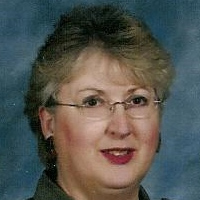
2009 MWA Grand Masters Award

The Mystery Writers of America (MWA) Grand Masters Award for 2009 goes to authors James Lee Burke and Sue Grafton. The MWA award represents the organizations highest achievement a writer can reach in the mystery genre, and the duo will receive their awards at the 63rd Annual Edgar Awards banquet on Thursday April 30, 2009 in New York City.
James Lee Burke was born in Houston and raised along the Texas-Louisiana Gulf Coast. He divides his time between homes in Montana and Louisiana. Burke’s daughter, Alafair Burke, is also a crime writer. Author of twenty-five novels he is best known for his seventeen Dave Robicheaux stories.
He also wrote four Texas Attorney Billy Bob Holland novels, as well as other books and countless short stories. Upon publication, The Lost Get-Back Boogie was nominated for a Pulitzer Prize after the book proposal was rejected 111 times according to reports.
Burke has received numerous honors including twice receiving the Edgar Award for best novel for Black Cherry Blues (1990) and Cimarron Rose (1998). Two of his novels were made into movies: Heaven’s Prisoners starring Alec Baldwin (1996) and In the Electric Mist starring Tommy Lee Jones (1997).
Sue Grafton was born in Louisville, Kentucky. She is the daughter of C. W. Grafton. Grafton and her husband currently divide their time between Louisville and Santa Barbara, California. Best known for the Kinsey Millhone alphabet murder series, she said the last novel of the series will be called Z is for Zero. Published in twenty-six languages, her novels are popular throughout the world.
Grafton has received numerous awards including the first two Anthony Awards for B is for Burglar and C is for Corpse. She later won a third Anthony Award, three Shamus Awards, the Ross MacDonald Literary Award (2004), and a Cartier Dagger given by the British Crime Writer’s Association for her lifetime achievement as a crime writer.
Based in New York, the Mystery Writers of America was founded in 1945. The Edgar Awards were named after Edgar Allan Poe. His 200th birthday was celebrated during 2009. All Edgar Award winners receive a small bust of Poe.
James Lee Burke was born in Houston and raised along the Texas-Louisiana Gulf Coast. He divides his time between homes in Montana and Louisiana. Burke’s daughter, Alafair Burke, is also a crime writer. Author of twenty-five novels he is best known for his seventeen Dave Robicheaux stories.
He also wrote four Texas Attorney Billy Bob Holland novels, as well as other books and countless short stories. Upon publication, The Lost Get-Back Boogie was nominated for a Pulitzer Prize after the book proposal was rejected 111 times according to reports.
Burke has received numerous honors including twice receiving the Edgar Award for best novel for Black Cherry Blues (1990) and Cimarron Rose (1998). Two of his novels were made into movies: Heaven’s Prisoners starring Alec Baldwin (1996) and In the Electric Mist starring Tommy Lee Jones (1997).
Sue Grafton was born in Louisville, Kentucky. She is the daughter of C. W. Grafton. Grafton and her husband currently divide their time between Louisville and Santa Barbara, California. Best known for the Kinsey Millhone alphabet murder series, she said the last novel of the series will be called Z is for Zero. Published in twenty-six languages, her novels are popular throughout the world.
Grafton has received numerous awards including the first two Anthony Awards for B is for Burglar and C is for Corpse. She later won a third Anthony Award, three Shamus Awards, the Ross MacDonald Literary Award (2004), and a Cartier Dagger given by the British Crime Writer’s Association for her lifetime achievement as a crime writer.
Based in New York, the Mystery Writers of America was founded in 1945. The Edgar Awards were named after Edgar Allan Poe. His 200th birthday was celebrated during 2009. All Edgar Award winners receive a small bust of Poe.
You Should Also Read:
T is for Trespass
In the Moon of Red Ponies
Starvation Lake

Related Articles
Editor's Picks Articles
Top Ten Articles
Previous Features
Site Map
Follow @MysteryBooksEd
Tweet
Content copyright © 2023 by Edie Dykeman. All rights reserved.
This content was written by Edie Dykeman. If you wish to use this content in any manner, you need written permission. Contact Edie Dykeman for details.