

France’s Most Picturesque Cities
Out of all the places I’ve been in five years of exploring France, these are my favorites.
Paris

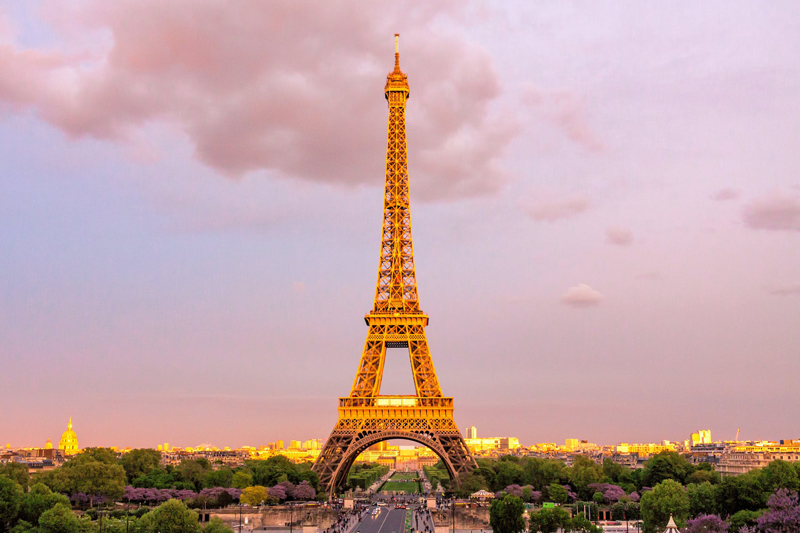
In dreaming of places expectations can become so high that reality is disappointing, not Paris. On the outskirts of town whitewashed Empire style villas lead into manicured Haussmannian apartment blocks topped by hot air balloon shaped turrets. Each district or arrondissement has it’s own climate like the ritzy literary arts set of Saint Germain de Pres or the Marais’ mishmash of Mediterranean food, funky boutiques and gay bars to name a few. But the thing I love best, after the snaky river Seine and its weeping willows is the wealth of art the city possesses. I was never able to exhaust my list of expositions and museums to visit.
Honfleur

Normandy is fishermen and farmers, pastures of springy green grass that end in rugged coastline and no nonsense dining on ample servings of seafood and creamy cheese. Honfleur has a quaint, picturesque port that is pleasant to wander through lined with numerous galleries. A girlfriend swears by the hotel L'Auberge de la Source which is hidden a short stretch outside of town.
Etretat

A picture perfect pebble beach that Monet painted and repainted. Climb up the rolling green hillside for a bird’s eye view of the chalky cliffs or follow the beach to left and up into a cave that feeds out like the rabbit hole into a place as magical as Wonderland.
Sarlat-la-Canéda

Sarlat is a well-preserved medieval village cosied up next to the DordogneRiver. Explore the lush Périgord region by bicycle or canoe, shop for strawberries and truffle infused oil in the market and dine on duck in its many forms like foie gras, a rich block spread on slivers of toast. La Couleuvrine is my favourite place to stay.
Annecy

Annecy at the foot of the Alps wraps around its own lake like a crescent sliver of moon. It feels very Swiss or Canadian, places I associate with crisp, clean mountain air. Stroll with the swans around the lake, zigzag the shop-lined canals and share a fondue dipping crusty bread cubes into sharp white cheese melted into wine.
Saint-Emilion

This valley of Bordeaux is where some of the most reputed red wines like Cheval Blanc are cultivated. Wander the picturesque village and stop into one of the caves for a tasting.
Collioure

The last holdout of French frontier, Collioure is pastel storefronts nestled up to pebble beach. In summer it is bursting at the seams so after a stroll through town venture into Spain’s equally charming Costa Brava to find a more secluded beach retreat.
Aix en Provence

Aix is a crumbly Provincial town where people dine alfresco nearly year round and most prefer to drink Rosé, a young pink wine, with meals. It is renown for the numerous moss-covered fountains and for Paul Cezanne who painted many a cubist landscape of the whale-shaped Mont Saint Victoire. I like to wander the cobblestone streets browsing trendy chain shops like L’Occitaine and Comptoir de Cottoniers. Don’t miss the sprawling Saturday market of soaps, antiques and clothing.
Nice and Eze

On my first visit to France I was brought to a picture perfect mountain village in the South called Eze. Topped by a garden of succulents as thick as tree trunks, the view down on tile-roofed villas and the spread of azure sea make it worth the trip. Pair a visit there with shopping in Nice’s checkerboard plaza Garibaldi and a vegetarian meal in courses at la Zucca Magica. I’m just getting to know this city and find it’s yellow washed buildings with rickety green shutters charming. It feels like Italy.
If you want more specific advice, I like the Lonely Planet book for reasonably priced hotel suggestions and the DK Eyewitness Travel book to get an overview of my destination.
Paris

In dreaming of places expectations can become so high that reality is disappointing, not Paris. On the outskirts of town whitewashed Empire style villas lead into manicured Haussmannian apartment blocks topped by hot air balloon shaped turrets. Each district or arrondissement has it’s own climate like the ritzy literary arts set of Saint Germain de Pres or the Marais’ mishmash of Mediterranean food, funky boutiques and gay bars to name a few. But the thing I love best, after the snaky river Seine and its weeping willows is the wealth of art the city possesses. I was never able to exhaust my list of expositions and museums to visit.
Honfleur

Normandy is fishermen and farmers, pastures of springy green grass that end in rugged coastline and no nonsense dining on ample servings of seafood and creamy cheese. Honfleur has a quaint, picturesque port that is pleasant to wander through lined with numerous galleries. A girlfriend swears by the hotel L'Auberge de la Source which is hidden a short stretch outside of town.
Etretat

A picture perfect pebble beach that Monet painted and repainted. Climb up the rolling green hillside for a bird’s eye view of the chalky cliffs or follow the beach to left and up into a cave that feeds out like the rabbit hole into a place as magical as Wonderland.
Sarlat-la-Canéda

Sarlat is a well-preserved medieval village cosied up next to the DordogneRiver. Explore the lush Périgord region by bicycle or canoe, shop for strawberries and truffle infused oil in the market and dine on duck in its many forms like foie gras, a rich block spread on slivers of toast. La Couleuvrine is my favourite place to stay.
Annecy

Annecy at the foot of the Alps wraps around its own lake like a crescent sliver of moon. It feels very Swiss or Canadian, places I associate with crisp, clean mountain air. Stroll with the swans around the lake, zigzag the shop-lined canals and share a fondue dipping crusty bread cubes into sharp white cheese melted into wine.
Saint-Emilion

This valley of Bordeaux is where some of the most reputed red wines like Cheval Blanc are cultivated. Wander the picturesque village and stop into one of the caves for a tasting.
Collioure

The last holdout of French frontier, Collioure is pastel storefronts nestled up to pebble beach. In summer it is bursting at the seams so after a stroll through town venture into Spain’s equally charming Costa Brava to find a more secluded beach retreat.
Aix en Provence

Aix is a crumbly Provincial town where people dine alfresco nearly year round and most prefer to drink Rosé, a young pink wine, with meals. It is renown for the numerous moss-covered fountains and for Paul Cezanne who painted many a cubist landscape of the whale-shaped Mont Saint Victoire. I like to wander the cobblestone streets browsing trendy chain shops like L’Occitaine and Comptoir de Cottoniers. Don’t miss the sprawling Saturday market of soaps, antiques and clothing.
Nice and Eze

On my first visit to France I was brought to a picture perfect mountain village in the South called Eze. Topped by a garden of succulents as thick as tree trunks, the view down on tile-roofed villas and the spread of azure sea make it worth the trip. Pair a visit there with shopping in Nice’s checkerboard plaza Garibaldi and a vegetarian meal in courses at la Zucca Magica. I’m just getting to know this city and find it’s yellow washed buildings with rickety green shutters charming. It feels like Italy.
If you want more specific advice, I like the Lonely Planet book for reasonably priced hotel suggestions and the DK Eyewitness Travel book to get an overview of my destination.

Related Articles
Editor's Picks Articles
Top Ten Articles
Previous Features
Site Map
Content copyright © 2023 by Melissa Demiguel. All rights reserved.
This content was written by Melissa Demiguel. If you wish to use this content in any manner, you need written permission. Contact Melissa Demiguel for details.
