Free Crochet Pattern - Faux Knit Cowl
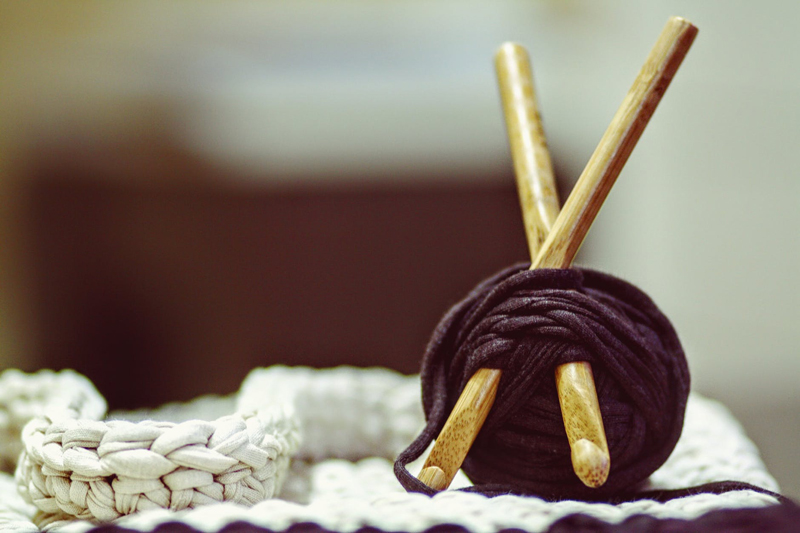

I love ribbed knit bulky cowls, and wanted to design one to be crocheted. It's super quick & easy, and makes a lovely gift or a quick and trendy accessory to keep for yourself!
You will need:
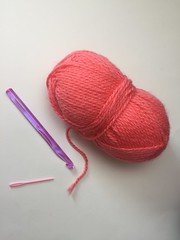
Susan Bates 5-1/2-Inch Crystallites Acrylic Crochet Hook, 11.5mm, Lavender

Bernat Softee Baby Chunky Yarn, Solid, 5 Ounce, Tutu Pink, Single Ball

Let's Get Started
1. Chain 27, skip the two chain spaces closest to your hook, HDC in each chain space. This should give you 25 HDC, plus the stitch you created with the two chain spaces you skipped at the beginning. We will count this as a stitch throughout the pattern. (26)
2.Chain 2, turn, DC 25.
3.Chain 2, turn, BPDC 24, DC in last stitch (the chain 2 space from previous row.)
4.Chain 2, turn, HDC 25.
5.Chain 2, turn, FPHDC 24, HDC in last stitch.
Repeat rows 2-5 seven more times, for a total of 8 sets of ribbing.
Final rib set:
6.Chain 2, turn, DC 25.
7.Chain 2, turn, BPDC 24, DC in last stitch.
8. Do not chain. Bring the two ends of your work together, aligning stitches from first and last rows made. Slip hook through outside loops of the first stitches from hook, draw up loop and create a SC. Continue down the seam, using SC stitches to create your final rib.
Snip your yarn, leaving a 2-3 inch tail. Use a tapestry needle to weave in your end.
You now have a reversible ribbed cowl, easy to slip on, and long enough it can even be worn over the head on cold days!
This pattern contains affiliate links. Thank you for supporting the editors of BellaOnline!
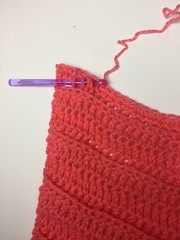 Front post stitch.
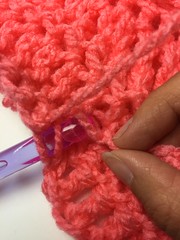 Stitching the seam, using one loop from each side.
You Should Also Read:
Venus Shell Cowl
Quick & Cozy Cowl
Fingerless Gloves

Related Articles
Editor's Picks Articles
Top Ten Articles
Previous Features
Site Map
Content copyright © 2023 by Holly Messenger Aamot. All rights reserved.
This content was written by Holly Messenger Aamot. If you wish to use this content in any manner, you need written permission. Contact Holly Messenger Aamot for details.