

Native American Gifts On-Line
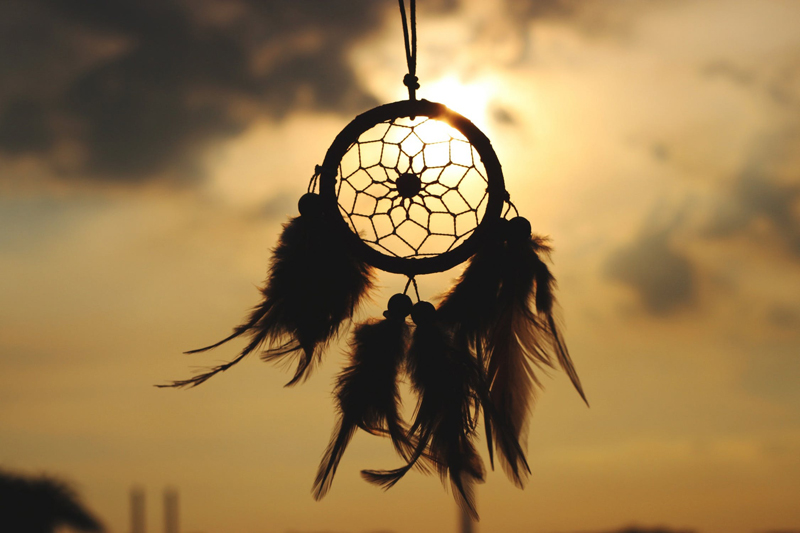
Shopping for gifts can be exhausting and expensive. Traveling from store to crowded store for items on your list is also stressful, and probably why on-line shopping on "Cyber Monday" after Thanksgiving has steadily increased in the US. On the internet, there is so much available with a few clicks and at your convenience. American Indian artists and traders in Native American items are using internet stores to promote their inventory and expand their customer basis. Finding unique, handmade items can be as simple as an internet search.
However on-line shopping can have its share of pitfalls, especially with cultural and hand crafted items. The merchandise can’t be inspected as in a traditional store and shipping terms can vary greatly. For every authentic "Indian made" item, there are hundreds of imitation, mass produced ones. It’s important to know the people behind the website. Many of them set up at Pow Wows and Gatherings across the country and only have email contact on their website due to their travels. Others have websites, but without the on-line order option, requiring a phone call to place an order. This is common for merchants of supplies, such as leather goods, and those who handle custom orders. A website without a phone number or enabled on-line ordering might be a Red Flag to some on-line shoppers.
There are cultural differences to be considered and for many, a website is only one aspect of their marketing efforts. The traditional method of trade, working face to face with customers to ensure needs are met, is not possible with an on-line store. Reputable merchants try their best, within their means, to incorporate some of the traditional aspects of commerce to their website. Shopping with smaller American Indian businesses can require a little extra effort. However, the extra effort is rewarded in receiving authentic items and in supporting one of the many small Native businesses across the US.
Recommendations and referrals have always been relied upon in Indian communities. This tradition continues with on-line stores and one way to get to "know" the artists and merchants through others. Here are a few of mine.
Rex Begaye is a Dine (Navajo) artist from Grand Canyon AZ, now based in Sarasota FL. He travels across the country for art shows, Pow Wows, and Gatherings. His artwork shares the traditions and stories of the Dine with a contemporary flair. I had the privilege to watch him create and own his print entitled "Her Children." Each time I look at it, another detail is revealed. His website features a variety of prints in color and black and white. There are several sizes and price ranges.
The Art of Rex A Begaye
Native American Artworks is a co-op website featuring 11 renowned artists from various Tribes. Biographical information and links to the personal website for each are included for purchasing directly. Terms do vary among the artists, please review carefully. As ribbons are awarded for excellence at Indian Markets such as Santa Fe and Cherokee, demand for that artist’s work and prices tend to increase. For those new to shopping for American Indian art and crafts, this site features quality for comparison to others.
Native American Artworks
Eagle Spirit Store is based in Ocean County NJ, and its owners are of Cherokee heritage. This phrase will appear on many websites for two reasons. First, generally one must be a documented member of a Federal recognized Tribe to state they are "Indian." Second, the Indian Arts and Crafts Act of 1990 implemented strong regulations with steep fines for misrepresentation in advertising of products as "Indian" made. For those of mixed blood, care is taken to correctly, lawfully identify themselves and their inventory. This website has a huge selection of authentic Indian crafted items from Tribes across the US. It also offers merchandise with American Indian and Southwestern themes, from home décor to greeting cards. Although I have not purchased from this site, yet, it is recommended by friends.
Eagle Spirit Store
Shopping for Native American gifts can be an educational experience, and there is much variety in Indian art and crafts. You can learn about the artist and their Tribe, as well as the inspiration and materials used. Knowing some of the differences with "Indian" on-line stores can help in finding a reputable one for the perfect gift. When you find one, keep the tradition going, and refer it to your friends.
However on-line shopping can have its share of pitfalls, especially with cultural and hand crafted items. The merchandise can’t be inspected as in a traditional store and shipping terms can vary greatly. For every authentic "Indian made" item, there are hundreds of imitation, mass produced ones. It’s important to know the people behind the website. Many of them set up at Pow Wows and Gatherings across the country and only have email contact on their website due to their travels. Others have websites, but without the on-line order option, requiring a phone call to place an order. This is common for merchants of supplies, such as leather goods, and those who handle custom orders. A website without a phone number or enabled on-line ordering might be a Red Flag to some on-line shoppers.
There are cultural differences to be considered and for many, a website is only one aspect of their marketing efforts. The traditional method of trade, working face to face with customers to ensure needs are met, is not possible with an on-line store. Reputable merchants try their best, within their means, to incorporate some of the traditional aspects of commerce to their website. Shopping with smaller American Indian businesses can require a little extra effort. However, the extra effort is rewarded in receiving authentic items and in supporting one of the many small Native businesses across the US.
Recommendations and referrals have always been relied upon in Indian communities. This tradition continues with on-line stores and one way to get to "know" the artists and merchants through others. Here are a few of mine.
Rex Begaye is a Dine (Navajo) artist from Grand Canyon AZ, now based in Sarasota FL. He travels across the country for art shows, Pow Wows, and Gatherings. His artwork shares the traditions and stories of the Dine with a contemporary flair. I had the privilege to watch him create and own his print entitled "Her Children." Each time I look at it, another detail is revealed. His website features a variety of prints in color and black and white. There are several sizes and price ranges.
The Art of Rex A Begaye
Native American Artworks is a co-op website featuring 11 renowned artists from various Tribes. Biographical information and links to the personal website for each are included for purchasing directly. Terms do vary among the artists, please review carefully. As ribbons are awarded for excellence at Indian Markets such as Santa Fe and Cherokee, demand for that artist’s work and prices tend to increase. For those new to shopping for American Indian art and crafts, this site features quality for comparison to others.
Native American Artworks
Eagle Spirit Store is based in Ocean County NJ, and its owners are of Cherokee heritage. This phrase will appear on many websites for two reasons. First, generally one must be a documented member of a Federal recognized Tribe to state they are "Indian." Second, the Indian Arts and Crafts Act of 1990 implemented strong regulations with steep fines for misrepresentation in advertising of products as "Indian" made. For those of mixed blood, care is taken to correctly, lawfully identify themselves and their inventory. This website has a huge selection of authentic Indian crafted items from Tribes across the US. It also offers merchandise with American Indian and Southwestern themes, from home décor to greeting cards. Although I have not purchased from this site, yet, it is recommended by friends.
Eagle Spirit Store
Shopping for Native American gifts can be an educational experience, and there is much variety in Indian art and crafts. You can learn about the artist and their Tribe, as well as the inspiration and materials used. Knowing some of the differences with "Indian" on-line stores can help in finding a reputable one for the perfect gift. When you find one, keep the tradition going, and refer it to your friends.
You Should Also Read:
FORUM - More Native American Gift Sources

Related Articles
Editor's Picks Articles
Top Ten Articles
Previous Features
Site Map
Content copyright © 2023 by Jane Winkler. All rights reserved.
This content was written by Jane Winkler. If you wish to use this content in any manner, you need written permission. Contact Jacqueline Olivia Pina for details.
