

Elk Medicine
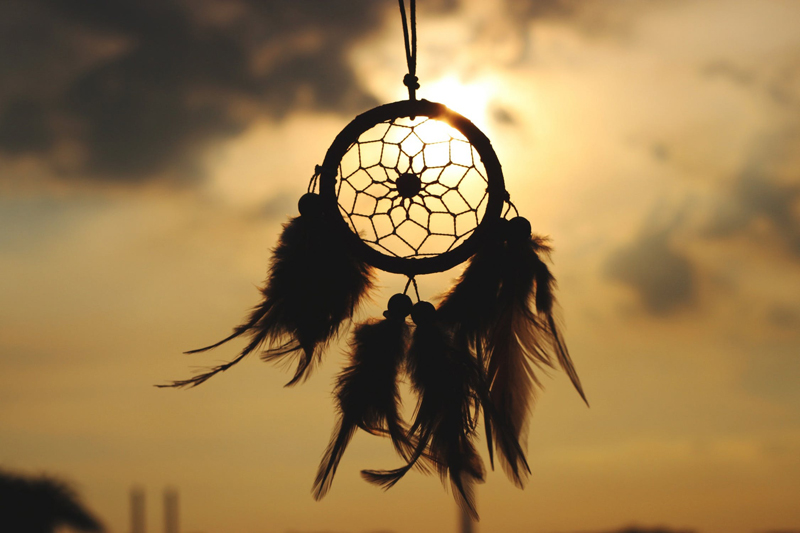
Our Ancestors realized the wonder and value of nature. They looked to nature as a great teacher. We are taught that nature speaks to us if we listen. The secrets of life are revealed among the behavior of animals, the creativity in flower blossoms, and in the whisperings of the trees. Native Storytellers taught that the Creator communicates to humans through the natural world and that we are all part of the natural world.
As we seek ways to lift ourselves up to higher levels of being, such as with peaceful attitudes and clarity of thought, we can look to the magnificent world of the Creator for assistance. We are always connected to the Earth and it to us. The language of life is to survive. By observing and respecting the animal kingdom we learn about survival and how to live in the moment. By choosing to recognize the gift of nature we can transfer some of the skills, courage, and focus demonstrated by animals into our daily lives. By observing the strengths and gifts of an animal we recognize their Medicine. Their Medicine is the animal’s natural powers which are directed by the Divine. An animal’s total trust in its inner guidance and its ability to respond in the moment can teach us much about how to function under the Creator’s care.
One such magnificent expression of life is the Elk. The Elk is one of the most regal animals in North America. Known as Wapiti, by the Shawnee, the Elk is also the largest of the deer family and thought by many to be the most beautiful. Its antlers, which resemble the branches of a tree, are shed annually. The male elk, known as a bull, can reach a length of 9.5 feet and a height of five feet. He can weigh up to 800 pounds. Elk have few natural enemies.
Elk represent strength and nobility because they are an animal of great power and stamina. Elk can run at a fast trotting pace for extended periods of time. Its primary defense is to outrun its predators, mountain lions and grizzlies. Elk seem to have a good sense of responsibility towards one another as they congregate and live in herds, staying mostly with their own gender. Group support is demonstrated among the cows as one or two stay with the young while other mothers gather food. Also, after mating season is over and antlers have been shed, bulls form bachelor groups and send scouts out on patrol while the rest feed and rest.
Elk Medicine provides examples of regal strength and beauty, unity and collaboration, and responsibility and power. Our Ancestors lived in communities where the highest good of all was a priority. Our strength was like that of the Elk, we took care of one another. We can still learn from Elk today as we walk the path of life. Gather your personal power and take a regal stance as you lead your self, your family, your workplace, and your community back to the wisdom of nature where Creator abides. Trust in the power.
Learning about the animal kingdom helps in balancing and bridging our own energies so that we can function at higher levels of being. We can use the examples that nature graciously provides to recognize and build upon our own innate abilities. As we learn about ourselves we heal, we inspire others, and we continue to grow. The healing aspects that particular animal Medicine brings to our consciousness can empower us and restore us. As we pay reverence towards our natural kingdom we also pay reverence to its Creator and ourselves.
As we seek ways to lift ourselves up to higher levels of being, such as with peaceful attitudes and clarity of thought, we can look to the magnificent world of the Creator for assistance. We are always connected to the Earth and it to us. The language of life is to survive. By observing and respecting the animal kingdom we learn about survival and how to live in the moment. By choosing to recognize the gift of nature we can transfer some of the skills, courage, and focus demonstrated by animals into our daily lives. By observing the strengths and gifts of an animal we recognize their Medicine. Their Medicine is the animal’s natural powers which are directed by the Divine. An animal’s total trust in its inner guidance and its ability to respond in the moment can teach us much about how to function under the Creator’s care.
One such magnificent expression of life is the Elk. The Elk is one of the most regal animals in North America. Known as Wapiti, by the Shawnee, the Elk is also the largest of the deer family and thought by many to be the most beautiful. Its antlers, which resemble the branches of a tree, are shed annually. The male elk, known as a bull, can reach a length of 9.5 feet and a height of five feet. He can weigh up to 800 pounds. Elk have few natural enemies.
Elk represent strength and nobility because they are an animal of great power and stamina. Elk can run at a fast trotting pace for extended periods of time. Its primary defense is to outrun its predators, mountain lions and grizzlies. Elk seem to have a good sense of responsibility towards one another as they congregate and live in herds, staying mostly with their own gender. Group support is demonstrated among the cows as one or two stay with the young while other mothers gather food. Also, after mating season is over and antlers have been shed, bulls form bachelor groups and send scouts out on patrol while the rest feed and rest.
Elk Medicine provides examples of regal strength and beauty, unity and collaboration, and responsibility and power. Our Ancestors lived in communities where the highest good of all was a priority. Our strength was like that of the Elk, we took care of one another. We can still learn from Elk today as we walk the path of life. Gather your personal power and take a regal stance as you lead your self, your family, your workplace, and your community back to the wisdom of nature where Creator abides. Trust in the power.
Learning about the animal kingdom helps in balancing and bridging our own energies so that we can function at higher levels of being. We can use the examples that nature graciously provides to recognize and build upon our own innate abilities. As we learn about ourselves we heal, we inspire others, and we continue to grow. The healing aspects that particular animal Medicine brings to our consciousness can empower us and restore us. As we pay reverence towards our natural kingdom we also pay reverence to its Creator and ourselves.

Related Articles
Editor's Picks Articles
Top Ten Articles
Previous Features
Site Map
Content copyright © 2023 by Jacqueline Olivia Pina. All rights reserved.
This content was written by Jacqueline Olivia Pina. If you wish to use this content in any manner, you need written permission. Contact Jacqueline Olivia Pina for details.
