

Deciding if Distance Learning is Right for You
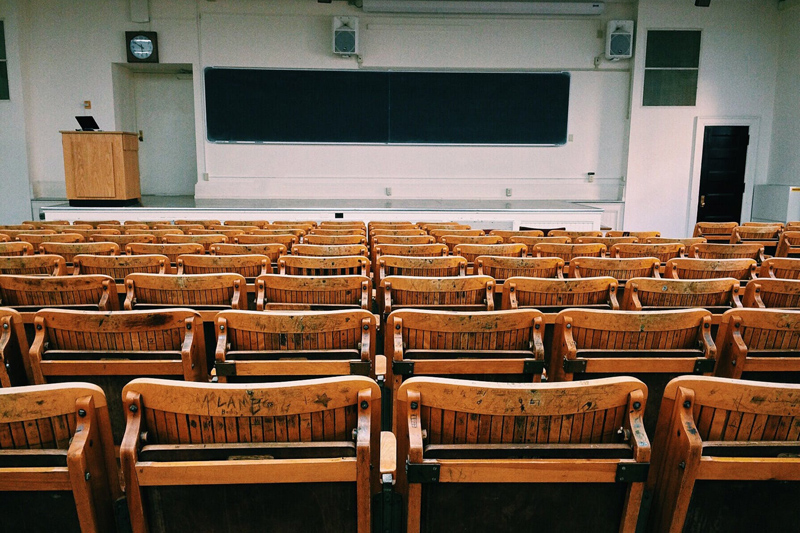
There are many options for continuing your education right now and it can be overwhelming. The decision of whether or not to go to graduate school is not only about whether or not it is the right move professionally but also whether or not it is the right move personally. If you have decided that now is the right time in your career to pursue an advanced degree but can’t figure out how to fit school into your busy life, distance learning might be the answer for you.
As distance learning programs become increasingly mainstream, more and more schools are offering online programs. Online graduate degree programs are generally asynchronous so they offer the flexibility to be able to complete your coursework when you can fit it into your schedule. This is great because it allows you to still work full-time if you need to and you can work your school schedule around your family also. This path is not right for everyone though. Online programs require more self-motivation and independence than face-to-face classroom environments. You need to be organized, dedicated and focused. Also, if you have found through experience that you need to be face-to-face with the instructor in order to understand certain concepts then distance learning may not be for you. However, many, if not most, online learning programs include a discussion component that happens on asynchronous discussion boards so you do interact with your peers.
It is important to know though that not all distance learning programs are actually online courses with an instructor/professor. In programs such as The College Network, most or all of your classes (depending on the program you choose) are actually text books that you review without the help of an instructor/professor and then you test out of the course. If you are comfortable learning on your own and only from a text book, this is an inexpensive option.
If your learning style fits the distance learning format, if you have the focus, motivation and drive to keep on track without having a set day and time to go to a classroom, if you have somewhere you can study and you can stay organized, then distance learning may be a good fit for you. In upcoming weeks we will discuss some of the programs that are available.
Please join us in this week’s Graduate School forum discussion on distance learning and share your thoughts and questions.
As distance learning programs become increasingly mainstream, more and more schools are offering online programs. Online graduate degree programs are generally asynchronous so they offer the flexibility to be able to complete your coursework when you can fit it into your schedule. This is great because it allows you to still work full-time if you need to and you can work your school schedule around your family also. This path is not right for everyone though. Online programs require more self-motivation and independence than face-to-face classroom environments. You need to be organized, dedicated and focused. Also, if you have found through experience that you need to be face-to-face with the instructor in order to understand certain concepts then distance learning may not be for you. However, many, if not most, online learning programs include a discussion component that happens on asynchronous discussion boards so you do interact with your peers.
It is important to know though that not all distance learning programs are actually online courses with an instructor/professor. In programs such as The College Network, most or all of your classes (depending on the program you choose) are actually text books that you review without the help of an instructor/professor and then you test out of the course. If you are comfortable learning on your own and only from a text book, this is an inexpensive option.
If your learning style fits the distance learning format, if you have the focus, motivation and drive to keep on track without having a set day and time to go to a classroom, if you have somewhere you can study and you can stay organized, then distance learning may be a good fit for you. In upcoming weeks we will discuss some of the programs that are available.
Please join us in this week’s Graduate School forum discussion on distance learning and share your thoughts and questions.

Related Articles
Editor's Picks Articles
Top Ten Articles
Previous Features
Site Map
Content copyright © 2023 by Nicole Amos. All rights reserved.
This content was written by Nicole Amos. If you wish to use this content in any manner, you need written permission. Contact Nicole Amos for details.
