In order to appreciate the beauty of a moment, sometimes one must take a step outside the picture. This separation provides the observer a clean palate from which to take things in. Paris, as presented from the vantage point of a worn green lawn chair, is a worthy retreat.
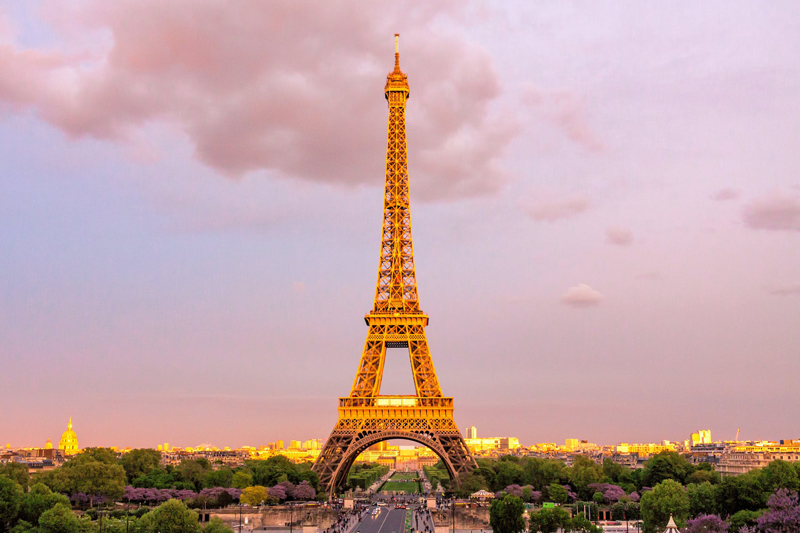
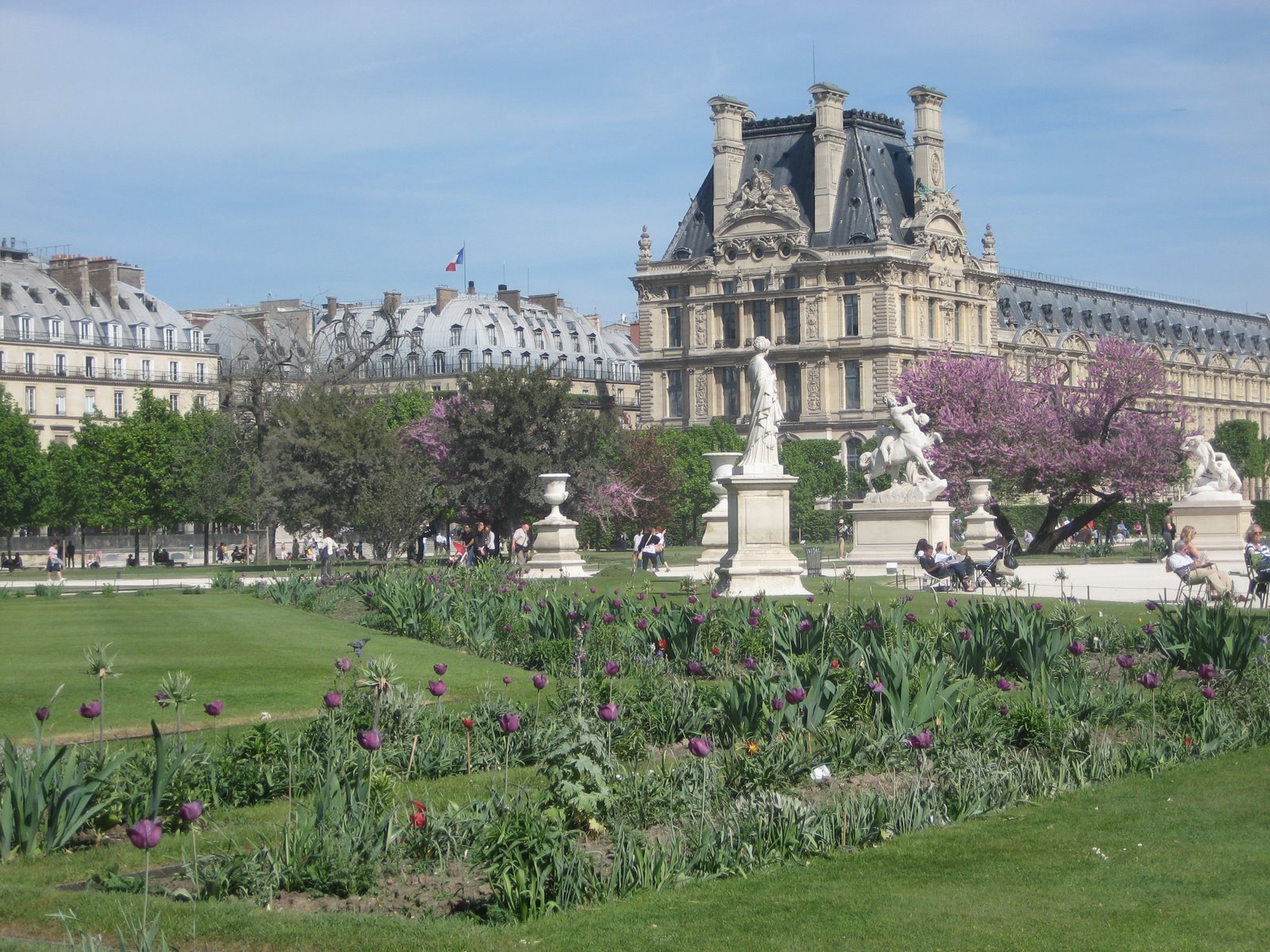
Sitting opposite the fountain of the Grand Bassin in the company of sunbathers and bemused artists, I discovered why Parisians picnic in the Jardin de Tuileries, the 2, 500 acre backyard of the Louvre. The Concorde monument stands erect, mirrored to its left by the skeleton of the Tour Eiffel. Sandwiched between the two, atop the glass roof of the Grande Palace, flies the French drapeau in stripes of red, white and blue. And, in the distance of the tree-lined Avenue Champs Elysées stands the Arche de Triomphe.
Inside the walls, the park is divided into a patchwork of grassy squares. A melange of modern sculpture compliments the centuries of history that reside on the ashes of Catherine de Medicis’ palace. Chains trace each plot’s perimeter, marred by signs that declare “Pelouse Interdit.” They are ignored in secluded corners where guests lounge on the lawn in protest. In one garden the cast figure of a fallen tree provides a focal point, lying across a bed of flowers. Surrounded by museums, every path leads to a unique experience.
Situated South of the front entry, a queue stretches around the newly renovated Musée de l’Orangerie. Inside lies the realization of Claude Monet’s dreams: interlocking circles form a symbol of infinity, lined in a wallpaper of his Grands Nymphéas oil paintings. He invites us within the watery confines of his Giverny garden where Willow trees dangle their limp branches amidst a sunset captured in hues of red, orange and blue. Clouds from overhead are reflected in the muddled water amongst the vibrant heads of water lilies.
I underestimated the museum, not expecting the diverse impressionist collection originally willed to the Louvre by Parisian art dealer Paul Guillaume. His widow Domenica found the Orangerie a more suitable home. I came to know more intimately the work of Cézanne, Renoir, Modigliani, and Rousseau after strolling through the narrow dogtrot gallery. Matisse’s colourful fauvist style of peinture displayed is said to reflect his temperament during that period, reminiscent of breezy summer afternoons near the sea. Unfamiliar with the work of Laurencin, I became acquainted with the graceful, hollow-eyed dancers of her canvases. The twisted acidic landscapes of Soutine, redolent of many a Van Gough painting, were saved for last. Although the collection is not immense, it is composed of notable work and worth the 7 euro entry fee. If tickets are purchased in advance, the wait can be altogether avoided.
Opposite the park nearest Rue de Rivoli lies a space dedicated to contemporary art. Currently being exhibited at the Jeu de Paume is the work of photographer Cindy Sherman whose subject matter of choice is often herself. With the aid of pancake makeup and prosthetic body parts, she is manipulated into compromised storybook characters. While most of the world searches for ideal beauty, her shutter records an unflattering reflection of herself. Also a part of the menagerie are grotesquely manipulated doll parts that bear the disclaimer, “Not suitable for young audiences.” This exhibit does not have universal appeal but is worth a peek if you are a fan of photography.
Parting from the park, you may choose to exit through the back gate, under the horse adorned Arc du Carrousel and into the court of the Louvre. Or, retrace your steps back to the Place de la Concorde. As you become a part of the picture, lose yourself in the heart of Paris.


Save to Del.icio.us