

Peace Lily
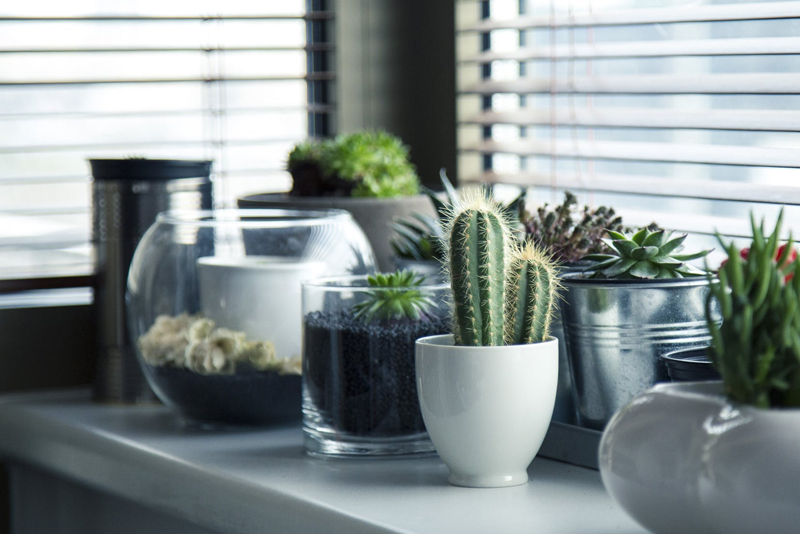
Spathiphyllum, more commonly known as a Spath plant or a Peace Lily was once grown primarily for its foliage, but it’s pretty white flower has gained a reputation of its own. Peace Lilies are popular gifts and are quite common and easy to obtain. Peace Lily is an easy plant and a joy for beginners and experienced growers alike.
Diagnosing light problems is an important issue with Peace Lily. The two most frequently heard questions regarding this plant are: “Why isn’t my plant flowering” and “Why are there brown spots on the leaves?” Usually the reason this plant doesn’t flower is because it isn’t getting enough light. Peace Lilies like to get lots of light. Some varieties can handle some full sun if they are protected during the middle of the day, but like many other flowering houseplants, bright indirect sun is best. Brown spots on leaves and leaf tips are usually a good indication that the plant is getting too much sun. Moving the plant back from the window a couple of feet or to another slightly more protected area is a good idea.
Spathiphyllum should never be allowed to dry out, but take care not to over-water. If leaves seem to dry up and die frequently, the plant is likely not getting enough water. If the plant wilts, it could be from either too much or too little water. This can be determined by the state the potting mix is in. If the potting mix is bone dry then it’s obviously been under-watered. Over-watering can be slightly more difficult to diagnose. Take the plant out of the pot: if the roots are white and firm the plant may just need some time to take up some water. If there don’t appear to be many roots or if the roots are brown, mushy, or smell bad then it has likely rotted.
Peace Lilies like the warmer temperatures found indoors. They also enjoy some humidity which is often not found indoors, especially in the winter. Misting the plant is one possible solution. Humidity trays and humidifiers are even more beneficial. Keep the plant away from drafty areas.
The Peace Lily is a heavy feeder, especially in the summer. Skimpy, yellowing leaves can indicate that the plant is not receiving enough fertilizer, so keep an eye out. Fertilizing at every other watering is usually sufficient. If one were interested in propagating a Peace Lily, it could most easily be done by dividing the plant.
The most common pests of Peace Lily are mealy bug, spider mites, and aphids. Spider mites tend to pop up when the humidity is low, so maintaining sufficient humidity for the plant will help keep them at bay. Remove spent flowers as soon as they start to fade and any dead or dying leaves. These are some of the favorite hiding places of pests.
On a final note, Spathiphyllum is a member of the Arum plant family which is known to contain calcium oxalate crystals. While being only mildly irritating when ingested in small amounts, serious problems can arise if children or pets eat this plant. Treat it as toxic, to be safe. If the consumption of this plant is not an issue at your home or in your office, feel good about the fact that this plant is known to be one of the best natural air filters out there. It is reputed to clean formaldehyde, carbon monoxide and benzene from the air. Now that’s something anyone can appreciate.
Diagnosing light problems is an important issue with Peace Lily. The two most frequently heard questions regarding this plant are: “Why isn’t my plant flowering” and “Why are there brown spots on the leaves?” Usually the reason this plant doesn’t flower is because it isn’t getting enough light. Peace Lilies like to get lots of light. Some varieties can handle some full sun if they are protected during the middle of the day, but like many other flowering houseplants, bright indirect sun is best. Brown spots on leaves and leaf tips are usually a good indication that the plant is getting too much sun. Moving the plant back from the window a couple of feet or to another slightly more protected area is a good idea.
Spathiphyllum should never be allowed to dry out, but take care not to over-water. If leaves seem to dry up and die frequently, the plant is likely not getting enough water. If the plant wilts, it could be from either too much or too little water. This can be determined by the state the potting mix is in. If the potting mix is bone dry then it’s obviously been under-watered. Over-watering can be slightly more difficult to diagnose. Take the plant out of the pot: if the roots are white and firm the plant may just need some time to take up some water. If there don’t appear to be many roots or if the roots are brown, mushy, or smell bad then it has likely rotted.
Peace Lilies like the warmer temperatures found indoors. They also enjoy some humidity which is often not found indoors, especially in the winter. Misting the plant is one possible solution. Humidity trays and humidifiers are even more beneficial. Keep the plant away from drafty areas.
The Peace Lily is a heavy feeder, especially in the summer. Skimpy, yellowing leaves can indicate that the plant is not receiving enough fertilizer, so keep an eye out. Fertilizing at every other watering is usually sufficient. If one were interested in propagating a Peace Lily, it could most easily be done by dividing the plant.
The most common pests of Peace Lily are mealy bug, spider mites, and aphids. Spider mites tend to pop up when the humidity is low, so maintaining sufficient humidity for the plant will help keep them at bay. Remove spent flowers as soon as they start to fade and any dead or dying leaves. These are some of the favorite hiding places of pests.
On a final note, Spathiphyllum is a member of the Arum plant family which is known to contain calcium oxalate crystals. While being only mildly irritating when ingested in small amounts, serious problems can arise if children or pets eat this plant. Treat it as toxic, to be safe. If the consumption of this plant is not an issue at your home or in your office, feel good about the fact that this plant is known to be one of the best natural air filters out there. It is reputed to clean formaldehyde, carbon monoxide and benzene from the air. Now that’s something anyone can appreciate.
This site needs an editor - click to learn more!
You Should Also Read:
Types of Plant Toxicity
Repotting a Plant
Houseplants Newsletter
Related Articles
Editor's Picks Articles
Top Ten Articles
Previous Features
Site Map
Content copyright © 2023 by Lisa Beth Voldeck. All rights reserved.
This content was written by Lisa Beth Voldeck. If you wish to use this content in any manner, you need written permission. Contact
BellaOnline Administration
for details.
