

Using Herbs in an English Garden
The fragrance and texture of herbs are an important part of any English garden. If you like to cook, they’ll give you the bonus of flavoring your meals.
Where to plant herbs
Herbs are frequently scattered throughout the English garden, rather than just in one bed. This is especially true in the English Cottage Garden style of gardening. You could also plant them throughout your vegetable garden so you can gather your harvest all in one place. Or plant them near your kitchen door so you can easily snip a few while you’re cooking.
For a more formal herb garden, plant all the herbs in one bed with a focal point in the middle. The focal point could be a tall herb such as dill or lemon verbena, or a sundial, or an urn with herbs planted in it. Or you might find an herb such as rosemary trained into a topiary spiral to use as a focal point. For a larger focal point, you could use a rose, bay, or dwarf fruit tree on a standard.
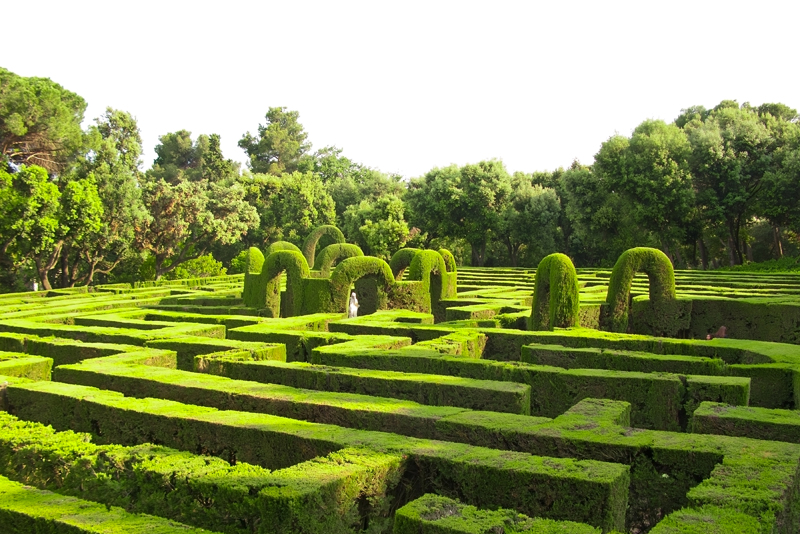
A large herb garden lends itself well to a formal geometric shape like a circle or diamond of boxwood with the herbs inside. For a less formal look, you could use catmint, germander (Teucrium chamaedrys), cotton lavender (Santolina), rosemary or lavender as your border instead of boxwood. These plants are less formal because they sprawl a bit more. So if you like a very tidy look, stick with boxwood.
Large herb gardens should have at least one path to make it easy to reach your herbs and to weed.
If you have a bench anywhere in your garden, plant some low-growing herbs such as chamomile and thyme under the seat. These can take some light foot traffic, so they can also be used along a path. And, of course, they’ll release their scent as you walk on them.
Most herbs like full sun, so make sure they get at least six hours of sun per day. In the hottest areas of the country, plant them in a spot where they’ll get some afternoon shade.
They also like well-drained soil so be sure to place them where they won’t be sitting in wet spots.
Herbs don’t like to be battered by wind, so place them in a somewhat protected spot.
How to plant herbs
Most herbs like a neutral soil PH, so if your soil is acid, add some lime and / or mushroom manure to the soil. If your soil is alkaline, add some garden sulfur or peat moss.
Also add some well-rotted compost and a little sand to the soil to help create a nice, organic base.
Add some color to your herb garden by planting edible flowers like nasturtiums, borage, and pot marigolds.
Pronounce Herb with a hard “H” to be really English!
Where to plant herbs
Herbs are frequently scattered throughout the English garden, rather than just in one bed. This is especially true in the English Cottage Garden style of gardening. You could also plant them throughout your vegetable garden so you can gather your harvest all in one place. Or plant them near your kitchen door so you can easily snip a few while you’re cooking.
For a more formal herb garden, plant all the herbs in one bed with a focal point in the middle. The focal point could be a tall herb such as dill or lemon verbena, or a sundial, or an urn with herbs planted in it. Or you might find an herb such as rosemary trained into a topiary spiral to use as a focal point. For a larger focal point, you could use a rose, bay, or dwarf fruit tree on a standard.
A large herb garden lends itself well to a formal geometric shape like a circle or diamond of boxwood with the herbs inside. For a less formal look, you could use catmint, germander (Teucrium chamaedrys), cotton lavender (Santolina), rosemary or lavender as your border instead of boxwood. These plants are less formal because they sprawl a bit more. So if you like a very tidy look, stick with boxwood.
Large herb gardens should have at least one path to make it easy to reach your herbs and to weed.
If you have a bench anywhere in your garden, plant some low-growing herbs such as chamomile and thyme under the seat. These can take some light foot traffic, so they can also be used along a path. And, of course, they’ll release their scent as you walk on them.
Most herbs like full sun, so make sure they get at least six hours of sun per day. In the hottest areas of the country, plant them in a spot where they’ll get some afternoon shade.
They also like well-drained soil so be sure to place them where they won’t be sitting in wet spots.
Herbs don’t like to be battered by wind, so place them in a somewhat protected spot.
How to plant herbs
Most herbs like a neutral soil PH, so if your soil is acid, add some lime and / or mushroom manure to the soil. If your soil is alkaline, add some garden sulfur or peat moss.
Also add some well-rotted compost and a little sand to the soil to help create a nice, organic base.
Add some color to your herb garden by planting edible flowers like nasturtiums, borage, and pot marigolds.
Pronounce Herb with a hard “H” to be really English!
You Should Also Read:
Design your English garden path
English Lavender
Culinary Herbs in an English Garden

Related Articles
Editor's Picks Articles
Top Ten Articles
Previous Features
Site Map
Content copyright © 2023 by Carol Chernega. All rights reserved.
This content was written by Carol Chernega. If you wish to use this content in any manner, you need written permission. Contact Carol Chernega for details.
