

Navigating Campus

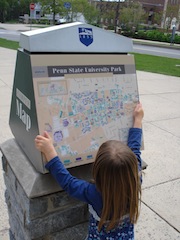
Navigating around a college campus can feel like walking through a maze if you are not familiar with the resources available. Colleges have many departments, each with its own specialization, designed to help students. Understanding where to turn for help in specific situations can make your college journey easier. While the names and services provided vary from office to office, many colleges use similar office titles and provide similar services. Below is a list of some of the typical office titles and some of the services each generally provide.
Academic Advising Center
Many colleges have academic advising centers staffed with professional Academic advisors (also called academic advisers or academic counselors) who help students understand degree requirements and promote college success. Some other colleges have professors providing all advising out of their own departmental offices. Colleges may offer either of these types of advising models or a combination of faculty and professional advisers.
Admissions Office
This office recruits new students and reviews admissions applications. Admissions counselors and admissions representatives provide information about the admissions process, arrange campus tours, and can answer many general questions about academics and processes on campus.
Bursar / Cashier / Student Accounts Office
This office sends bills and collects fees, such as tuition and housing bills. Visit this office to pay bills, to arrange payments plans, and to verify payments received.
Career Center
This office generally assists students with career and major selection, provides internship information, and offers job search assistance. Contact this office for career and internship information and for help with your job search. For best results, visit this office early in your college career to prepare for your post-college job search.
Counseling Center
Many, but not all, colleges offer counseling services. Some colleges have a center on campus staffed with licensed mental health-care professionals and graduate students in mental health programs that provide mental health services to students. Some other colleges have academic counselors who provide both academic advising and personal counseling.
Financial Aid Office
This office awards financial aid to students based on their eligibility, government policies, and the colleges' guidelines. Many financial aid offices also coordinate work-study programs (campus employment that is part of a some financial aid packages). Contact this office with questions about your student aid or when you have special circumstances that may affect your ability to contribute toward your own college expenses.
Health Services
Many colleges have a clinic that will provide basic health care and health information for students.
Police / Security Office
Colleges want to provide a safe environment for students. Therefore, most colleges with a physical campus have security or police officers on campus. In addition to enforcing laws and providing security, this office often handles parking permits.
Registrar / Records Office
This office maintains student records. Contact this office when you need transcripts, enrollment verification, or other information about your student records.
Residence Life Office
This office oversees the university housing and other residence hall activities. Visit this office with housing or roommate questions.
Student Activities Office
This office oversees student groups and arranges student activities. Visit this office to find out how to get involved with activities or to start a student group.
Student Affairs Office
Student affairs is a broad term that can cover any college department that provides services to support students. The specific services provided under the umbrella of student affairs varies among colleges.
Tutoring Center
Many colleges provide tutoring services to help students succeed in their courses. These services may be provided by fellow students (peer tutoring) or by professionals. Tutoring is not always available for every course; check with this office to see what services are available.
Understanding the services provided by the offices at your college will help you as you make your way through your college experience. Use the list above to know where to turn when you need assistance.
Academic Advising Center
Many colleges have academic advising centers staffed with professional Academic advisors (also called academic advisers or academic counselors) who help students understand degree requirements and promote college success. Some other colleges have professors providing all advising out of their own departmental offices. Colleges may offer either of these types of advising models or a combination of faculty and professional advisers.
Admissions Office
This office recruits new students and reviews admissions applications. Admissions counselors and admissions representatives provide information about the admissions process, arrange campus tours, and can answer many general questions about academics and processes on campus.
Bursar / Cashier / Student Accounts Office
This office sends bills and collects fees, such as tuition and housing bills. Visit this office to pay bills, to arrange payments plans, and to verify payments received.
Career Center
This office generally assists students with career and major selection, provides internship information, and offers job search assistance. Contact this office for career and internship information and for help with your job search. For best results, visit this office early in your college career to prepare for your post-college job search.
Counseling Center
Many, but not all, colleges offer counseling services. Some colleges have a center on campus staffed with licensed mental health-care professionals and graduate students in mental health programs that provide mental health services to students. Some other colleges have academic counselors who provide both academic advising and personal counseling.
Financial Aid Office
This office awards financial aid to students based on their eligibility, government policies, and the colleges' guidelines. Many financial aid offices also coordinate work-study programs (campus employment that is part of a some financial aid packages). Contact this office with questions about your student aid or when you have special circumstances that may affect your ability to contribute toward your own college expenses.
Health Services
Many colleges have a clinic that will provide basic health care and health information for students.
Police / Security Office
Colleges want to provide a safe environment for students. Therefore, most colleges with a physical campus have security or police officers on campus. In addition to enforcing laws and providing security, this office often handles parking permits.
Registrar / Records Office
This office maintains student records. Contact this office when you need transcripts, enrollment verification, or other information about your student records.
Residence Life Office
This office oversees the university housing and other residence hall activities. Visit this office with housing or roommate questions.
Student Activities Office
This office oversees student groups and arranges student activities. Visit this office to find out how to get involved with activities or to start a student group.
Student Affairs Office
Student affairs is a broad term that can cover any college department that provides services to support students. The specific services provided under the umbrella of student affairs varies among colleges.
Tutoring Center
Many colleges provide tutoring services to help students succeed in their courses. These services may be provided by fellow students (peer tutoring) or by professionals. Tutoring is not always available for every course; check with this office to see what services are available.
Understanding the services provided by the offices at your college will help you as you make your way through your college experience. Use the list above to know where to turn when you need assistance.

Related Articles
Editor's Picks Articles
Top Ten Articles
Previous Features
Site Map
Content copyright © 2023 by Susan D. Bates. All rights reserved.
This content was written by Susan D. Bates. If you wish to use this content in any manner, you need written permission. Contact Eliza Morrison Nimmich for details.
