Frozen Rose Wine is Frose
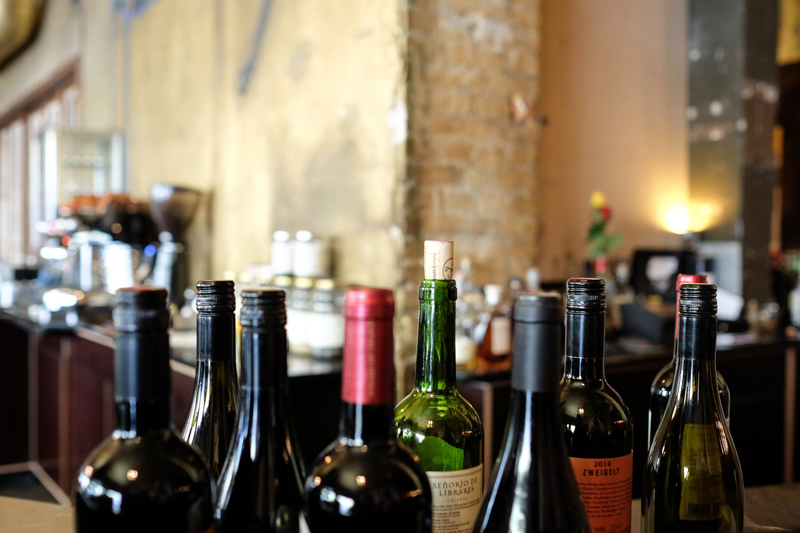
When ice and wine have come together it’s traditionally been a bottle placed in a bucket of ice to chill. Putting an ice-cube or two into a glass of wine has been frowned on by wine snobs.
But this is a new century and in recent years we’ve seen wines brought onto the market that are designed, so the producers say, to be poured into an ice-filled tall glass. These brands seem to have vanished leaving little trace.
More successful has been Moet & Chandon’s Ice Imperial that is intended to be served over ice and garnished with fruit. The bottle is opaque white and Moet supply bars with large goblets of the same white glass as a traditional Champagne flute would not be large enough.
However a completely different take on ice and wine has been sweeping bars this summer, and it’s got a memorable name – frosé, which as a combination of frozen and rosé describes it perfectly.
It’s been interpreted in different ways but at heart it is pink wine, mixed with fruit and frozen to a slush. There are several recipes, but the original frosé recipe comprises Sicilian Rosé, Rosato Vermouth and Strawberry. It was invented in Bar Primi, an Italian pasta shop on the border of NoHo and the East Village in New York.
They wanted to make a long drink for long hot afternoons. General Manager Justin Sievers says: “Somebody said something like, ‘Man, it’s rosé season, what should we do?’ “And I was like, what if we just dump a bunch of rosé into the slushie machine and see if it freezes. So we did.”
Primi’s recipe adds pink Vermouth, others add vodka, but not all add additional alcohol. Some add sweetening sugar or honey, others just fruit. Indeed there’s no consistency
To make frosé at home you need a blender and the basics are
1) Freeze the contents of a bottle of pink wine in ice-cube trays or ziplock bags. (not in the bottle which could shatter). A deep coloured wine will work best in giving a good looking drink as the wine can lose colour and flavour in the process.
2) Take a large handful of dehulled strawberries (or other prepared red fruit), place in bowl and sprinkle with fine sugar and place in fridge till the wine is frozen.
3) Put frozen wine and strawberry sugar mix in a blender and blitz till you have a slush.
4) Decorate with a strawberry and enjoy before it melts.
Have you made or tasted frosé? Tell use on our forum.
Peter F May is the author of Marilyn Merlot and the Naked Grape: Odd Wines from Around the World which features more than 100 wine labels and the stories behind them, and PINOTAGE: Behind the Legends of South Africa’s Own Wine which tells the story behind the Pinotage wine and grape.
But this is a new century and in recent years we’ve seen wines brought onto the market that are designed, so the producers say, to be poured into an ice-filled tall glass. These brands seem to have vanished leaving little trace.
More successful has been Moet & Chandon’s Ice Imperial that is intended to be served over ice and garnished with fruit. The bottle is opaque white and Moet supply bars with large goblets of the same white glass as a traditional Champagne flute would not be large enough.
However a completely different take on ice and wine has been sweeping bars this summer, and it’s got a memorable name – frosé, which as a combination of frozen and rosé describes it perfectly.
It’s been interpreted in different ways but at heart it is pink wine, mixed with fruit and frozen to a slush. There are several recipes, but the original frosé recipe comprises Sicilian Rosé, Rosato Vermouth and Strawberry. It was invented in Bar Primi, an Italian pasta shop on the border of NoHo and the East Village in New York.
They wanted to make a long drink for long hot afternoons. General Manager Justin Sievers says: “Somebody said something like, ‘Man, it’s rosé season, what should we do?’ “And I was like, what if we just dump a bunch of rosé into the slushie machine and see if it freezes. So we did.”
Primi’s recipe adds pink Vermouth, others add vodka, but not all add additional alcohol. Some add sweetening sugar or honey, others just fruit. Indeed there’s no consistency
To make frosé at home you need a blender and the basics are
1) Freeze the contents of a bottle of pink wine in ice-cube trays or ziplock bags. (not in the bottle which could shatter). A deep coloured wine will work best in giving a good looking drink as the wine can lose colour and flavour in the process.
2) Take a large handful of dehulled strawberries (or other prepared red fruit), place in bowl and sprinkle with fine sugar and place in fridge till the wine is frozen.
3) Put frozen wine and strawberry sugar mix in a blender and blitz till you have a slush.
4) Decorate with a strawberry and enjoy before it melts.
Have you made or tasted frosé? Tell use on our forum.
Peter F May is the author of Marilyn Merlot and the Naked Grape: Odd Wines from Around the World
which features more than 100 wine labels and the stories behind them, and PINOTAGE: Behind the Legends of South Africa’s Own Wine which tells the story behind the Pinotage wine and grape. 
Related Articles
Editor's Picks Articles
Top Ten Articles
Previous Features
Site Map
Content copyright © 2023 by Peter F May. All rights reserved.
This content was written by Peter F May. If you wish to use this content in any manner, you need written permission. Contact Peter F May for details.