Mission Hill Winery - Okanagan
| Mission Hill is the most visited winery in the Okanagan Valley, British Columbia. More than 100,000 visitors come very year to taste wine, admire the architecture and eat in its gourmet restaurant. Mission Hill is located on a hill on the western bank of Okanagan Lake, in South Kelowna. Its approach road is lined with attractive new housing with good lake view. At the summit is the entrance to the winery. The car park is lined with immaculately trimmed bushes and as you head to the winery you find a vineyard with manicured vines in regimented lines pointing down to the lake. A dramatic arch at the entrance frames a twelve-story campanile tower at the end of a neatly mowed lawn. The winery buildings flank the tower but we headed right to a huge wooden door that opened into the tasting room and wine gift shop. We were just in time to book ‘The Discovery’ tour which cost $20 per person but, we were told, we would be given a $10 discount voucher at the end. (A pledge that wasn’t totally honest as the voucher had a hefty minimum spend level). We met under the entrance arch and listed to the attractive sound of Mission Hill’s bells, cast in France, peal a four-minute tune. Then our group of about a dozen stepped into the vineyard for an explanation (which wasn’t wholly accurate) about grape growing and viticulture. Mission Hill owns vineyards in five different regions of the valley. We then headed to the winery building and headed downstairs into their impressive barrel cellar that had been blasted out of volcanic rock. There is an exhibit of historic amphora and ancient wine containers. Back upstairs we were taken to a small room for a private tasting of four wines: Pinot Blanc Reserve 2009, Select Lot Collection Sauvignon Blanc-Semillon 2008, Select Lot Collection Syrah 2008, and Cabernet Sauvignon Reserve 2008. These were fine wines with a classic European angularity but there wasn’t time to linger, we were hurriedly issued with our discount vouchers and disgorged to the bustle of the main tasting room. The Terrace Restaurant named in 2008 by Travel + Leisure magazine as “one of the top five winery restaurants in the world”, but we weren’t tempted by the menu and lunched elsewhere. Mission Hill make beautiful serious wines and the winery is a must to visit when you are in the area, not only for its wines but its location and architecture and it was named 2011 Winery of the Year in the InterVin International Wine Awards and won the IWSC 2011 Trophy for Canadian Producer of the Year. But understand that it is a busy tourist packed destination and tasting counters can get packed. Ask questions and talk about wine on our forum.
Disclosure: Peter F May visited Okanagan at his own expense. All accommodation, meals, food, wine, transport tour-guides and visits were paid for. | 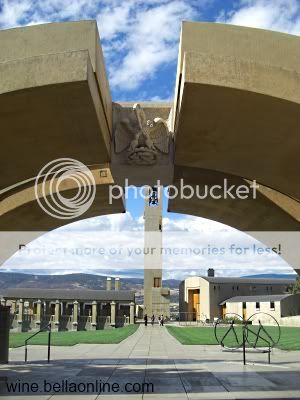 Arch at Mission Hill 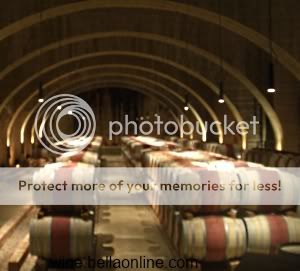 Barrel Cellar 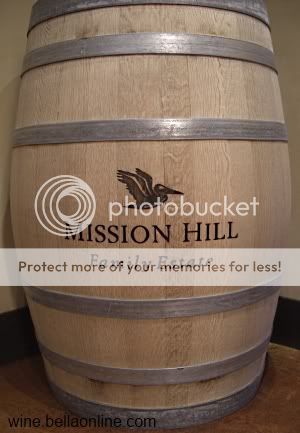 Mission Hill Barrel 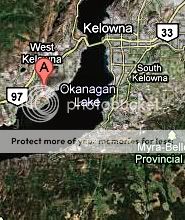 Mission Hill Location |
You Should Also Read:
Okanagan Ice-Wine at Inniskillin
Okanagan's Indian Wines

Related Articles
Editor's Picks Articles
Top Ten Articles
Previous Features
Site Map
Content copyright © 2023 by Peter F May. All rights reserved.
This content was written by Peter F May. If you wish to use this content in any manner, you need written permission. Contact Peter F May for details.