Verbal Child Abuse - The Invisible Abuse
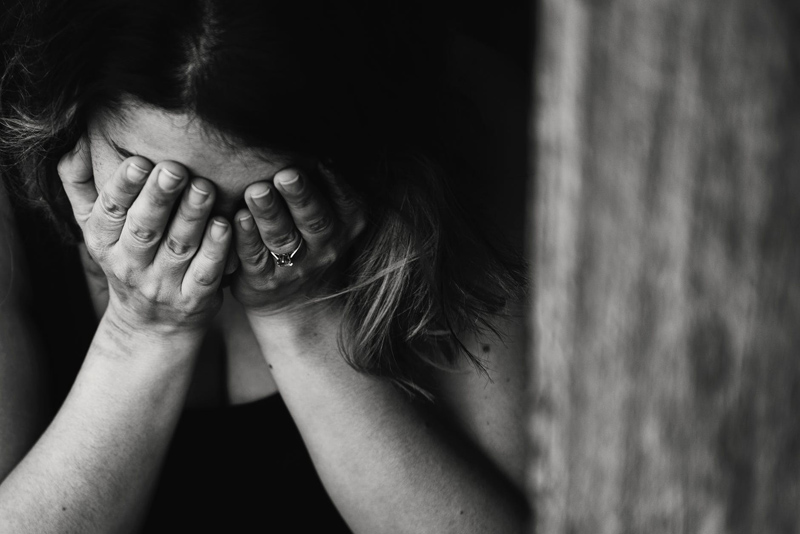
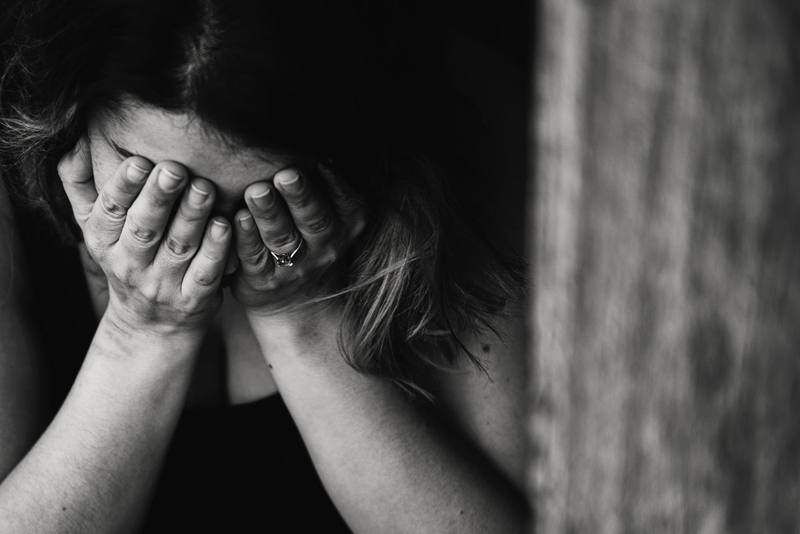
When a child is a victim of verbal abuse it is difficult to identify because the abuse itself is essentially invisible. Verbal abuse does not leave scars, bruises, or broken bones, yet one should never underestimate the damage that is occurring internally.Simply because one cannot see, the damage that is occurring internally does not mean that the child’s spirit, self-esteem, and soul, is not hurting.
Types of verbal abuse include yelling, belittling, name-calling, degrading and demeaning, amongst so many more possibilities. The effects of verbal abuse on a child depends greatly on two factors. The first one depends on how young the child is when the verbal abuse begins. The second is how frequently a child experiences verbal abuse. The younger a child is when verbal abuse begins the greater the effect on the child’s spirit and emotional well-being.
Adults tell children early on that, “Sticks and stones may break my bones but words can never hurt me.” Perhaps, this is because with life experience it becomes easier to ignore hurtful words. However, this mantra told to children around the world is false. Words do hurt children and words can lead to low self-esteem, depression, anger, aggression, self-harming behaviors and even self-medicating through drugs and or alcohol to diminish the pain of verbal child abuse.
Parents may not understand they are being verbally abusive to their child, especially if he or she grew up with parents who verbally abused and belittled them. Verbal abuse, like any abuse occurs in a vicious cycle. That cycle will continue until an adult recognizes that he or she received verbal abuse during their childhood and upon that realization makes a decision to stop the abuse cycle.
The best way to stop the vicious cycle of child abuse is to seek the professional help of a qualified therapist who can help the adults understand exactly what constitutes verbal abuse. It is important to understand the difference between verbal abuse and effective verbal parenting. Once one understands what triggers the verbal abuse, he or she can learn how respond appropriately to a child or children. Which means what fuels the cycle versus what can break the cycle.
The effects of verbal child abuse can be devastating, depending on how the child learns to cope with the abuse. Once a parent recognizes verbal abuse has occurred it is imperative both the adult and the child enter into therapy to understand what happened and to learn how to stop the cycle for the next generation. Otherwise, the cycle will continue cycling from one generation to next generation.
If you suspect verbal child abuse is occurring in your family contact the Childhelp National Child Abuse Hotline 1-800-4-A-CHILD (1-800-422-4453) crisis counselors are available 24 hours a day to listen, offer support, provide information available in your community, including referrals to professionals.
Types of verbal abuse include yelling, belittling, name-calling, degrading and demeaning, amongst so many more possibilities. The effects of verbal abuse on a child depends greatly on two factors. The first one depends on how young the child is when the verbal abuse begins. The second is how frequently a child experiences verbal abuse. The younger a child is when verbal abuse begins the greater the effect on the child’s spirit and emotional well-being.
Adults tell children early on that, “Sticks and stones may break my bones but words can never hurt me.” Perhaps, this is because with life experience it becomes easier to ignore hurtful words. However, this mantra told to children around the world is false. Words do hurt children and words can lead to low self-esteem, depression, anger, aggression, self-harming behaviors and even self-medicating through drugs and or alcohol to diminish the pain of verbal child abuse.
Parents may not understand they are being verbally abusive to their child, especially if he or she grew up with parents who verbally abused and belittled them. Verbal abuse, like any abuse occurs in a vicious cycle. That cycle will continue until an adult recognizes that he or she received verbal abuse during their childhood and upon that realization makes a decision to stop the abuse cycle.
The best way to stop the vicious cycle of child abuse is to seek the professional help of a qualified therapist who can help the adults understand exactly what constitutes verbal abuse. It is important to understand the difference between verbal abuse and effective verbal parenting. Once one understands what triggers the verbal abuse, he or she can learn how respond appropriately to a child or children. Which means what fuels the cycle versus what can break the cycle.
The effects of verbal child abuse can be devastating, depending on how the child learns to cope with the abuse. Once a parent recognizes verbal abuse has occurred it is imperative both the adult and the child enter into therapy to understand what happened and to learn how to stop the cycle for the next generation. Otherwise, the cycle will continue cycling from one generation to next generation.
If you suspect verbal child abuse is occurring in your family contact the Childhelp National Child Abuse Hotline 1-800-4-A-CHILD (1-800-422-4453) crisis counselors are available 24 hours a day to listen, offer support, provide information available in your community, including referrals to professionals.

Related Articles
Editor's Picks Articles
Top Ten Articles
Previous Features
Site Map
Content copyright © 2023 by Erika Lyn Smith. All rights reserved.
This content was written by Erika Lyn Smith. If you wish to use this content in any manner, you need written permission. Contact Erika Lyn Smith for details.