Ch de Pizay, Morgon, France
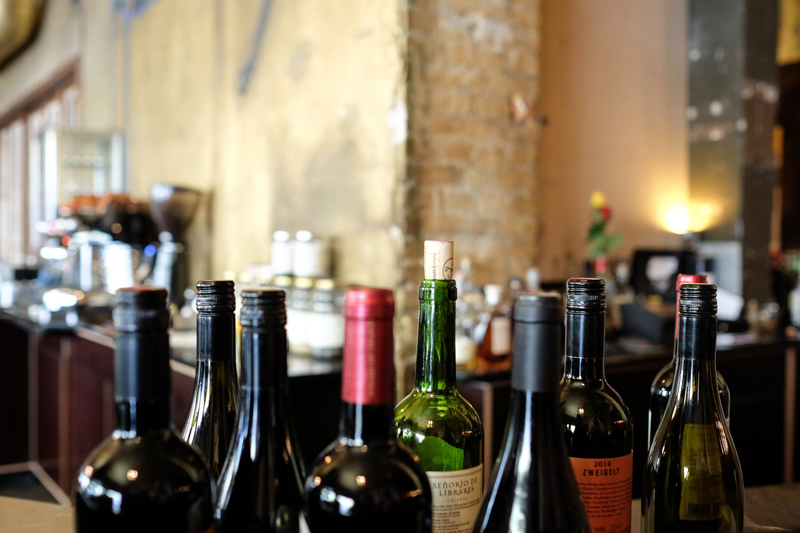
There was a collective sigh of wonder when our coach turned onto the tree-lined access road to Chateau de Pizay. The chateau, more a grand house than castle, is magnificent with square roof towers at each corner of its main tower and a formal garden to one side.
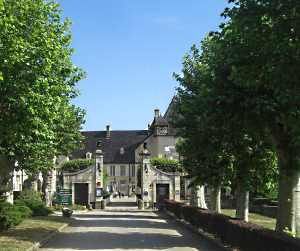
The chateau is in the Morgon area of Beaujolais, which is south of Burgundy and 50km north of Lyon, France.
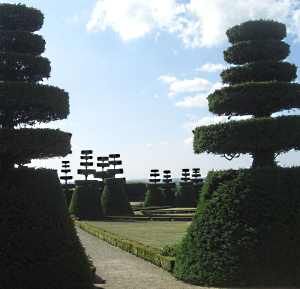
First mention of the property was in 1030, but the current buildings date from between the 11th and 15th centuries. The garden, styled on Versailles was added in the 18th Century and has mature yew trees intricately carved to look like giant chess pieces.
But our coach of wine enthusiasts had come for the produce of vineyards that surround the chateau in all directions.
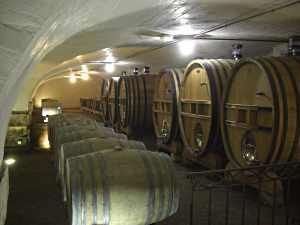
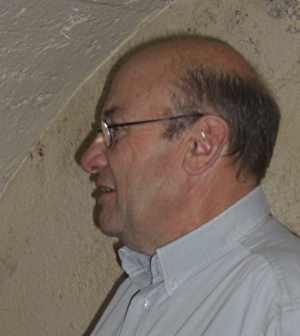
We were shown to large vaulted cellars where managing director and winemaker Pascal Dufaitre (seen below) poured glasses of Ch de Pizay Beaujolais Blanc 2012, a fat dry full bodied white wine made from Chardonnay, of which one-third has been barrel-aged. These vines were grown on granitic soils it was less acidic than Burgundy.
The estate was bought by a mutual society in 1981. There are 100ha of fields surrounding the chateau, half of which are planted with vines. Additional vineyards in nearby Regnie (5 ha) and Brouilly (14ha) were bought in 1988. Although all the red wine of Beaujolais are made from the single variety Gamay, its ten named areas* (known as ‘cru’s) are surprisingly distinct.
Darkly coloured Ch de Pizay Regnie 2013 had ripe cherry flavours and was delicious. The vineyard is planted on poor sandy soil.
Château de Saint-Lager Brouilly 2013 comes from 14ha planted on the eastern side of the volcanic hill of Brouilly. It had an inky colour and I found it grainy with less flavour than the Regnie. Pascal explained deeper soil there gives more tannins.
Ch de Pizay ‘Cuvee du Pye’ Morgon 2011. Powerful and tangy, this had spent 12 months in large barrels (six times larger than normal) ‘to open the wine’. The wine was still tight and Pascal said it needed five more years in bottle to show at its best.
Chateau de Pizay makes more wines, including a sparkler, but our tasting had come to an end and our organiser was keen to get us to our next winery. However we grabbed enough time to visit the gardens, the chapel and admire the buildings. While we were doing so, our many boxes of Ch de Pizay wine were being loaded into the coach.
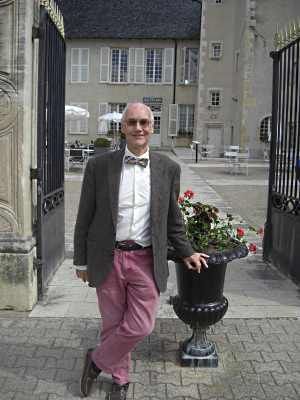
Peter F May at the entrance the Ch de Pizay
The Chateau houses a luxury hotel,, spa and gourmet restaurant as well as the winery. Winery visits and tastings should be booked in advance. www.chateau-pizay.com
* The ten crus are, in alphabetical order,
1. Brouilly
2. Chénas
3. Chiroubles
4. Côte de Brouilly
5. Fleurie
6. Juliénas
7. Morgon
8. Moulin-à-Vent
9. Régnié
10. Saint-Amour
Talk about wine on our forum.
Peter F May is the author of Marilyn Merlot and the Naked Grape: Odd Wines from Around the World which features more than 100 wine labels and the stories behind them, and PINOTAGE: Behind the Legends of South Africa’s Own Wine which tells the story behind the Pinotage wine and grape.
Disclosure - Peter F May paid in full for his visit, tasting and all the wines he brought home.
The chateau is in the Morgon area of Beaujolais, which is south of Burgundy and 50km north of Lyon, France.
First mention of the property was in 1030, but the current buildings date from between the 11th and 15th centuries. The garden, styled on Versailles was added in the 18th Century and has mature yew trees intricately carved to look like giant chess pieces.
But our coach of wine enthusiasts had come for the produce of vineyards that surround the chateau in all directions.
We were shown to large vaulted cellars where managing director and winemaker Pascal Dufaitre (seen below) poured glasses of Ch de Pizay Beaujolais Blanc 2012, a fat dry full bodied white wine made from Chardonnay, of which one-third has been barrel-aged. These vines were grown on granitic soils it was less acidic than Burgundy.
The estate was bought by a mutual society in 1981. There are 100ha of fields surrounding the chateau, half of which are planted with vines. Additional vineyards in nearby Regnie (5 ha) and Brouilly (14ha) were bought in 1988. Although all the red wine of Beaujolais are made from the single variety Gamay, its ten named areas* (known as ‘cru’s) are surprisingly distinct.
Darkly coloured Ch de Pizay Regnie 2013 had ripe cherry flavours and was delicious. The vineyard is planted on poor sandy soil.
Château de Saint-Lager Brouilly 2013 comes from 14ha planted on the eastern side of the volcanic hill of Brouilly. It had an inky colour and I found it grainy with less flavour than the Regnie. Pascal explained deeper soil there gives more tannins.
Ch de Pizay ‘Cuvee du Pye’ Morgon 2011. Powerful and tangy, this had spent 12 months in large barrels (six times larger than normal) ‘to open the wine’. The wine was still tight and Pascal said it needed five more years in bottle to show at its best.
Chateau de Pizay makes more wines, including a sparkler, but our tasting had come to an end and our organiser was keen to get us to our next winery. However we grabbed enough time to visit the gardens, the chapel and admire the buildings. While we were doing so, our many boxes of Ch de Pizay wine were being loaded into the coach.
Peter F May at the entrance the Ch de Pizay
The Chateau houses a luxury hotel,, spa and gourmet restaurant as well as the winery. Winery visits and tastings should be booked in advance. www.chateau-pizay.com
* The ten crus are, in alphabetical order,
1. Brouilly
2. Chénas
3. Chiroubles
4. Côte de Brouilly
5. Fleurie
6. Juliénas
7. Morgon
8. Moulin-à-Vent
9. Régnié
10. Saint-Amour
Talk about wine on our forum.
Peter F May is the author of Marilyn Merlot and the Naked Grape: Odd Wines from Around the World
which features more than 100 wine labels and the stories behind them, and PINOTAGE: Behind the Legends of South Africa’s Own Wine which tells the story behind the Pinotage wine and grape. Disclosure - Peter F May paid in full for his visit, tasting and all the wines he brought home.
You Should Also Read:
Domaine de la Madone, Fleurie, Beaujolais

Related Articles
Editor's Picks Articles
Top Ten Articles
Previous Features
Site Map
Content copyright © 2023 by Peter F May. All rights reserved.
This content was written by Peter F May. If you wish to use this content in any manner, you need written permission. Contact Peter F May for details.