Why Create a Costume Design Sketchbook

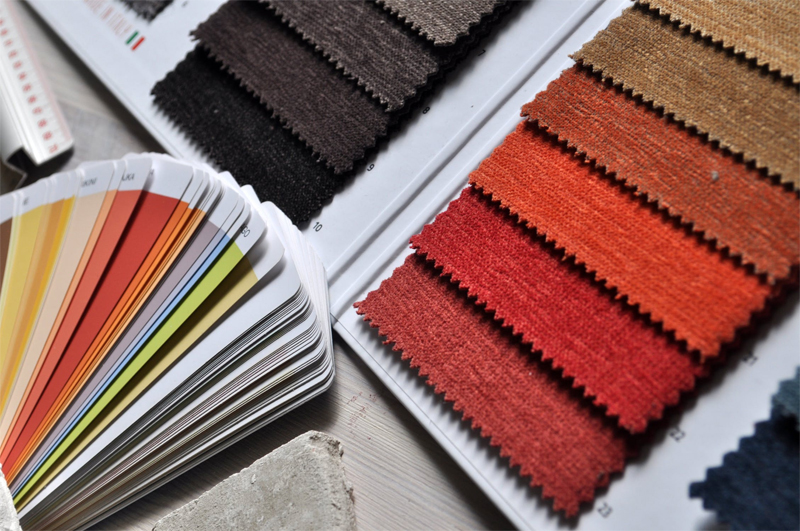
Creating and filling a costume design sketchbook is one of the most enjoyable things you can do. As well as keeping a running record of your creations it can double as a journaling sketchbook. You can carry it with you to record your ideas on a whim. The purpose of having a sketchbook is to gather ideas all in one place such as your body measurements, research, collated images, mood boards, toils, colors, textiles, textures, fabric swatches, snaps, buttons, and what ever else you may want to include. Also, if your mind is overflowing with unplanned projects having them all in one place gives you a starting point to get them planned.
The sketchbook could have blank pages or pages filled with croquis which are outlines of the human figure. The croquis are generally made of dotted lines or faint grey lines so that you don’t take away from the sketch of the garment. One of the advantages of having a croquis is that you don’t have to worry about drawing a properly proportional figure.
Drafting your design in your sketchbook will give you a place to test your seam lines, necklines, hemlines, and other details. Sketching in your book can help you answer questions you may have about your garment. Questions about alterations, fabric or print placement, the proportions of the garment, and any changes you will need to make to the sewing pattern. This information is invaluable for the future especially if you want to make it again. This book becomes a living record like a sewing diary to keep you from making mistakes and to keep you on the right track.
You don’t have to buy a designer’s sketchbook. You can easily make one. If you want to have the croquis then look for one on the internet and print a few up. Grab a three-ring binder and start there. If your feeling adventurous then research how to make a journal for beginners. It is easier than you think, and you can design it the way you want to. A personal touch is always nice.
A costume design sketchbook is worth its weight in gold to the creative person using it. It is worth your time to put some thought into it. Find or make the one you want and start filling it in with all your wonderful creative ideas and start designing.
The sketchbook could have blank pages or pages filled with croquis which are outlines of the human figure. The croquis are generally made of dotted lines or faint grey lines so that you don’t take away from the sketch of the garment. One of the advantages of having a croquis is that you don’t have to worry about drawing a properly proportional figure.
Drafting your design in your sketchbook will give you a place to test your seam lines, necklines, hemlines, and other details. Sketching in your book can help you answer questions you may have about your garment. Questions about alterations, fabric or print placement, the proportions of the garment, and any changes you will need to make to the sewing pattern. This information is invaluable for the future especially if you want to make it again. This book becomes a living record like a sewing diary to keep you from making mistakes and to keep you on the right track.
You don’t have to buy a designer’s sketchbook. You can easily make one. If you want to have the croquis then look for one on the internet and print a few up. Grab a three-ring binder and start there. If your feeling adventurous then research how to make a journal for beginners. It is easier than you think, and you can design it the way you want to. A personal touch is always nice.
A costume design sketchbook is worth its weight in gold to the creative person using it. It is worth your time to put some thought into it. Find or make the one you want and start filling it in with all your wonderful creative ideas and start designing.

Related Articles
Editor's Picks Articles
Top Ten Articles
Previous Features
Site Map
Content copyright © 2023 by Brandi Ford. All rights reserved.
This content was written by Brandi Ford. If you wish to use this content in any manner, you need written permission. Contact Brandi Ford for details.