Port
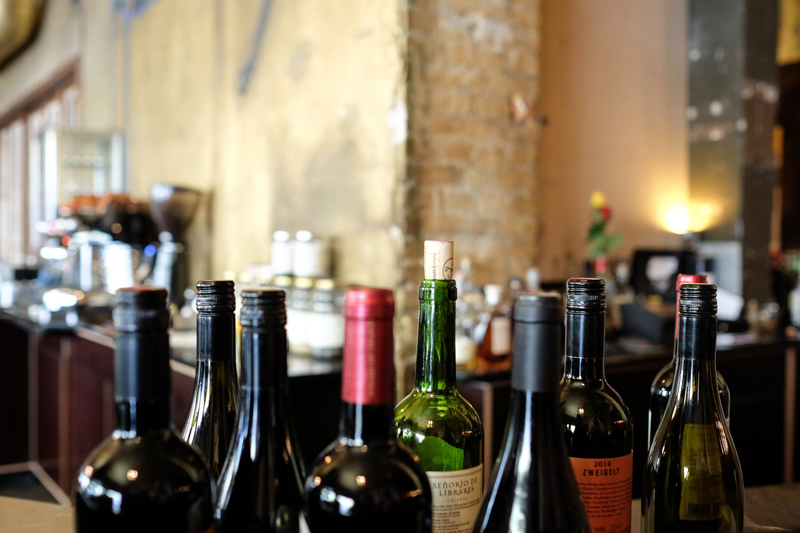
Port is a fortified wine that originates from the Douro River in Portugal. It is a wine that came about largely as a result of international conflict, ancient alliances and the canniness of wine merchants, and bacame wildly popular and emulated in the new world. Indeed, it’s because the word port became so widely used for any fortified wine that the real thing, i.e. Port made in Portugal is branded as Porto or Oporto in the USA.
The land along the Douro River doesn’t seem a likely home for a world famous wine. It is steeply hilly, vines clutch to narrow terraces carved from the high steep banks of the Douro. The region was, until recent funding from the EU built modern roads, remote. But the river was the method of transport; sailing boats took barrels of wine downriver to the town of Oporto by the sea. There the wine would be matured and shipped worldwide.
Britain’s natural source of wine is nearby France but over centuries the two countries had fought each other physically and in trade wars. It was during one such period that British wine merchants, unable to supply customers with their usual French wines, looked for an alternative. The kingdom of Portugal is Britain’s oldest ally, and Portuguese wines had been imported in a small way for generations. But they were frequently considered to be rough and suitable only for peasants, and they suffered during the longer sea journey to Britain. It was in 1720 that winemakers were encouraged to add a little brandy to stabilise the wine, and shortly afterwards they discovered that adding brandy halted fermentation before all the sugar had been converted to alcohol. The resulting wine was pleasantly sweet and stood up to the rigours of transportation. By 1775, with the development of bottles shaped as they are today, the wine would not only survive but age.
British and other northern European merchants opened warehouses in Oporto to blend and age wines from inland. They bottled and marketed their brand of Ports, which is why so many have British names such as Taylors, Sandeman Graham’s, Warre’s, Dow’s, and Cockburns.
Port comes in a number of styles. The most common are Ruby, Tawny and LBV. Ruby is the least expensive, a wine ready for immediate drinking, the name refers to its colours as does the next wine. Tawny gets its colour from being aged for at least two years in wooden barrels till it gains a nutty flavour. LBV, meaning Late Bottled Vintage, are wines produced from one years’ harvest and aged from four to six years in barrel before bottling.
As ports are fortified, meaning they have added brandy, and at 18-20% abv, are more alcoholic than ordinary table wines. Today we think of Port as an after dinner sipping drink, perhaps with a cheese course, but two hundred years ago it was drunk in quantity.
Tell us about your favourite Port on our forum.
The land along the Douro River doesn’t seem a likely home for a world famous wine. It is steeply hilly, vines clutch to narrow terraces carved from the high steep banks of the Douro. The region was, until recent funding from the EU built modern roads, remote. But the river was the method of transport; sailing boats took barrels of wine downriver to the town of Oporto by the sea. There the wine would be matured and shipped worldwide.
Britain’s natural source of wine is nearby France but over centuries the two countries had fought each other physically and in trade wars. It was during one such period that British wine merchants, unable to supply customers with their usual French wines, looked for an alternative. The kingdom of Portugal is Britain’s oldest ally, and Portuguese wines had been imported in a small way for generations. But they were frequently considered to be rough and suitable only for peasants, and they suffered during the longer sea journey to Britain. It was in 1720 that winemakers were encouraged to add a little brandy to stabilise the wine, and shortly afterwards they discovered that adding brandy halted fermentation before all the sugar had been converted to alcohol. The resulting wine was pleasantly sweet and stood up to the rigours of transportation. By 1775, with the development of bottles shaped as they are today, the wine would not only survive but age.
British and other northern European merchants opened warehouses in Oporto to blend and age wines from inland. They bottled and marketed their brand of Ports, which is why so many have British names such as Taylors, Sandeman Graham’s, Warre’s, Dow’s, and Cockburns.
Port comes in a number of styles. The most common are Ruby, Tawny and LBV. Ruby is the least expensive, a wine ready for immediate drinking, the name refers to its colours as does the next wine. Tawny gets its colour from being aged for at least two years in wooden barrels till it gains a nutty flavour. LBV, meaning Late Bottled Vintage, are wines produced from one years’ harvest and aged from four to six years in barrel before bottling.
As ports are fortified, meaning they have added brandy, and at 18-20% abv, are more alcoholic than ordinary table wines. Today we think of Port as an after dinner sipping drink, perhaps with a cheese course, but two hundred years ago it was drunk in quantity.
Tell us about your favourite Port on our forum.
Peter F May is the author of Marilyn Merlot and the Naked Grape: Odd Wines from Around the World which features more than 100 wine labels and the stories behind them, and PINOTAGE: Behind the Legends of South Africa’s Own Wine which tells the story behind the Pinotage wine and grape, also available for the Kindle, Nook and iPad. |

Related Articles
Editor's Picks Articles
Top Ten Articles
Previous Features
Site Map
Content copyright © 2023 by Peter F May. All rights reserved.
This content was written by Peter F May. If you wish to use this content in any manner, you need written permission. Contact Peter F May for details.