

Stained Glass Hearts
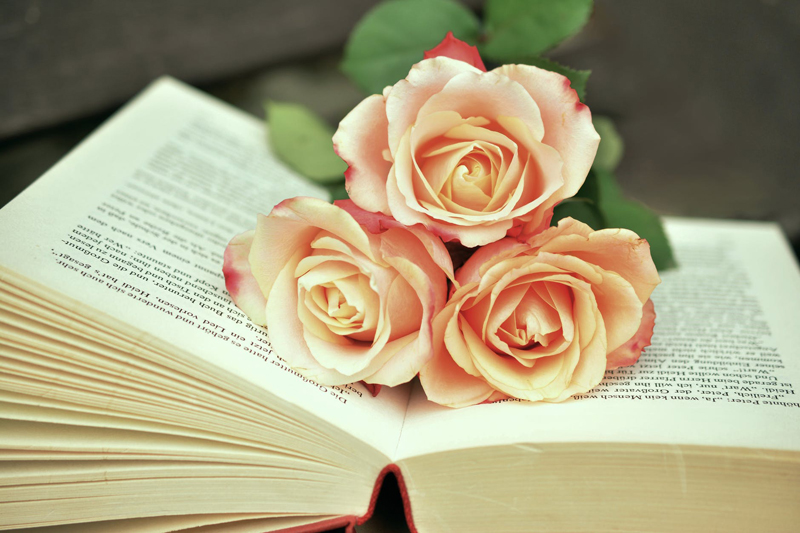
Rainy days spent with a cup of tea and a good book are refreshing. Not to be rushed, they are a time for relaxing and recharging. Whether you are in a place in your life that you can enjoy it or whether it is a time spent from your past, we are all familiar with the luxurious feeling of being able to curl up under the covers and not be bothered by the cares of our normal day to day existence. Imagine finding an introspective book that fondly provides the same experience.
Famed author and Women of Faith speaker, Patsy Clairmont, has graciously provided the reader with a pensive tome aimed at seeing God in the broken. In Stained Glass Hearts: Seeing Life from a Broken Perspective, Clairmont provides snippets from her own life. Normally, a very upbeat and comedic author, Clairmont’s departure to a different style is refreshing. Complete with her thoughts on various events and subjects in her life, she takes the reader on a guided tour of poetry, music and the arts. In so doing, she allows the reader to see a different side of her. You will be able to connect with her thought process and feelings in a way most authors never allow.
While Stained Glass Hearts can be read as any other book, it is meant to be savored. You will truly miss out on what Clairmont means to be a beautiful and meaningful experience if you do not take the time to read Stained Glass Hearts as she intended. Each chapter includes scriptural references to look-up, music selections to find on YouTube.com, and art work to research. It is also well worth the time and money to order some of the books that she recommends.
Beautifully written, Stained Glass Hearts provides an education in liberal arts while uplifting the reader. It is one of my picks for best book of the year and will be in the stockings of several friends this Christmas.
This book is available from online retailers such as www.amazon.com
Disclaimer: This book was provided by publisher for review in exchange for a fair assessment. Compensation was not exchanged.
Famed author and Women of Faith speaker, Patsy Clairmont, has graciously provided the reader with a pensive tome aimed at seeing God in the broken. In Stained Glass Hearts: Seeing Life from a Broken Perspective, Clairmont provides snippets from her own life. Normally, a very upbeat and comedic author, Clairmont’s departure to a different style is refreshing. Complete with her thoughts on various events and subjects in her life, she takes the reader on a guided tour of poetry, music and the arts. In so doing, she allows the reader to see a different side of her. You will be able to connect with her thought process and feelings in a way most authors never allow.
While Stained Glass Hearts can be read as any other book, it is meant to be savored. You will truly miss out on what Clairmont means to be a beautiful and meaningful experience if you do not take the time to read Stained Glass Hearts as she intended. Each chapter includes scriptural references to look-up, music selections to find on YouTube.com, and art work to research. It is also well worth the time and money to order some of the books that she recommends.
Beautifully written, Stained Glass Hearts provides an education in liberal arts while uplifting the reader. It is one of my picks for best book of the year and will be in the stockings of several friends this Christmas.
This book is available from online retailers such as www.amazon.com
Disclaimer: This book was provided by publisher for review in exchange for a fair assessment. Compensation was not exchanged.

Related Articles
Editor's Picks Articles
Top Ten Articles
Previous Features
Site Map
Content copyright © 2023 by Lyn Sedmina. All rights reserved.
This content was written by Lyn Sedmina. If you wish to use this content in any manner, you need written permission. Contact Lyn Sedmina for details.
