Winemaking - An Introduction To Yeast
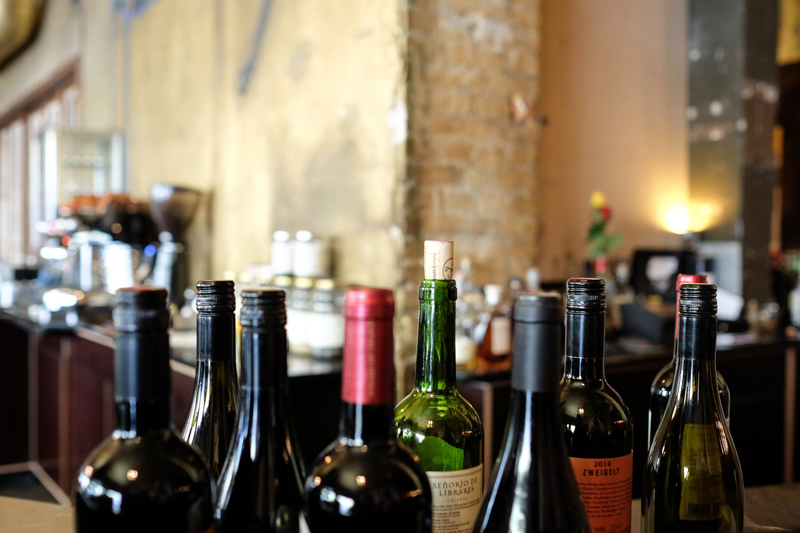
Creating wine is a complicated art. There are many factors that go into creating a great bottle of wine. One of the major contributors to the process is yeast.
Many people dream of owning a vineyard or want to dabble at making their own wine at home. The process can seem overwhelming and complicated. There are a few basic principles that every winemaker must know. One of the scientific processes first utilized by man and intregal to winemaking is how yeast converts sugar and water to alcohol.
Yest best grows in a solution of 22% sugar. Winemakers ensures that this is provided either naturally or by adding sugar to the fruit pulp. Yeast also needs minerals, nitrogenous compounds, and B vitamins for good health. If these are lacking in the fruit the winemaker can add a yeast nutrient. Yeast best grows in temperatures of 60F-80F.
There are hundreds of strains of yeast and only a few of these can produce alcohol while allowing the pleasant flavors of the fruit to shine through. Anyone who has bad, yeasty tasting wine has experienced this. Until the 19th century winemakers counted on these wild, airborne yeast to begin the fermentation process. This lottery method of fermentation created wonderful wines, wines that turned to vinegar, and wines that did not ferment at all.
Today winemakers leave little to chance. Strains of yeast are bred specifically for winemaking. The proper type of yeast is carefully introduced to the fruitpulp. Yet, the airborne yeast bacteria lurks around like a playground bully, ready to take over and ruin the wine. Winemakers must be careful that any utensils and equipment must be cleaned and sanitized before use and wine containers are covered and sealed.
Ironically, yeast is destroyed by the environment it creates. Yeast produces alcohol, but cannot live in alcohol beyond a certain point. When the wine reaches a 10-19% concentration of alcohol the yeast halts the fermentation process. After this point the winemaker filters the wine to remove sdiment and places it in barrels or large containers to age.
While fermentation is only part of the winemaking process, it is elemental to the production of quality wine.
You Should Also Read:
Homemade Wine
Drinking Wine
Wine Grapes

Related Articles
Editor's Picks Articles
Top Ten Articles
Previous Features
Site Map
Content copyright © 2023 by Paula S.W. Laurita. All rights reserved.
This content was written by Paula S.W. Laurita. If you wish to use this content in any manner, you need written permission. Contact Peter F May for details.